THE ADVENTURE COLLECTIVE® · Independent discovery and booking for outdoor travel

Float to Bled’s island by traditional pletna, climb the church’s 99 steps, and visit a cliff-top medieval castle — all on a half-day trip from Ljubljana. This tour pairs easy walking with iconic views and local culture.
Float to Bled’s island by traditional pletna, climb the church’s 99 steps, and visit a cliff-top medieval castle — all on a half-day trip from Ljubljana. This tour pairs easy walking with iconic views and local culture.
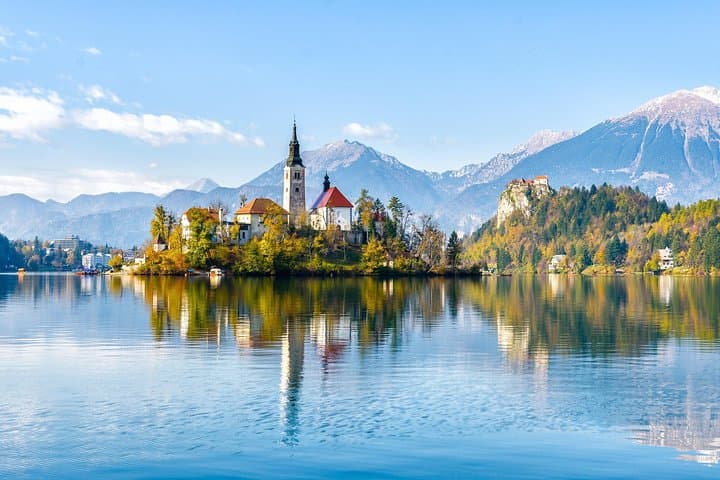
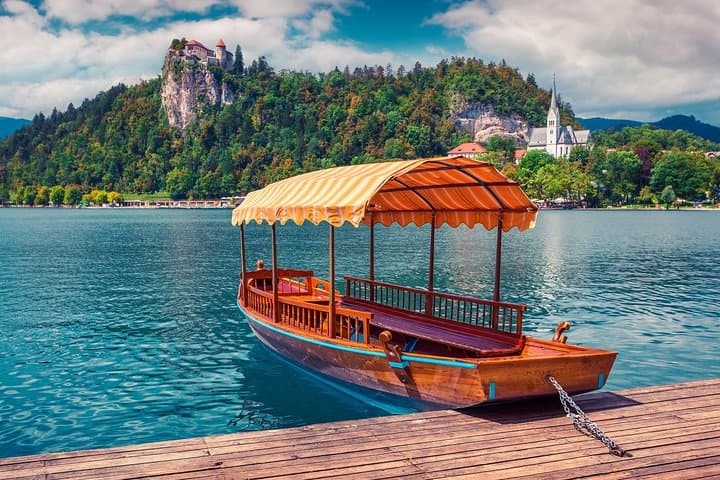
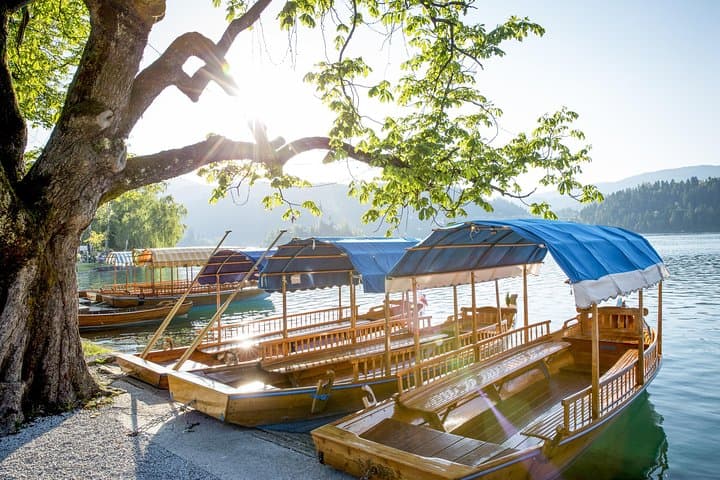
The morning light on Lake Bled cuts across the water like a held breath — a small island rises in the center, crowned by a white church whose bell seems to mark the day's pace. From Ljubljana the drive slips into the Karavanke foothills and deposits you at a shoreline where the air smells of pine and cold water. A local guide steers you through narrow streets toward the stone quay where a pletna boat waits; the boatman’s rhythmic stroke becomes the steady engine of the experience.
Verified experiences and guided adventures in the surrounding area.
Operated by To do in Slovenia · Bled, Upper Carniola
The morning light on Lake Bled cuts across the water like a held breath — a small island rises in the center, crowned by a white church whose bell seems to mark the day's pace. From Ljubljana the drive slips into the Karavanke foothills and deposits you at a shoreline where the air smells of pine and cold water. A local guide steers you through narrow streets toward the stone quay where a pletna boat waits; the boatman’s rhythmic stroke becomes the steady engine of the experience.
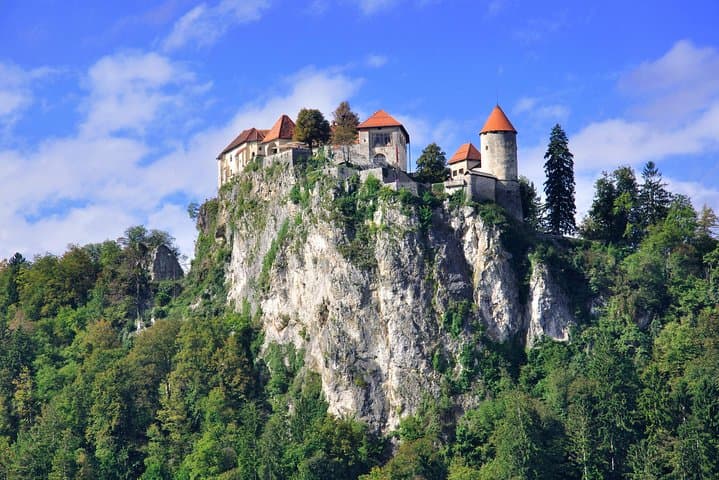
Geology here is glacial: the lake sits at roughly 475 m above sea level in a basin carved by ice and fed by mountain springs. Bled Castle perches on a cliff about 130 m above the lake, its medieval walls tracing routes of trade and defense from the 11th century onward. Culture in Bled mixes Alpine traditions and Slovenian hospitality — listen for local stories about the island’s 99 steps and the Pletna boatmen, whose craft and technique are passed down through generations.
Expect 5–6 hours for a standard half-day: a guided loop of the lake (roughly 6 km around the shore if you walk), a pletna crossing, time on the island, and a stop at the castle with cobbled courtyards and a small museum. Terrain is mostly paved promenades and short stair sections; bring solid shoes for paths and steps. Summer invites a quick swim; winter may limit boat crossings and shorten daylight.
Practical tips: book a morning slot to avoid crowds, carry a light waterproof layer, and budget for castle entrance fees and optional rowing or pastry stops on arrival.
moderate.
5–6 hours.
Light to moderate fitness: able to walk up short flights of stairs and stand during boat crossing.
This tour includes a traditional pletna boat crossing to the island as described, though exact inclusions can vary by operator; confirm at booking.
Castle entrance is typically not included in base tour prices; expect a separate ticket to visit museum rooms and terraces.
The operator lists wheelchair accessibility, but access on the island and castle involves steps—check specific needs with the local contact before booking.
In summer, public swimming areas exist and some itineraries allow brief swims; bring swimwear and confirm timing with your guide.
Bled has been a human crossroads since the medieval period; the castle—one of Slovenia’s oldest—overlooks routes that linked alpine traders and later became a tourist magnet in the 19th century.
Lake Bled’s popularity requires careful visitor practices: stay on marked paths, avoid littering or feeding wildlife, and respect seasonal restrictions on boats and swimming to protect water quality.
To do in Slovenia operates guided outdoor trips and adventures with an emphasis on safety, stewardship, and memorable experiences.
The morning light on Lake Bled cuts across the water like a held breath — a small island rises in the center, crowned by a white church whose bell seems to mark the day's pace. From Ljubljana the drive slips into the Karavanke foothills and deposits you at a shoreline where the air smells of pine and cold water. A local guide steers you through narrow streets toward the stone quay where a pletna boat waits; the boatman’s rhythmic stroke becomes the steady engine of the experience.
The morning light on Lake Bled cuts across the water like a held breath — a small island rises in the center, crowned by a white church whose bell seems to mark the day's pace. From Ljubljana the drive slips into the Karavanke foothills and deposits you at a shoreline where the air smells of pine and cold water. A local guide steers you through narrow streets toward the stone quay where a pletna boat waits; the boatman’s rhythmic stroke becomes the steady engine of the experience.
Geology here is glacial: the lake sits at roughly 475 m above sea level in a basin carved by ice and fed by mountain springs. Bled Castle perches on a cliff about 130 m above the lake, its medieval walls tracing routes of trade and defense from the 11th century onward. Culture in Bled mixes Alpine traditions and Slovenian hospitality — listen for local stories about the island’s 99 steps and the Pletna boatmen, whose craft and technique are passed down through generations.
Expect 5–6 hours for a standard half-day: a guided loop of the lake (roughly 6 km around the shore if you walk), a pletna crossing, time on the island, and a stop at the castle with cobbled courtyards and a small museum. Terrain is mostly paved promenades and short stair sections; bring solid shoes for paths and steps. Summer invites a quick swim; winter may limit boat crossings and shorten daylight.
Practical tips: book a morning slot to avoid crowds, carry a light waterproof layer, and budget for castle entrance fees and optional rowing or pastry stops on arrival.