
Lake 69 Camping & Llanganuco Lakes: 2-Day Huascaran National Park Trek
Camp at high altitude and hike to Laguna 69’s vivid turquoise waters, then follow Llanganuco’s twin lakes beneath Huascarán’s peaks. This two-day private trek pairs a steep alpine approach with a calmer valley walk—perfect for travelers who want wilderness without rushing.
An Adventure In Huaraz.
Camp at high altitude and hike to Laguna 69’s vivid turquoise waters, then follow Llanganuco’s twin lakes beneath Huascarán’s peaks. This two-day private trek pairs a steep alpine approach with a calmer valley walk—perfect for travelers who want wilderness without rushing.
Read the full experience
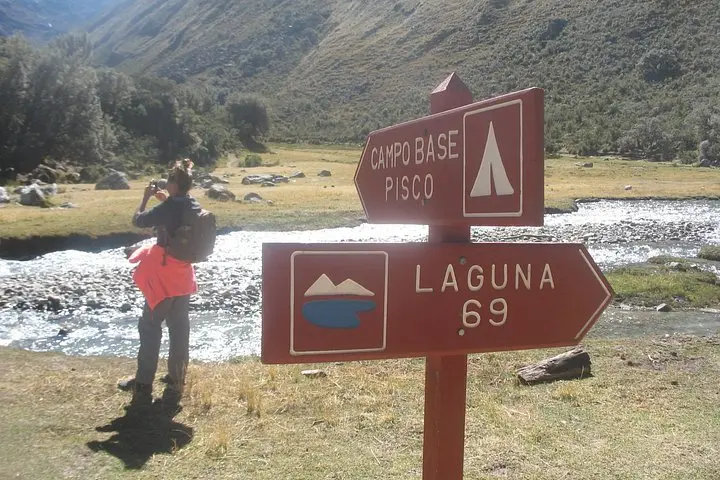
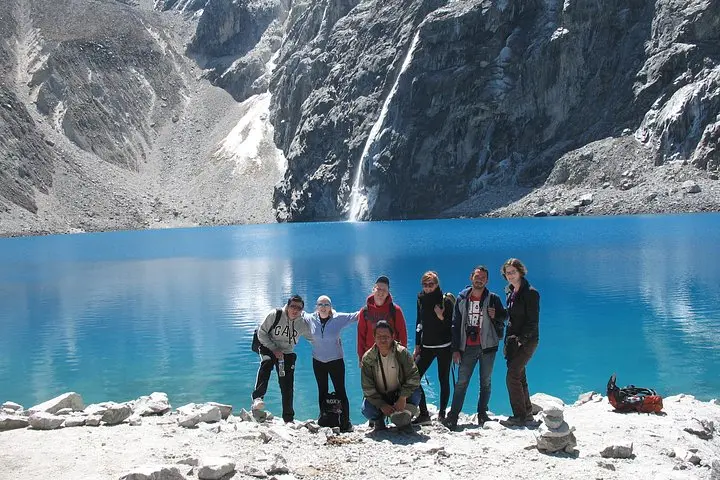
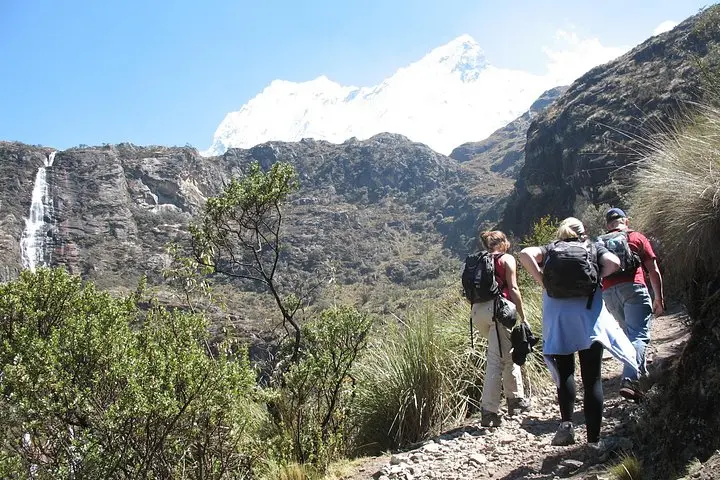
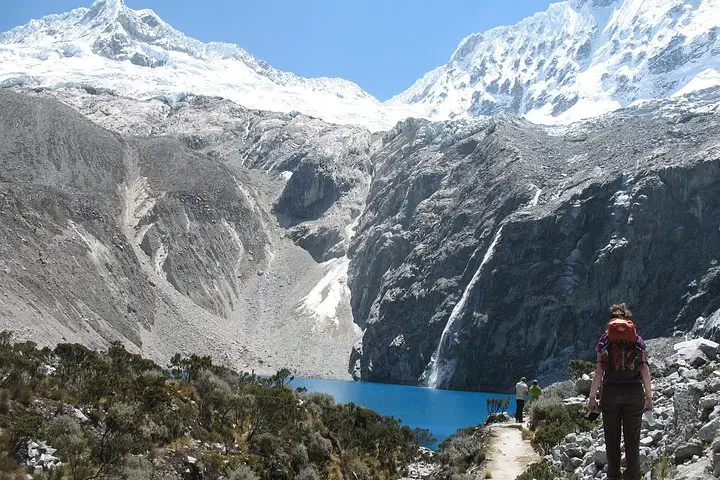
You climb out of the predawn dark and the bus drops you at Cebollapampa; the air is thin enough to make each breath count and the ridge ahead already brightens with cold light. By midmorning the valley opens: the trail threads past rock fields, braided streams and stands of high Andean grass, and then, abruptly, the water of Laguna 69 appears—a sharp turquoise bowl held by cliffs.
You climb out of the predawn dark and the bus drops you at Cebollapampa; the air is thin enough to make each breath count and the ridge ahead already brightens with cold light. By midmorning the valley opens: the trail threads past rock fields, braided streams and stands of high Andean grass, and then, abruptly, the water of Laguna 69 appears—a sharp turquoise bowl held by cliffs.
This two-day route threads two of the Cordillera Blanca's most recognizable settings. Laguna 69 sits beneath glaciers carved by Pleistocene ice; the brilliant blue is a product of suspended glacial minerals and steep bedrock runoff. Day one is straightforward but high: a 5 km ascent (≈3 hours) to the lake and a short return to a 4,200 m campsite at Yuraccorral. Day two walks the gentler Llanganuco valley—two linked lakes carved by ice and dominated by Huascarán’s flanks—before descending to Yungay and back to Huaraz.
Locals speak Quechua alongside Spanish; the towns reveal mining, farming, and the hard history of the 1970s avalanche that reshaped the valley. Respect park rules, carry out waste, and keep a safe distance from fragile shorelines.
Practical notes: altitude is the main challenge—acclimatize in Huaraz for at least 24–48 hours. Expect rocky, sometimes muddy trail and large temperature swings between day and night. Bring layered insulation, sun protection, and a warm sleeping bag rated to at least -5°C. Start early on summit days to avoid afternoon weather, and drink often to blunt altitude effects.
Frequently asked questions
Entrance tickets are required at the park control; operator arranges them but you must present passports at the gate.
The tour includes two‑person sleeping tents; check if you need to bring a personal sleeping bag or pad if not listed as provided.
Campsite and trail sit around 4,200 m; acclimatize in Huaraz, hydrate, sleep low, and consider medication for altitude if you have prior issues.
The dry season (May–September) offers the most stable weather and clear views, reducing chance of rain and trail mud.
About This Experience
First Class Huaraz operates guided outdoor trips and adventures with an emphasis on safety, stewardship, and memorable experiences.
Adventure tips
Recommended gear
- Insulated sleeping bag (to -5°C or lower): Provides warmth for high‑altitude nights at the Yuraccorral campsite.
- Sturdy hiking boots (waterproof): Supports ankles on rocky approaches and keeps feet dry during wet trail sections.
- Layered clothing system (base/mid/shell): Allows quick adaptation to sun, wind and cold at 4,000+ meters.
- Sun protection and sunglasses (UV rated): High‑altitude sun is intense; protection prevents burns and snow/glacial glare issues.
Photos of the experience
Related adventures & guides
Read the full experience
You climb out of the predawn dark and the bus drops you at Cebollapampa; the air is thin enough to make each breath count and the ridge ahead already brightens with cold light. By midmorning the valley opens: the trail threads past rock fields, braided streams and stands of high Andean grass, and then, abruptly, the water of Laguna 69 appears—a sharp turquoise bowl held by cliffs.
You climb out of the predawn dark and the bus drops you at Cebollapampa; the air is thin enough to make each breath count and the ridge ahead already brightens with cold light. By midmorning the valley opens: the trail threads past rock fields, braided streams and stands of high Andean grass, and then, abruptly, the water of Laguna 69 appears—a sharp turquoise bowl held by cliffs.
This two-day route threads two of the Cordillera Blanca's most recognizable settings. Laguna 69 sits beneath glaciers carved by Pleistocene ice; the brilliant blue is a product of suspended glacial minerals and steep bedrock runoff. Day one is straightforward but high: a 5 km ascent (≈3 hours) to the lake and a short return to a 4,200 m campsite at Yuraccorral. Day two walks the gentler Llanganuco valley—two linked lakes carved by ice and dominated by Huascarán’s flanks—before descending to Yungay and back to Huaraz.
Locals speak Quechua alongside Spanish; the towns reveal mining, farming, and the hard history of the 1970s avalanche that reshaped the valley. Respect park rules, carry out waste, and keep a safe distance from fragile shorelines.
Practical notes: altitude is the main challenge—acclimatize in Huaraz for at least 24–48 hours. Expect rocky, sometimes muddy trail and large temperature swings between day and night. Bring layered insulation, sun protection, and a warm sleeping bag rated to at least -5°C. Start early on summit days to avoid afternoon weather, and drink often to blunt altitude effects.
Make a day of it nearby.
Verified experiences and guided adventures in the surrounding area.