THE ADVENTURE COLLECTIVE® · Independent discovery and booking for outdoor travel

See Lahore’s major Mughal sites and bustling markets in a single, well-paced day. This guided tour combines Lahore Fort and Wazir Khan Mosque visits with market stops and a Shalimar Gardens walk for a concentrated survey of the city’s living heritage.
See Lahore’s major Mughal sites and bustling markets in a single, well-paced day. This guided tour combines Lahore Fort and Wazir Khan Mosque visits with market stops and a Shalimar Gardens walk for a concentrated survey of the city’s living heritage.
You step out of the air-conditioned vehicle into the clamour at Delhi Gate: vendors arrange spices like paint, pigeons scatter from the walls, and streets seem to dare you to explore them.
Verified experiences and guided adventures in the surrounding area.
Operated by DoneTour · Lahore, Punjab
You step out of the air-conditioned vehicle into the clamour at Delhi Gate: vendors arrange spices like paint, pigeons scatter from the walls, and streets seem to dare you to explore them.
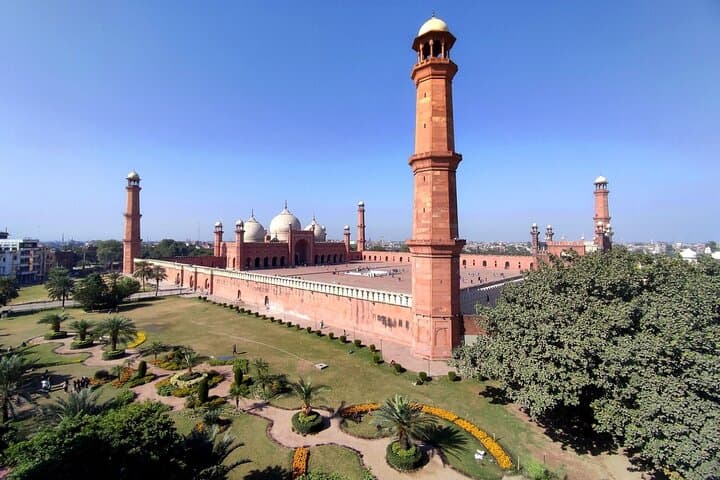
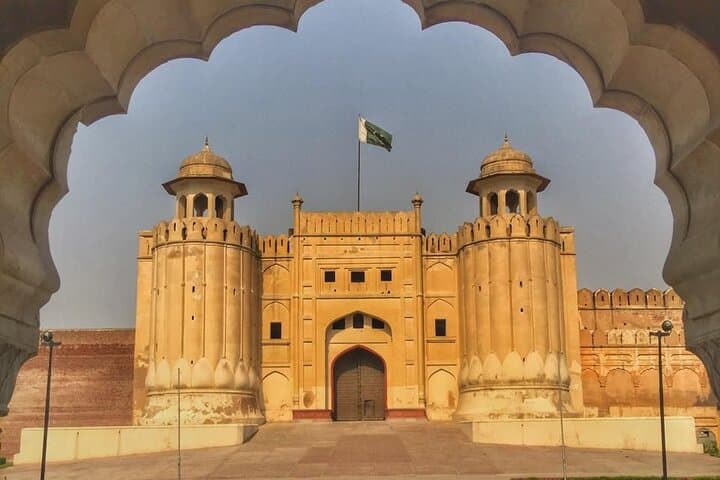
This one-day circuit threads through Lahore’s layered past—Mughal red sandstone at the Lahore Fort, the hand-painted tiles of Wazir Khan Mosque, and the formal terraces and water channels of Shalimar Gardens. The city sits on the flat alluvial plains of Punjab near the Ravi River, which shaped its fertile hinterlands and trade routes. Architecture and public life here reflect centuries of Mughal patronage followed by Sikh and British-era overlays; marketplaces still hum in Punjabi and Urdu, and Fort Road Food Street channels those culinary traditions into open-air feasts.
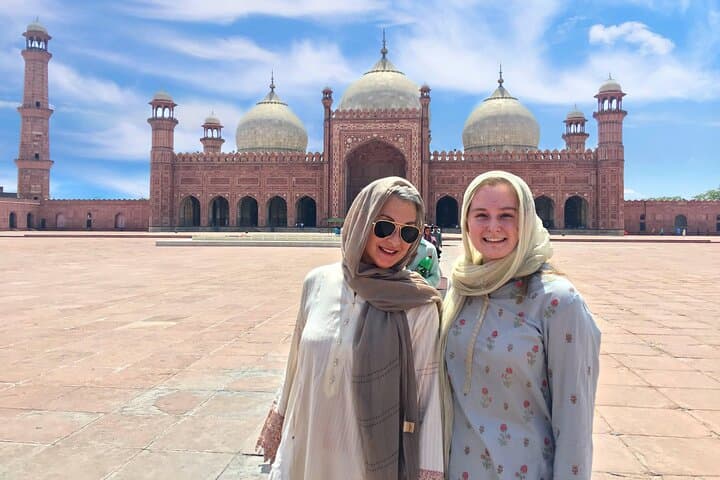
Practical pacing matters: the tour runs about 5–6 hours with short, focused stops—expect cobbled lanes, narrow alleys, and short walks between sites. Dress modestly for mosques, wear sturdy walking shoes for uneven surfaces, and plan morning visits to avoid mid-afternoon heat. Photography is welcome at most public sites but ask before shooting people inside the Walled City. The itinerary can include a rickshaw ride and a brisk stroll through Akbari Mandi; for those who want an emotional, modern coda, the Wagah border ceremony is an optional evening add-on.
Bring cash for small purchases, a refillable bottle to reduce plastic, and a curious but respectful attitude—the day balances high-impact monuments with intimate market moments, giving a practical, sensory introduction to Lahore’s living heritage.
easy.
5–6 hours.
Light to moderate—suitable for people comfortable walking several kilometers at a relaxed pace with short breaks.
Private tours typically include pickup from a central Lahore meeting point or pre-arranged hotel pickup; confirm your pickup point when booking.
This tour description lists that all entrance and admission tickets are included, but confirm specific sites at booking time.
Yes—Wagah is often available as an optional evening extension but requires extra time and sometimes separate transport arrangements.
Yes—the pace is designed for a wide range of fitness levels, with short walks and vehicle transfers between major stops.
Lahore’s core expanded under Mughal rule (16th–18th centuries), leaving major monuments like Lahore Fort and Shalimar Gardens; later Sikh and British periods added civic layers still visible today.
Restoration and UNESCO recognition have driven conservation at key sites, but visitors should minimize waste and follow site rules to protect frescoes and tile work.
DoneTour operates guided outdoor trips and adventures with an emphasis on safety, stewardship, and memorable experiences.
You step out of the air-conditioned vehicle into the clamour at Delhi Gate: vendors arrange spices like paint, pigeons scatter from the walls, and streets seem to dare you to explore them.
You step out of the air-conditioned vehicle into the clamour at Delhi Gate: vendors arrange spices like paint, pigeons scatter from the walls, and streets seem to dare you to explore them.
This one-day circuit threads through Lahore’s layered past—Mughal red sandstone at the Lahore Fort, the hand-painted tiles of Wazir Khan Mosque, and the formal terraces and water channels of Shalimar Gardens. The city sits on the flat alluvial plains of Punjab near the Ravi River, which shaped its fertile hinterlands and trade routes. Architecture and public life here reflect centuries of Mughal patronage followed by Sikh and British-era overlays; marketplaces still hum in Punjabi and Urdu, and Fort Road Food Street channels those culinary traditions into open-air feasts.
Practical pacing matters: the tour runs about 5–6 hours with short, focused stops—expect cobbled lanes, narrow alleys, and short walks between sites. Dress modestly for mosques, wear sturdy walking shoes for uneven surfaces, and plan morning visits to avoid mid-afternoon heat. Photography is welcome at most public sites but ask before shooting people inside the Walled City. The itinerary can include a rickshaw ride and a brisk stroll through Akbari Mandi; for those who want an emotional, modern coda, the Wagah border ceremony is an optional evening add-on.
Bring cash for small purchases, a refillable bottle to reduce plastic, and a curious but respectful attitude—the day balances high-impact monuments with intimate market moments, giving a practical, sensory introduction to Lahore’s living heritage.