THE ADVENTURE COLLECTIVE® · Independent discovery and booking for outdoor travel

This multi-day trekking tour links the craft village of Lahij with the isolated highland community of Khinalig and a pre-dawn ascent of Babadagh. Expect cobbled lanes, alpine lakes, and nights in tents and locals' houses across 8–9 days.
This multi-day trekking tour links the craft village of Lahij with the isolated highland community of Khinalig and a pre-dawn ascent of Babadagh. Expect cobbled lanes, alpine lakes, and nights in tents and locals' houses across 8–9 days.
A thin highland wind moves through conifer stands as a battered 4x4 grinds away from Baku and toward the southern flanks of the Greater Caucasus. By the third day tourists will be walking the cobbled lanes of Lahij—an ancient crafts village perched at 1,211 m—then pitching tents above alpine meadows beneath Babadagh’s snow-capped shoulders.
Verified experiences and guided adventures in the surrounding area.
Operated by Outdoor Caucasus · Baku, Baku
A thin highland wind moves through conifer stands as a battered 4x4 grinds away from Baku and toward the southern flanks of the Greater Caucasus. By the third day tourists will be walking the cobbled lanes of Lahij—an ancient crafts village perched at 1,211 m—then pitching tents above alpine meadows beneath Babadagh’s snow-capped shoulders.
The route threads historic pockets: Lahij’s metal and wood workshops recall centuries of mountain trade, while Khinalig farther north preserves a language isolate and traditions little changed by time. Geologically, the itinerary moves from lower volcanic foothills into uplifted limestone and glacial cirques; the route to Babadagh gains altitude quickly, offering views of corrie lakes like Goturnohur and Goynohur formed by past glaciation.
Culturally, expect guesthouse hospitality and straightforward highland cuisine—flatbreads, stews, and dairy—served by families in remote villages. Guides interpret local pilgrimage traditions: Babadagh is considered sacred by many residents and visited for ceremonial walks.
Practically, this is a multi-day mixed trek with nights in tents and village homes. Days vary from short transfers and village walks to full 8-hour treks; weather changes fast at 3,600+ m and trails can be steep and rocky. Hydrate, layer for wind and sun, carry a basic first-aid kit, and bring cash for remote villages. Respect local customs when visiting homes and shrines. With moderate to strong fitness and the right kit, hikers will be rewarded with panoramic ridgelines, remote settlements, and a close look at highland life in Azerbaijan’s Caucasus.
challenging.
8–9 days.
Good cardiovascular fitness with experience walking 6–8 hours a day; comfortable with altitude changes
Participants should have prior multi-day hiking experience and be able to handle sustained 6–8 hour days with 700–1,200 m elevation gain on some stages.
No — the itinerary combines nights in Baku hotels, locals' houses in Lahij and Khinalig, and camping on higher-altitude nights.
Yes—Babadagh reaches 3,628 m. Follow guide pacing, hydrate, avoid alcohol, and tell guides about any symptoms; descent is the primary treatment.
This tour includes a local guide and transport; permits aren’t typically required for these village routes but check updated travel requirements before departure.
Lahij is a millennia-old craft center known for metalworking and woodcraft; Khinalig preserves an isolated language and mountain customs reflecting centuries of remote highland life.
Highland meadows and glacial lakes are sensitive; practice leave-no-trace, avoid grazing impacts, and follow local guidance to protect water sources.
Outdoor Caucasus operates guided outdoor trips and adventures with an emphasis on safety, stewardship, and memorable experiences.
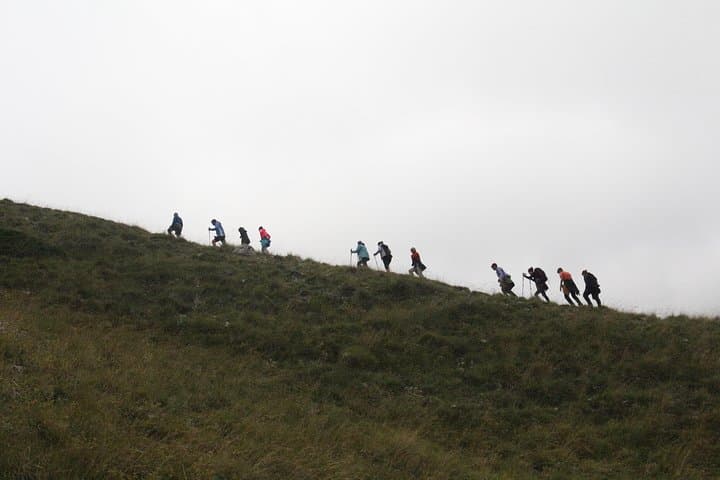
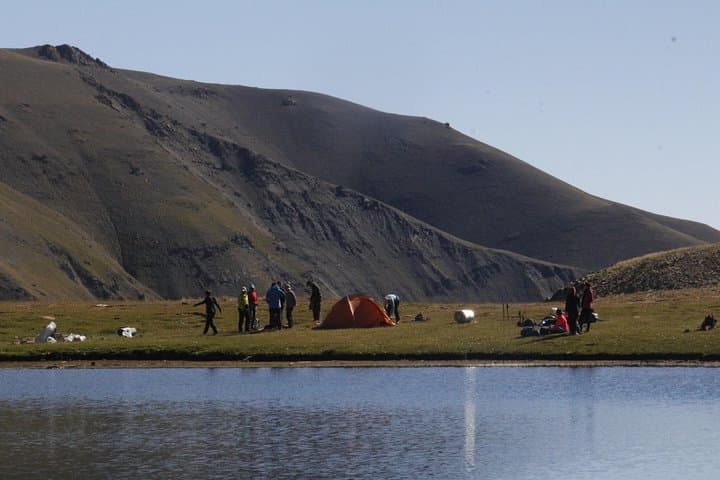
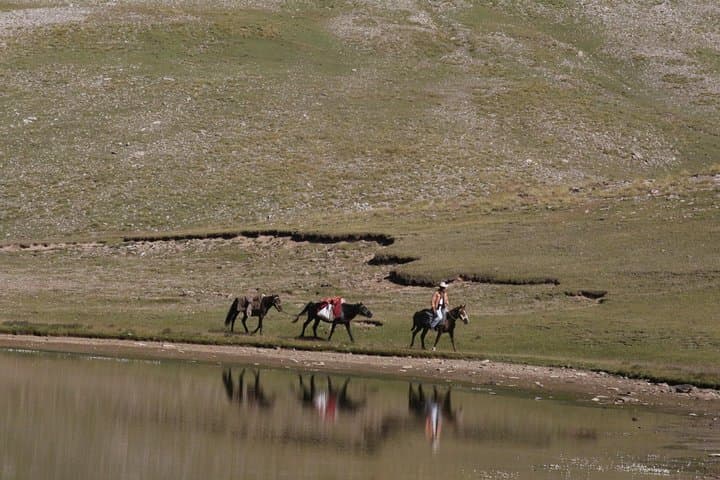
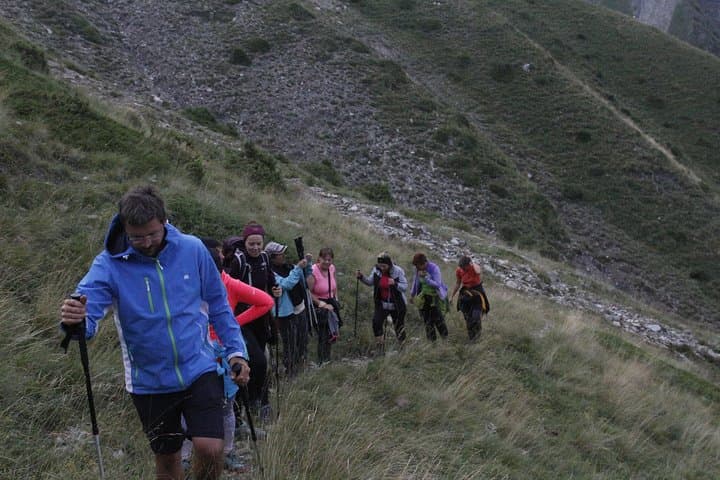
A thin highland wind moves through conifer stands as a battered 4x4 grinds away from Baku and toward the southern flanks of the Greater Caucasus. By the third day tourists will be walking the cobbled lanes of Lahij—an ancient crafts village perched at 1,211 m—then pitching tents above alpine meadows beneath Babadagh’s snow-capped shoulders.
A thin highland wind moves through conifer stands as a battered 4x4 grinds away from Baku and toward the southern flanks of the Greater Caucasus. By the third day tourists will be walking the cobbled lanes of Lahij—an ancient crafts village perched at 1,211 m—then pitching tents above alpine meadows beneath Babadagh’s snow-capped shoulders.
The route threads historic pockets: Lahij’s metal and wood workshops recall centuries of mountain trade, while Khinalig farther north preserves a language isolate and traditions little changed by time. Geologically, the itinerary moves from lower volcanic foothills into uplifted limestone and glacial cirques; the route to Babadagh gains altitude quickly, offering views of corrie lakes like Goturnohur and Goynohur formed by past glaciation.
Culturally, expect guesthouse hospitality and straightforward highland cuisine—flatbreads, stews, and dairy—served by families in remote villages. Guides interpret local pilgrimage traditions: Babadagh is considered sacred by many residents and visited for ceremonial walks.
Practically, this is a multi-day mixed trek with nights in tents and village homes. Days vary from short transfers and village walks to full 8-hour treks; weather changes fast at 3,600+ m and trails can be steep and rocky. Hydrate, layer for wind and sun, carry a basic first-aid kit, and bring cash for remote villages. Respect local customs when visiting homes and shrines. With moderate to strong fitness and the right kit, hikers will be rewarded with panoramic ridgelines, remote settlements, and a close look at highland life in Azerbaijan’s Caucasus.