THE ADVENTURE COLLECTIVE® · Independent discovery and booking for outdoor travel

Head out from Mala Boat Ramp for a guaranteed two-hour whale watch led by experienced local crew. Small groups, 360-degree views and an onboard hydrophone make this an ideal afternoon for photographers and wildlife lovers.
Head out from Mala Boat Ramp for a guaranteed two-hour whale watch led by experienced local crew. Small groups, 360-degree views and an onboard hydrophone make this an ideal afternoon for photographers and wildlife lovers.
The boat slips away from Mala Boat Ramp and the harbor’s hum gives way to a steady thrum of engines and sea-salty air. In minutes the shoreline of Lahaina falls astern and the ocean opens — a wide stage where humpback whales surface, exhale, and slap the water as if to announce themselves.
Verified experiences and guided adventures in the surrounding area.
Operated by Maui Ocean Adventures · Lahaina, Hawaii
The boat slips away from Mala Boat Ramp and the harbor’s hum gives way to a steady thrum of engines and sea-salty air. In minutes the shoreline of Lahaina falls astern and the ocean opens — a wide stage where humpback whales surface, exhale, and slap the water as if to announce themselves.
Humpbacks migrate to Maui’s warm waters each winter to breed and calve; these are seasonal visitors to an older seafaring landscape shaped by volcanic flows and centuries of Hawaiian navigation. From the boat you’ll see the silhouette of Haleakalā on the horizon and the western flank of Maui, with Molokaʻi, Lānaʻi and Kahoʻolawe sometimes hovering like distant islands in the afternoon haze. The crew are local mariners — family-run operators who rebuilt after Lahaina’s recent wildfire — and they pair marine science with oral history, pointing out surface behaviors, explaining whale song picked up on the onboard hydrophone, and reminding visitors of NOAA approach rules designed to protect these animals.
Practically: this is a two-hour, small-group cruise (max ~23), photo-friendly with 360-degree viewing, and a no-shoes policy on deck. Expect brief rolling seas; bring a wind layer, sun protection, and motion-sickness prevention if you’re sensitive. Check in 20 minutes early at the meeting point on Front Street near Mala Boat Ramp, follow crew guidance for safe viewing distances, and keep cameras ready — sightings are frequent and the boat guarantees whales during season. The trip is both an observational wildlife encounter and a concise lesson in Hawaiian marine stewardship.
easy.
2 hours.
Moderate — must be able to board a boat and stand for portions of the trip; not suitable for serious spinal injuries
The operator guarantees sightings during the season and will offer rebooking or refund per their policy if no whales are observed.
Yes — this is family-friendly, but keep children supervised and expect to follow safety briefings; motion sensitivity varies by age.
Yes — the boat is equipped with a hydrophone so crew can broadcast whale song and explain vocalizations during the trip.
Any open rail offers 360-degree views; arrive early to claim a spot, and use a fast shutter speed for action shots.
Lahaina’s harbor was historically a Pacific whaling port and later a plantation town; modern whale-watching blends local maritime skills with protection-focused regulations.
Tours operate under NOAA guidelines — maintain distance, minimize noise and avoid feeding wildlife; support family-run operators who invest in local recovery and stewardship.
Maui Ocean Adventures operates guided outdoor trips and adventures with an emphasis on safety, stewardship, and memorable experiences.
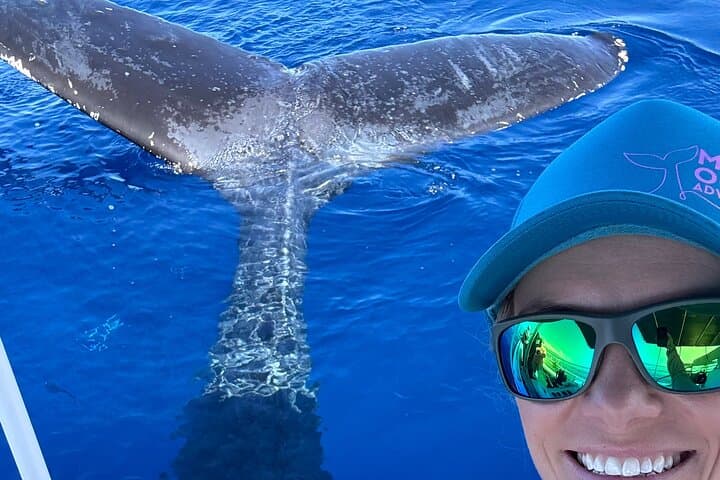
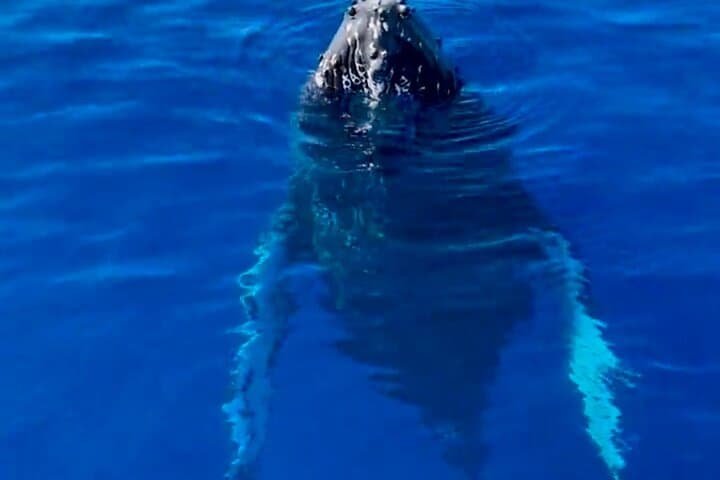

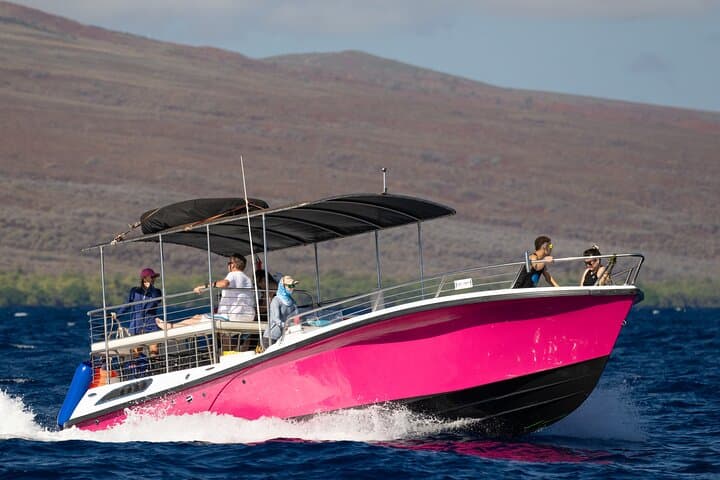
The boat slips away from Mala Boat Ramp and the harbor’s hum gives way to a steady thrum of engines and sea-salty air. In minutes the shoreline of Lahaina falls astern and the ocean opens — a wide stage where humpback whales surface, exhale, and slap the water as if to announce themselves.
The boat slips away from Mala Boat Ramp and the harbor’s hum gives way to a steady thrum of engines and sea-salty air. In minutes the shoreline of Lahaina falls astern and the ocean opens — a wide stage where humpback whales surface, exhale, and slap the water as if to announce themselves.
Humpbacks migrate to Maui’s warm waters each winter to breed and calve; these are seasonal visitors to an older seafaring landscape shaped by volcanic flows and centuries of Hawaiian navigation. From the boat you’ll see the silhouette of Haleakalā on the horizon and the western flank of Maui, with Molokaʻi, Lānaʻi and Kahoʻolawe sometimes hovering like distant islands in the afternoon haze. The crew are local mariners — family-run operators who rebuilt after Lahaina’s recent wildfire — and they pair marine science with oral history, pointing out surface behaviors, explaining whale song picked up on the onboard hydrophone, and reminding visitors of NOAA approach rules designed to protect these animals.
Practically: this is a two-hour, small-group cruise (max ~23), photo-friendly with 360-degree viewing, and a no-shoes policy on deck. Expect brief rolling seas; bring a wind layer, sun protection, and motion-sickness prevention if you’re sensitive. Check in 20 minutes early at the meeting point on Front Street near Mala Boat Ramp, follow crew guidance for safe viewing distances, and keep cameras ready — sightings are frequent and the boat guarantees whales during season. The trip is both an observational wildlife encounter and a concise lesson in Hawaiian marine stewardship.