THE ADVENTURE COLLECTIVE® · Independent discovery and booking for outdoor travel

A full-day outing from Cusco that crosses Andean farmland and climbs to the striking turquoise of Laguna Humantay beneath the ice-fluted slopes of Salkantay. Expect steep uphill for 2 km, dramatic views, and practical high-altitude considerations.
A full-day outing from Cusco that crosses Andean farmland and climbs to the striking turquoise of Laguna Humantay beneath the ice-fluted slopes of Salkantay. Expect steep uphill for 2 km, dramatic views, and practical high-altitude considerations.
Dawn on the mountain road from Cusco tightens the light until the ice walls of Salkantay sharpen into silhouette. The minivan hums through Andean farmland, and by midmorning you step at Soraypampa, where the trail climbs—two steep kilometers that trade breathing room for panoramic payoff. The Humantay lagoon appears like an offered bowl of turquoise, framed by moraine and the stubborn white of glaciated rock.
Verified experiences and guided adventures in the surrounding area.
Operated by Runas Trip Peru · Cusco, Cusco Region
Dawn on the mountain road from Cusco tightens the light until the ice walls of Salkantay sharpen into silhouette. The minivan hums through Andean farmland, and by midmorning you step at Soraypampa, where the trail climbs—two steep kilometers that trade breathing room for panoramic payoff. The Humantay lagoon appears like an offered bowl of turquoise, framed by moraine and the stubborn white of glaciated rock.
This is Inca country layered with older geology: uplifted volcanic and metamorphic rock cut by glacial action that left small basins for high-elevation lakes. Salkantay itself (6,270 m) is an Apu—a sacred mountain—long honored in local Quechua cosmology; pilgrims still leave coca and small offerings along high passes.
Expect open, windswept ridgelines and short, steep switchbacks through puna grass. The lake’s color changes with light and meltwater; the water and the wind feel like active partners, daring you into the view. Small highland villages along the route keep traditional herds of alpaca and grow tubers in terraced plots—local life that meets the trail.
Practical guidance: acclimatize in Cusco for two days, move deliberately on the ascent, and carry layers—temperatures swing quickly. The tour includes breakfast, lunch, transport, walking poles and oxygen assistance; nonetheless, bring a 2–3L hydration system, sun protection, and a light waterproof. Allow 9–10 hours for the round trip from hotel pickup to return. If altitude hits you, descend, rest, and use oxygen or coca; guides typically monitor groups. Humantay rewards the effort with compact grandeur: a single-lake crescendo after a mountain chorus of color and wind.
moderate.
9–10 hours.
Should have good aerobic fitness and the ability to hike uphill at high elevation for several hours
The final uphill approach is about 2 km with steep sections; allow 60–90 minutes depending on fitness and altitude effects.
Not recommended for those with serious altitude conditions—acclimatize first; the tour provides oxygen and monitors guests but symptoms can require descent.
Transport from Cusco, breakfast, buffet lunch, professional guide, walking poles and an oxygen ball are included per the tour details.
The dry season (June–August) gives the most reliable clear skies and crisp views of Salkantay and the lagoon.
Salkantay has long been revered as an Apu by Quechua communities; the surrounding valleys were part of Inca trade and pilgrimage routes.
High-Andean lagoons are fragile—stay on marked trails, pack out trash, and avoid swimming to protect water quality and native vegetation.
Runas Trip Peru operates guided outdoor trips and adventures with an emphasis on safety, stewardship, and memorable experiences.


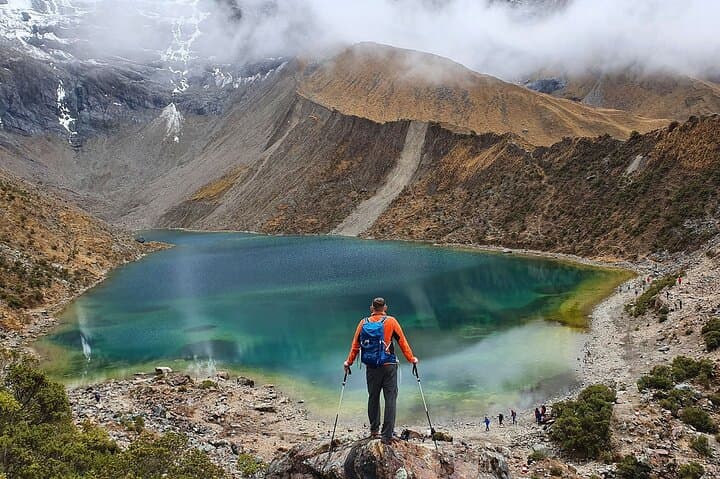
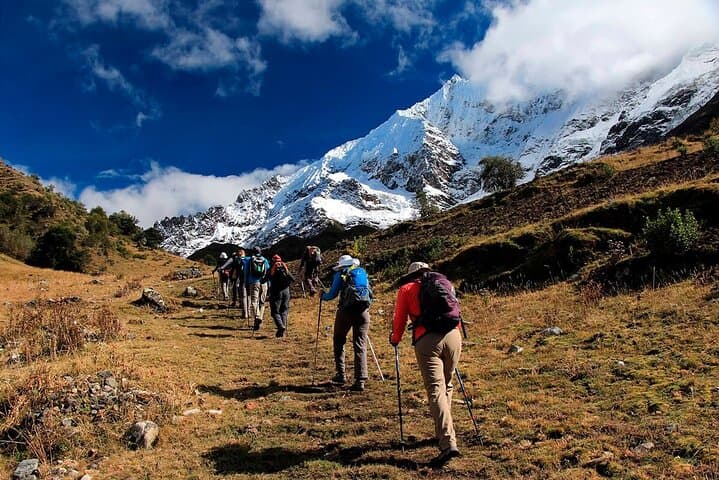
Dawn on the mountain road from Cusco tightens the light until the ice walls of Salkantay sharpen into silhouette. The minivan hums through Andean farmland, and by midmorning you step at Soraypampa, where the trail climbs—two steep kilometers that trade breathing room for panoramic payoff. The Humantay lagoon appears like an offered bowl of turquoise, framed by moraine and the stubborn white of glaciated rock.
Dawn on the mountain road from Cusco tightens the light until the ice walls of Salkantay sharpen into silhouette. The minivan hums through Andean farmland, and by midmorning you step at Soraypampa, where the trail climbs—two steep kilometers that trade breathing room for panoramic payoff. The Humantay lagoon appears like an offered bowl of turquoise, framed by moraine and the stubborn white of glaciated rock.
This is Inca country layered with older geology: uplifted volcanic and metamorphic rock cut by glacial action that left small basins for high-elevation lakes. Salkantay itself (6,270 m) is an Apu—a sacred mountain—long honored in local Quechua cosmology; pilgrims still leave coca and small offerings along high passes.
Expect open, windswept ridgelines and short, steep switchbacks through puna grass. The lake’s color changes with light and meltwater; the water and the wind feel like active partners, daring you into the view. Small highland villages along the route keep traditional herds of alpaca and grow tubers in terraced plots—local life that meets the trail.
Practical guidance: acclimatize in Cusco for two days, move deliberately on the ascent, and carry layers—temperatures swing quickly. The tour includes breakfast, lunch, transport, walking poles and oxygen assistance; nonetheless, bring a 2–3L hydration system, sun protection, and a light waterproof. Allow 9–10 hours for the round trip from hotel pickup to return. If altitude hits you, descend, rest, and use oxygen or coca; guides typically monitor groups. Humantay rewards the effort with compact grandeur: a single-lake crescendo after a mountain chorus of color and wind.