THE ADVENTURE COLLECTIVE® · Independent discovery and booking for outdoor travel

A day out of Ushuaia that opens in lenga forest and ends at a startling green lake in the Cordillera Fueguina. This guided trek combines peat-bog walking, wildlife chances, and a packed lunch on the lagoon shore.
A day out of Ushuaia that opens in lenga forest and ends at a startling green lake in the Cordillera Fueguina. This guided trek combines peat-bog walking, wildlife chances, and a packed lunch on the lagoon shore.
The minibus leaves Ushuaia as a grey skiff of houses recedes and the road climbs into lenga and coihue forest. Damp peat smells of moss and iron; the trail ahead threads through boardwalks and bog-strewn clearings. After a steady climb the trees peel back and Laguna Esmeralda appears like an improbable pool of jade pressed into the Fuegian cordillera. Wind scratches the surface, pushing flakes of light across the water as the guide sets out the lunch box and the group takes stock of the view.
Verified experiences and guided adventures in the surrounding area.
Operated by Tangol · Ushuaia, Tierra del Fuego Province
The minibus leaves Ushuaia as a grey skiff of houses recedes and the road climbs into lenga and coihue forest. Damp peat smells of moss and iron; the trail ahead threads through boardwalks and bog-strewn clearings. After a steady climb the trees peel back and Laguna Esmeralda appears like an improbable pool of jade pressed into the Fuegian cordillera. Wind scratches the surface, pushing flakes of light across the water as the guide sets out the lunch box and the group takes stock of the view.
This lake sits in the Tierra del Fuego Nature Reserve and was carved by cold fingers of ice and time. Geology here is blunt and recent: glacial scouring created a shallow basin that traps meltwater and tannins, producing the lagoon's distinctive green. Human history in the valley is short and practical — seasonal hunters and later gaucho settlers traversed these slopes, and modern refuges such as Nunatak serve expeditions and day hikers.
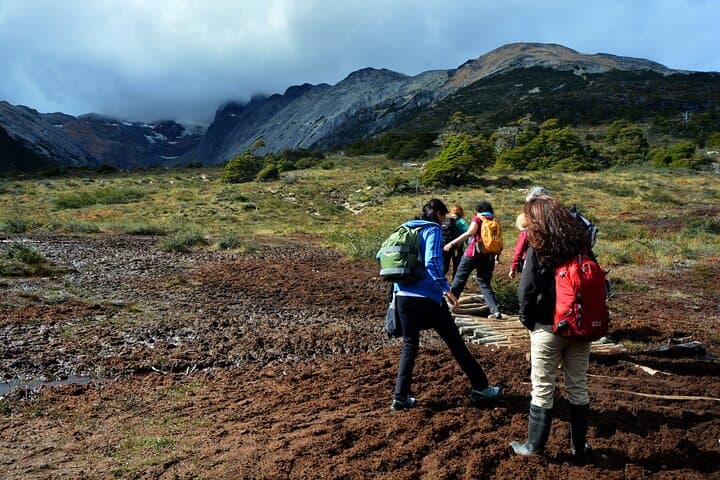
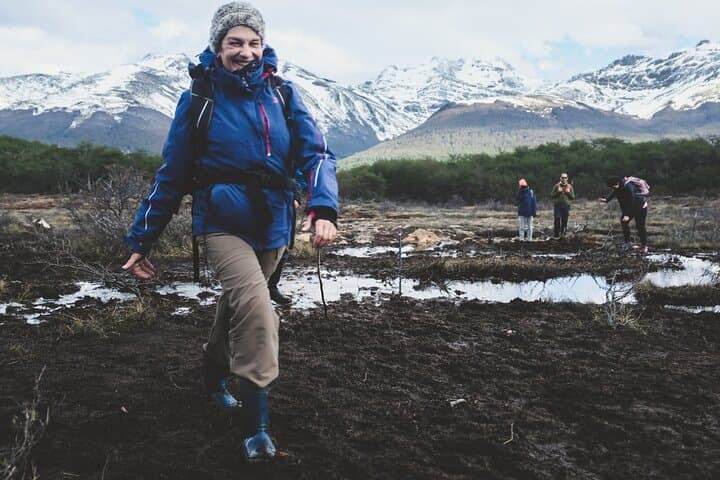
The trail follows varied terrain. Expect peat bogs stitched with wooden walkways, narrow paths through ancient lenga forest, small stream crossings, and open moraine near the lake. Wildlife punctuates the route; look for the furtive culpeo fox moving at the forest edge, condors thermalling above the ridgeline, and the engineered ponds that betray beaver activity — a reminder of an introduced species reshaping Fuegian waterways.
Practicalities are straightforward. The full excursion runs roughly 6–7 hours with hotel pickup, about 9–10 kilometers round-trip on foot and roughly 200–300 meters of elevation gain. Trail footing can be muddy and rooty; trekking boots and gaiters make the day easier. Guides provide a bilingual briefing and a packed lunch, but bring a water bottle and an extra layer — weather swings from bright sun to wet wind in an hour.
Move at a steady pace, pause often to scan the canopy and bog edges, and give wildlife space. The route out of Nunatak refuge is slightly different from the inbound track, offering new perspectives on streams and beaver ponds. Note that the area is ecologically sensitive: stay on established paths and pack out all waste.
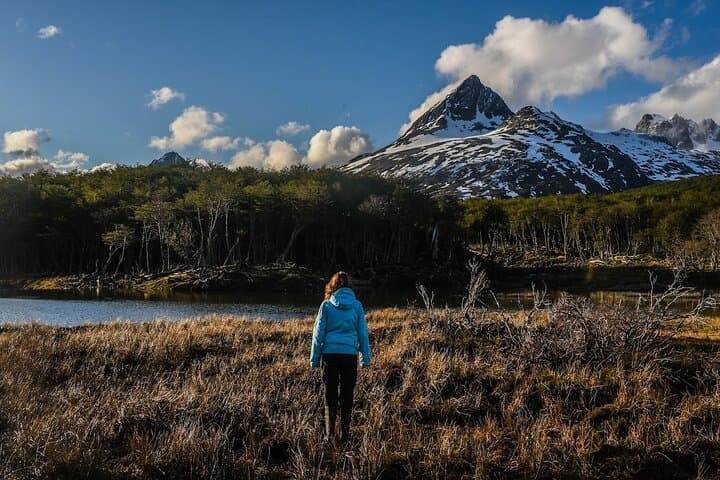
For planning: mornings are the calmest for photography and wildlife; afternoons can bring stronger winds. The trip is not recommended for travelers with serious spinal or heart conditions, pregnant guests, or those unable to handle uneven terrain. For those who make it to the lagoon shore, the reward is elemental — a bright, cold pool framed by wind-bleached trees and the hulking silhouette of the Fuegian range beyond.
moderate.
6–7 hours.
Moderate fitness needed: comfortable walking on uneven ground for several hours and handling short uphill sections.
The walk totals about 9–10 kilometers round-trip, typically 3–4 hours of hiking within a 6–7 hour tour including transfers.
Children aged 9 and up are accepted; they should be accustomed to uneven terrain and muddy sections.
There are no formal restrooms on the route; the Nunatak refuge may offer facilities before the trek but plan accordingly.
Wildlife sightings are possible but not guaranteed; culpeo foxes, Andean condors, and signs of beaver activity are common in the reserve.
The tour includes hotel pickup from selected Ushuaia hotels, a bilingual guide, and a boxed lunch at the lagoon.
This excursion is not recommended for travelers with spinal or serious cardiovascular conditions; consult your physician before booking.
The valley has been crossed by indigenous Fuegians and later used by gauchos; modern conservation and refuges reflect 20th-century tourism development.
Beavers, introduced decades ago, have dramatically altered local waterways; stay on trails and avoid disturbing riparian zones to limit further impact.
Tangol operates guided outdoor trips and adventures with an emphasis on safety, stewardship, and memorable experiences.
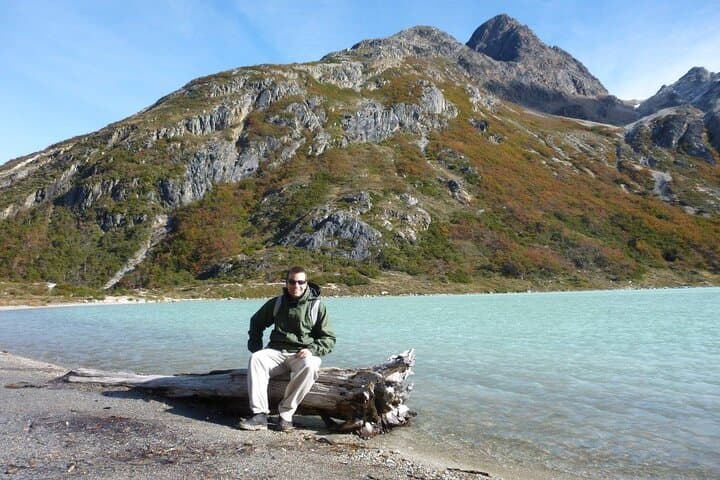
The minibus leaves Ushuaia as a grey skiff of houses recedes and the road climbs into lenga and coihue forest. Damp peat smells of moss and iron; the trail ahead threads through boardwalks and bog-strewn clearings. After a steady climb the trees peel back and Laguna Esmeralda appears like an improbable pool of jade pressed into the Fuegian cordillera. Wind scratches the surface, pushing flakes of light across the water as the guide sets out the lunch box and the group takes stock of the view.
The minibus leaves Ushuaia as a grey skiff of houses recedes and the road climbs into lenga and coihue forest. Damp peat smells of moss and iron; the trail ahead threads through boardwalks and bog-strewn clearings. After a steady climb the trees peel back and Laguna Esmeralda appears like an improbable pool of jade pressed into the Fuegian cordillera. Wind scratches the surface, pushing flakes of light across the water as the guide sets out the lunch box and the group takes stock of the view.
This lake sits in the Tierra del Fuego Nature Reserve and was carved by cold fingers of ice and time. Geology here is blunt and recent: glacial scouring created a shallow basin that traps meltwater and tannins, producing the lagoon's distinctive green. Human history in the valley is short and practical — seasonal hunters and later gaucho settlers traversed these slopes, and modern refuges such as Nunatak serve expeditions and day hikers.
The trail follows varied terrain. Expect peat bogs stitched with wooden walkways, narrow paths through ancient lenga forest, small stream crossings, and open moraine near the lake. Wildlife punctuates the route; look for the furtive culpeo fox moving at the forest edge, condors thermalling above the ridgeline, and the engineered ponds that betray beaver activity — a reminder of an introduced species reshaping Fuegian waterways.
Practicalities are straightforward. The full excursion runs roughly 6–7 hours with hotel pickup, about 9–10 kilometers round-trip on foot and roughly 200–300 meters of elevation gain. Trail footing can be muddy and rooty; trekking boots and gaiters make the day easier. Guides provide a bilingual briefing and a packed lunch, but bring a water bottle and an extra layer — weather swings from bright sun to wet wind in an hour.
Move at a steady pace, pause often to scan the canopy and bog edges, and give wildlife space. The route out of Nunatak refuge is slightly different from the inbound track, offering new perspectives on streams and beaver ponds. Note that the area is ecologically sensitive: stay on established paths and pack out all waste.
For planning: mornings are the calmest for photography and wildlife; afternoons can bring stronger winds. The trip is not recommended for travelers with serious spinal or heart conditions, pregnant guests, or those unable to handle uneven terrain. For those who make it to the lagoon shore, the reward is elemental — a bright, cold pool framed by wind-bleached trees and the hulking silhouette of the Fuegian range beyond.