THE ADVENTURE COLLECTIVE® · Independent discovery and booking for outdoor travel

A brisk half-day trek from Ushuaia leads to Laguna Esmeralda, an emerald lake set among peat bogs and lenga forest. Expect boardwalks, stream crossings, and a snack on the shore—ideal for hikers looking for a high-return, low-commitment Patagonian outing.
A brisk half-day trek from Ushuaia leads to Laguna Esmeralda, an emerald lake set among peat bogs and lenga forest. Expect boardwalks, stream crossings, and a snack on the shore—ideal for hikers looking for a high-return, low-commitment Patagonian outing.
A low, diesel hum fades as the minibus winds away from Ushuaia and into the open of Tierra Mayor. In the rearview, the town’s rooftops shrink and the mountain line sharpens: snow-brushed peaks, serrated ridgelines, and the kind of cold light that makes colors pop. The driver leaves the paved road and you step out at Nunatak refuge—trailhead, briefing point, and the place where the forest takes over.
Verified experiences and guided adventures in the surrounding area.
Operated by Kaitek Viajes · Ushuaia, Tierra del Fuego
A low, diesel hum fades as the minibus winds away from Ushuaia and into the open of Tierra Mayor. In the rearview, the town’s rooftops shrink and the mountain line sharpens: snow-brushed peaks, serrated ridgelines, and the kind of cold light that makes colors pop. The driver leaves the paved road and you step out at Nunatak refuge—trailhead, briefing point, and the place where the forest takes over.
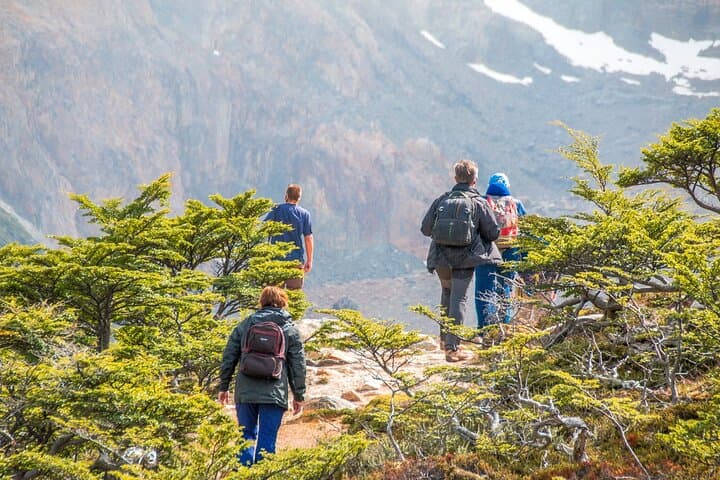
The route to Laguna Esmeralda is simple in concept and richly varied underfoot. Over roughly 9 km round-trip you gain about 200–300 meters, moving from open peatlands (túrbales) stitched with boardwalks into century-old stands of lenga and coihue. Streams cross the trail in shallow fords; logged wooden planks bridge the soggiest sections. Mountain runoff and ancient glaciers sculpted this valley—what you’re seeing is a living chapter of Tierra del Fuego’s post-glacial history, where peat accumulates slowly and the land remains waterlogged and vibrant.
This part of the island carries human history too. The Yámana and Selk’nam peoples once hunted and traveled these valleys long before European settlers arrived. In the 20th century, introductions of North American beavers changed the ecology, flooding forests and altering waterways; today, you may spot their handiwork in twisted trunks and dammed streams, a reminder that wilderness can be reshaped by small hands.
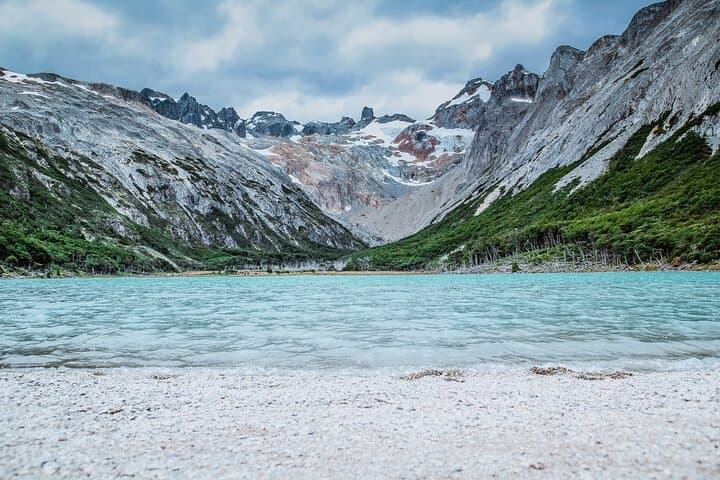
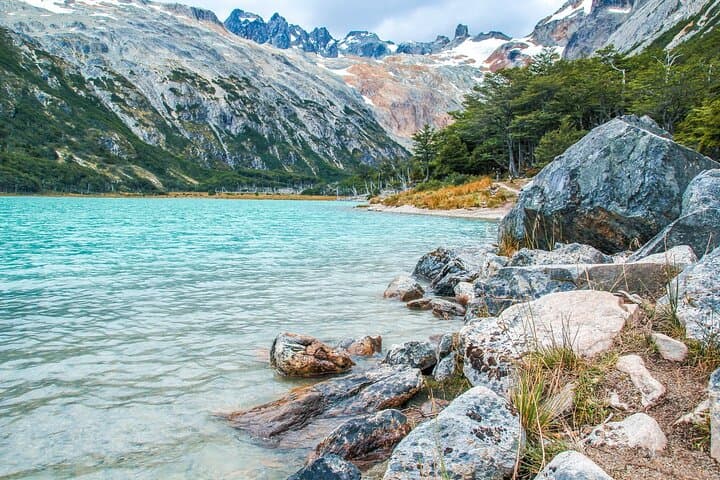
At the lake, the color justifies the name: a cool, mineral-laced green framed by spiky mountain teeth. The group settles on the shore for a snack—fresh bread, fruit, and hot tea—while condors and the occasional Andean fox patrol the heights and edges. The water doesn’t invite swimming; it asks for quiet appreciation.
Practical notes: the operator runs this as a half-day excursion (5–6 hours total including transport), with door-to-door pickup in Ushuaia. Trails are well-marked but uneven; expect boggy patches and river crossings that can be muddy after rain. Guides provide briefings on flora, peat composition, and regional wildlife, and bring trekking poles if needed. The trail is suitable for many fitness levels but wear waterproof boots and layer for swift weather changes.
Timing can make the hike: morning light scours contrast across the valley, while late morning softens the lake’s color for photos. Leave no trace—peatlands regenerate slowly—and stay on the trail to protect fragile moss and dwarf vegetation. When the sun tips behind the ridge you’ll be back in the minibus, warmed by a hot drink and the quiet sense that you’ve walked through one of Patagonia’s more intimate landscapes.
moderate.
5–6 hours.
Moderate endurance—comfortable walking 4–6 hours over uneven terrain; suitable for most active travelers.
The full excursion runs about 5–6 hours including transport; the trail itself is roughly 9 km round-trip with 200–300 m of elevation gain—uneven but suitable for most active visitors.
Yes—the tour includes a light brunch/snack and hot drinks to enjoy at Laguna Esmeralda’s shore.
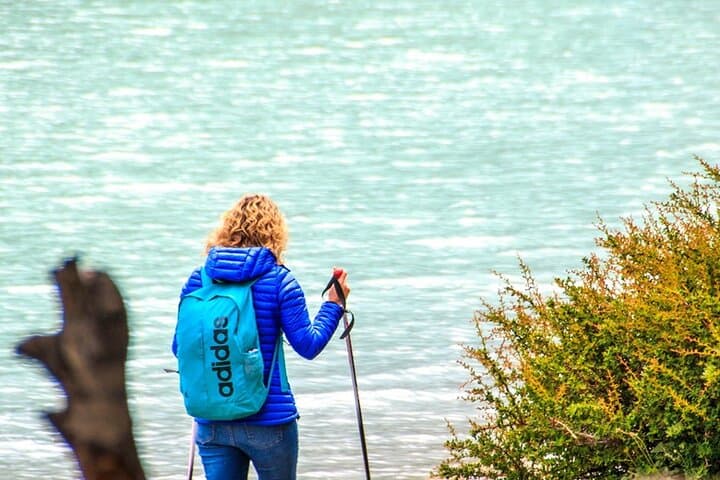
Not strictly required; guides can provide trekking poles if you need them. Waterproof footwear and layered clothing are the priority.
Minimum age is 6; the operator notes it’s suitable for a broad range of fitness levels, but not recommended for those with serious back or heart issues.
Swimming is possible but not recommended—the water is cold and currents from meltwater can be chilly and unpredictable.
The tour includes round-trip transport from Ushuaia hotels and the port; pick-up is typically 30 minutes before departure time.
The valley sits within the Tierra del Fuego Natural and Landscape Reserve and is part of landscapes historically used by Yámana and Selk’nam communities; 20th-century introductions of beavers reshaped waterways.
Peat bogs in this region store carbon and recover slowly—staying on boardwalks minimizes damage; beaver control is an ongoing conservation priority in Tierra del Fuego.
Kaitek Viajes operates guided outdoor trips and adventures with an emphasis on safety, stewardship, and memorable experiences.
A low, diesel hum fades as the minibus winds away from Ushuaia and into the open of Tierra Mayor. In the rearview, the town’s rooftops shrink and the mountain line sharpens: snow-brushed peaks, serrated ridgelines, and the kind of cold light that makes colors pop. The driver leaves the paved road and you step out at Nunatak refuge—trailhead, briefing point, and the place where the forest takes over.
A low, diesel hum fades as the minibus winds away from Ushuaia and into the open of Tierra Mayor. In the rearview, the town’s rooftops shrink and the mountain line sharpens: snow-brushed peaks, serrated ridgelines, and the kind of cold light that makes colors pop. The driver leaves the paved road and you step out at Nunatak refuge—trailhead, briefing point, and the place where the forest takes over.
The route to Laguna Esmeralda is simple in concept and richly varied underfoot. Over roughly 9 km round-trip you gain about 200–300 meters, moving from open peatlands (túrbales) stitched with boardwalks into century-old stands of lenga and coihue. Streams cross the trail in shallow fords; logged wooden planks bridge the soggiest sections. Mountain runoff and ancient glaciers sculpted this valley—what you’re seeing is a living chapter of Tierra del Fuego’s post-glacial history, where peat accumulates slowly and the land remains waterlogged and vibrant.
This part of the island carries human history too. The Yámana and Selk’nam peoples once hunted and traveled these valleys long before European settlers arrived. In the 20th century, introductions of North American beavers changed the ecology, flooding forests and altering waterways; today, you may spot their handiwork in twisted trunks and dammed streams, a reminder that wilderness can be reshaped by small hands.
At the lake, the color justifies the name: a cool, mineral-laced green framed by spiky mountain teeth. The group settles on the shore for a snack—fresh bread, fruit, and hot tea—while condors and the occasional Andean fox patrol the heights and edges. The water doesn’t invite swimming; it asks for quiet appreciation.
Practical notes: the operator runs this as a half-day excursion (5–6 hours total including transport), with door-to-door pickup in Ushuaia. Trails are well-marked but uneven; expect boggy patches and river crossings that can be muddy after rain. Guides provide briefings on flora, peat composition, and regional wildlife, and bring trekking poles if needed. The trail is suitable for many fitness levels but wear waterproof boots and layer for swift weather changes.
Timing can make the hike: morning light scours contrast across the valley, while late morning softens the lake’s color for photos. Leave no trace—peatlands regenerate slowly—and stay on the trail to protect fragile moss and dwarf vegetation. When the sun tips behind the ridge you’ll be back in the minibus, warmed by a hot drink and the quiet sense that you’ve walked through one of Patagonia’s more intimate landscapes.