THE ADVENTURE COLLECTIVE® · Independent discovery and booking for outdoor travel

Climb into the Coronado cloud forest on a private guided hike to Costa Rica’s only natural color lagoon. This intermediate 13 km, 800 m ascent route pairs rare birdwatching with volcanic geology and panoramic ridge views.
Climb into the Coronado cloud forest on a private guided hike to Costa Rica’s only natural color lagoon. This intermediate 13 km, 800 m ascent route pairs rare birdwatching with volcanic geology and panoramic ridge views.
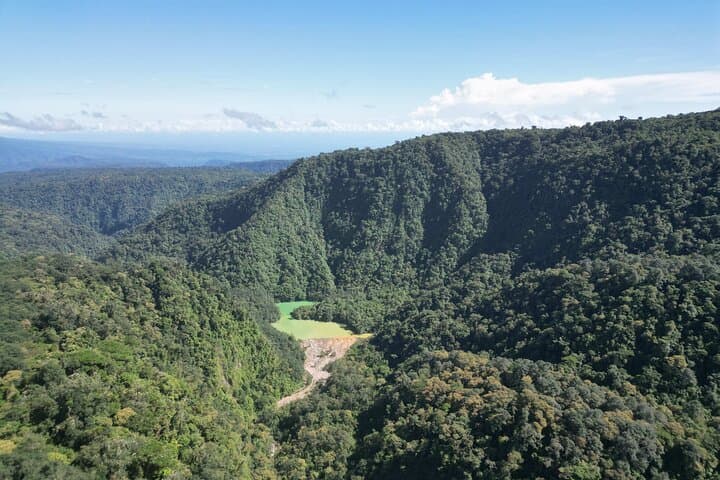
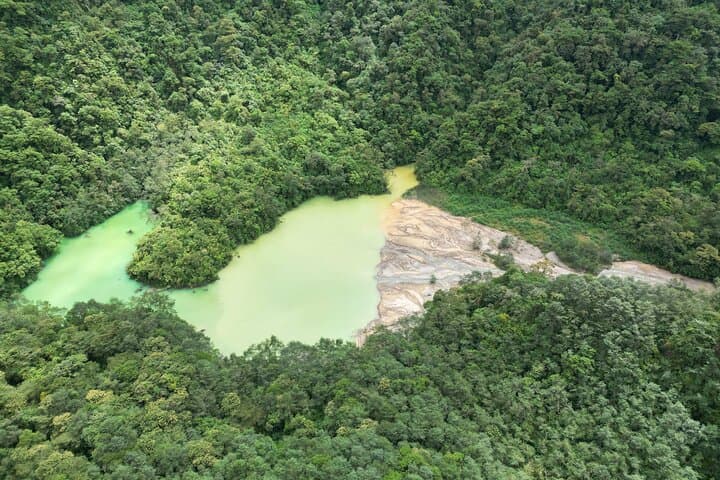
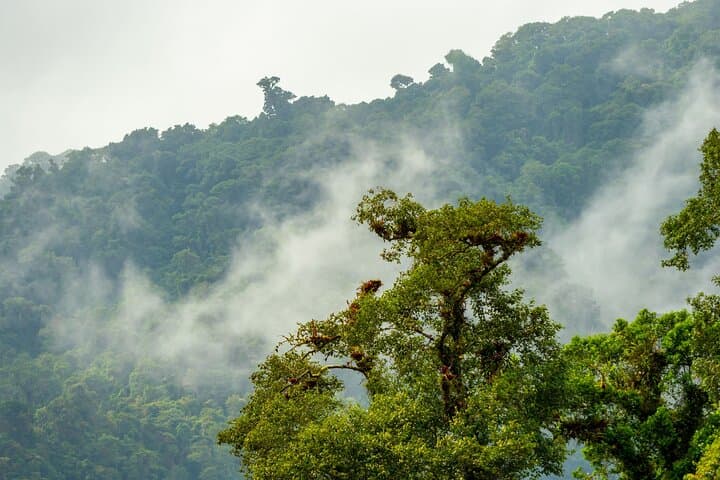
Mist clings to moss-draped trunks as the trail climbs out of the valley, each step taking you higher into a cloud forest that seems to breathe. After a transfer from Parque Francia in Barrio Escalante (or direct arrival at the reserve), a bilingual guide leads a 13 km route through old-growth patches and secondary growth, culminating at a ridge viewpoint that looks down on Costa Rica’s only naturally colored lagoon — a crater-fed pool that shifts hues where volcanic waters mix with tributaries.
Verified experiences and guided adventures in the surrounding area.
Operated by El Iral Bosque Nuboso · Coronado, San José Province
Mist clings to moss-draped trunks as the trail climbs out of the valley, each step taking you higher into a cloud forest that seems to breathe. After a transfer from Parque Francia in Barrio Escalante (or direct arrival at the reserve), a bilingual guide leads a 13 km route through old-growth patches and secondary growth, culminating at a ridge viewpoint that looks down on Costa Rica’s only naturally colored lagoon — a crater-fed pool that shifts hues where volcanic waters mix with tributaries.
Geology here is volcanic and young: acidic mineral runoff and iron-rich springs tint the lagoon, while the surrounding soil and steep slopes record past eruptions and uplift. Culturally, the Coronado Mountains sit on the eastern edge of San José’s metropolitan reach, historically used for small-scale dairy and now managed for conservation and ecotourism; the reserve balances visitor services with habitat protection.
Expect active birdlife — resplendent quetzals call from the canopy — and the cautionary presence of larger mammals such as occasional tapir and puma in remote sectors. Visibility can flip between sweeping views and walking among clouds; this variability is part of the experience.
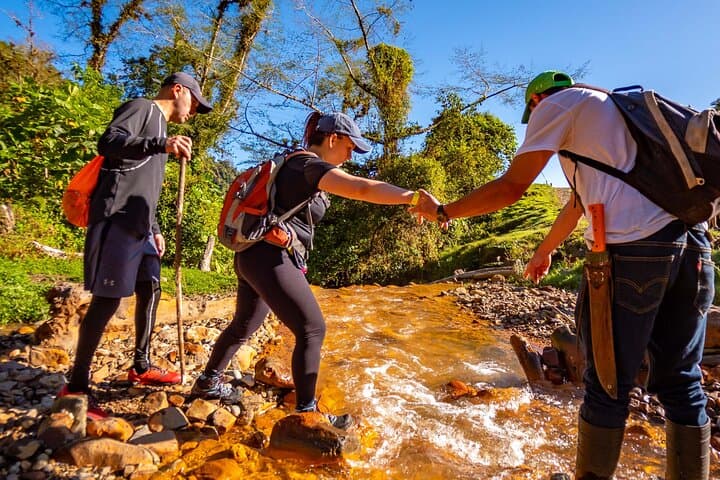
Practically: the hike is ~13 km with roughly 800 m cumulative ascent and takes about five hours, suitable for intermediate hikers accustomed to sustained effort. Trails can be muddy and steep; a guide handles route-finding and interpretation, and the tour includes transport, entrance, guide, and a lunch box. Start early for the best light, layer for cool, wet conditions, and carry 2–3 liters of water. Respect marked trails and permit rules to protect fragile cloud-forest soils and the lagoon’s unique chemistry.
challenging.
Approximately 5 hours.
Good aerobic conditioning and regular hiking experience; comfortable walking several hours with uphill sustained effort.
The route is intermediate to challenging: 13 km with about 800 m cumulative ascent over mixed trail—suitable for hikers used to several hours of activity.
Yes, the tour includes transfer from Parque Francia in Barrio Escalante or you can meet directly at the reserve; confirm pickup when booking.
Quetzals and other high-altitude birds are regularly seen, but larger mammals such as tapir or puma are rare and shy; sightings are not guaranteed.
The operator may cancel in heavy rain or unsafe conditions; cancellation policy allows a full refund if you cancel at least 24 hours in advance.
The Coronado highlands have long supported dairy and smallholder farms; parts of the reserve were later set aside for conservation and ecotourism to protect cloud-forest habitat.
Stay on marked trails to avoid damaging fragile moss and root mats; local operators limit visitor numbers and reinvest fees into habitat protection and reforestation.
El Iral Bosque Nuboso operates guided outdoor trips and adventures with an emphasis on safety, stewardship, and memorable experiences.
Mist clings to moss-draped trunks as the trail climbs out of the valley, each step taking you higher into a cloud forest that seems to breathe. After a transfer from Parque Francia in Barrio Escalante (or direct arrival at the reserve), a bilingual guide leads a 13 km route through old-growth patches and secondary growth, culminating at a ridge viewpoint that looks down on Costa Rica’s only naturally colored lagoon — a crater-fed pool that shifts hues where volcanic waters mix with tributaries.
Mist clings to moss-draped trunks as the trail climbs out of the valley, each step taking you higher into a cloud forest that seems to breathe. After a transfer from Parque Francia in Barrio Escalante (or direct arrival at the reserve), a bilingual guide leads a 13 km route through old-growth patches and secondary growth, culminating at a ridge viewpoint that looks down on Costa Rica’s only naturally colored lagoon — a crater-fed pool that shifts hues where volcanic waters mix with tributaries.
Geology here is volcanic and young: acidic mineral runoff and iron-rich springs tint the lagoon, while the surrounding soil and steep slopes record past eruptions and uplift. Culturally, the Coronado Mountains sit on the eastern edge of San José’s metropolitan reach, historically used for small-scale dairy and now managed for conservation and ecotourism; the reserve balances visitor services with habitat protection.
Expect active birdlife — resplendent quetzals call from the canopy — and the cautionary presence of larger mammals such as occasional tapir and puma in remote sectors. Visibility can flip between sweeping views and walking among clouds; this variability is part of the experience.
Practically: the hike is ~13 km with roughly 800 m cumulative ascent and takes about five hours, suitable for intermediate hikers accustomed to sustained effort. Trails can be muddy and steep; a guide handles route-finding and interpretation, and the tour includes transport, entrance, guide, and a lunch box. Start early for the best light, layer for cool, wet conditions, and carry 2–3 liters of water. Respect marked trails and permit rules to protect fragile cloud-forest soils and the lagoon’s unique chemistry.