THE ADVENTURE COLLECTIVE® · Independent discovery and booking for outdoor travel

Two days of high-andean camping and trekking from Huaraz to Laguna 69 and the Llanganuco Lakes. Expect striking glacial lakes, moraine ridgelines and one night under high-altitude stars.
Two days of high-andean camping and trekking from Huaraz to Laguna 69 and the Llanganuco Lakes. Expect striking glacial lakes, moraine ridgelines and one night under high-altitude stars.
Dawn slips cool and blue across the Cordillera Blanca as a small group climbs out of Cebollapampa, breath clouding in the thin air while glaciers glitter above. The trail angles up through pale scree and stands of ichu grass, the wind shaping the ridge like an invisible hand. By midmorning Laguna 69 appears: startling mineral blue held in a bowl of granite cliffs and hanging glaciers.
Verified experiences and guided adventures in the surrounding area.
Operated by First Class Huaraz · Huaraz, Ancash
Dawn slips cool and blue across the Cordillera Blanca as a small group climbs out of Cebollapampa, breath clouding in the thin air while glaciers glitter above. The trail angles up through pale scree and stands of ichu grass, the wind shaping the ridge like an invisible hand. By midmorning Laguna 69 appears: startling mineral blue held in a bowl of granite cliffs and hanging glaciers.
The route threads through a landscape carved by late Pleistocene glaciers — moraines mark ancient ice lines and meltwater fed the valley systems that became the Llanganuco Lakes. The area sits inside Huascarán National Park, a UNESCO biosphere reserve created to protect endemic high-Andean flora and fauna and the towering Huascarán peak, Peru’s highest.
Culturally the valley has long supported highland communities; shepherding and Quechua traditions persist in the villages around Huaraz, where guides and muleteers still rely on age-old mountain knowledge.
Practical guidance: expect two full days of trekking with one night spent in two-person tents at a camp near Yuraccorral. Trails alternate packed earth, rocky ramps and short steep sections — altitude is the main challenge, not technical climbing. Hydrate, pace uphill with short breaks, and keep a warm layer for evenings when temperatures fall sharply.
Logistics: pickup in Huaraz, private transport to trailheads, meals included, and a moderate fitness level required. Photogenic and accessible in clear weather, this itinerary pairs high-mountain spectacle with manageable camping for hikers ready to trade city lights for glacier-lit nights.
moderate.
2 days.
Moderately fit: able to sustain 4–6 hours of hiking at altitude with some steep sections
Expect about 3–4 hours each way from Cebollapampa to Laguna 69 on a moderate uphill trail, depending on pace and acclimatization.
No technical camping skills are required; guides set up tents and provide meals, but basic comfort with sleeping in a tent and cold nights is recommended.
Visitors typically pay park entrance fees at park checkpoints or through organized tour operators who include the fee; confirm with your operator before departure.
Ascend slowly, hydrate, avoid alcohol, eat light, and monitor symptoms; descent and medical attention are necessary for severe signs like severe breathlessness or confusion.
Huascarán National Park was established in 1975 to protect the Cordillera Blanca’s glaciers and high-Andean ecosystems; the area has long been used by Quechua-speaking communities for pasture and trade routes.
Glacial retreat and visitor impact are key concerns; practice Leave No Trace, stick to marked trails, and avoid single-use plastics to reduce the park’s footprint.
First Class Huaraz operates guided outdoor trips and adventures with an emphasis on safety, stewardship, and memorable experiences.
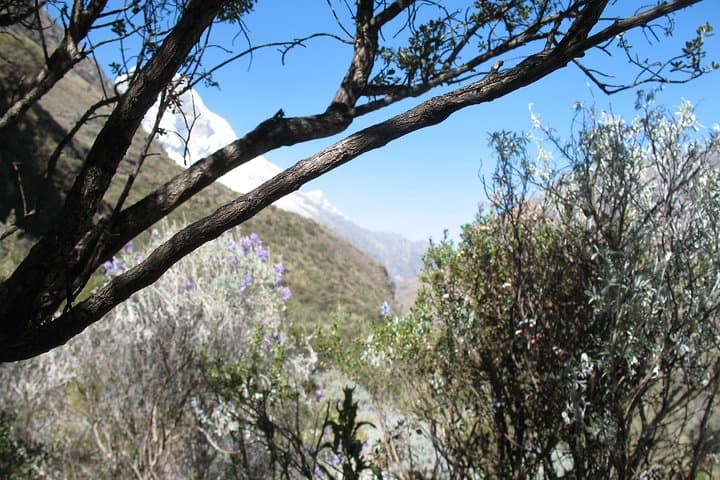
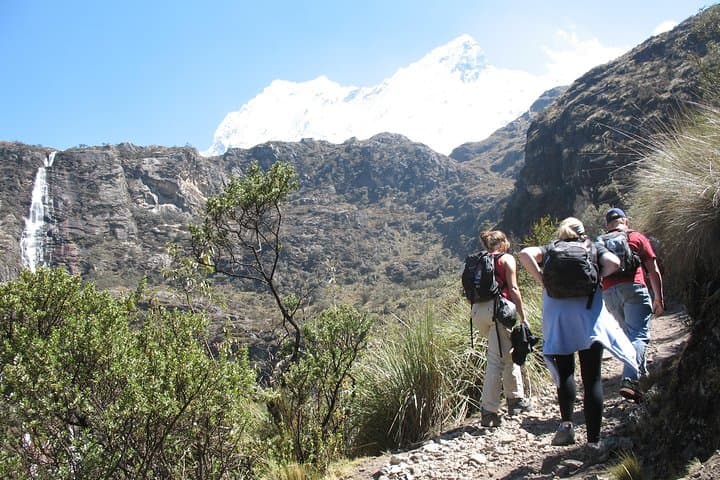
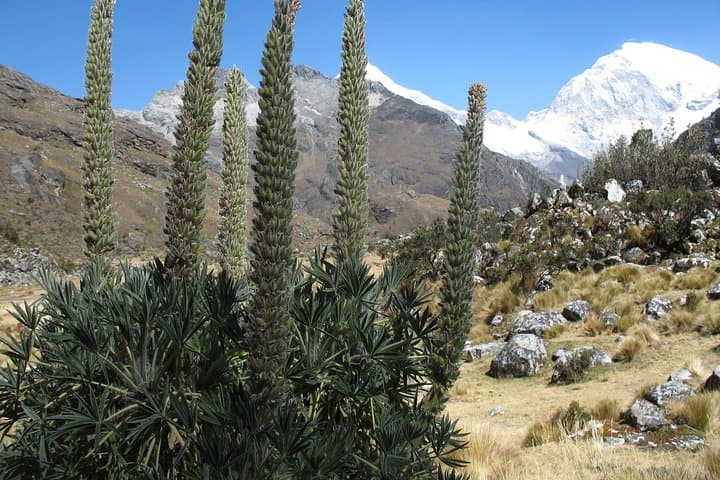
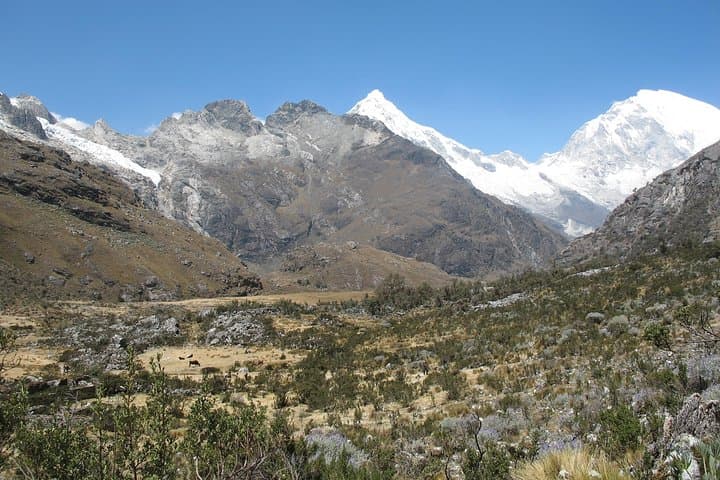
Dawn slips cool and blue across the Cordillera Blanca as a small group climbs out of Cebollapampa, breath clouding in the thin air while glaciers glitter above. The trail angles up through pale scree and stands of ichu grass, the wind shaping the ridge like an invisible hand. By midmorning Laguna 69 appears: startling mineral blue held in a bowl of granite cliffs and hanging glaciers.
Dawn slips cool and blue across the Cordillera Blanca as a small group climbs out of Cebollapampa, breath clouding in the thin air while glaciers glitter above. The trail angles up through pale scree and stands of ichu grass, the wind shaping the ridge like an invisible hand. By midmorning Laguna 69 appears: startling mineral blue held in a bowl of granite cliffs and hanging glaciers.
The route threads through a landscape carved by late Pleistocene glaciers — moraines mark ancient ice lines and meltwater fed the valley systems that became the Llanganuco Lakes. The area sits inside Huascarán National Park, a UNESCO biosphere reserve created to protect endemic high-Andean flora and fauna and the towering Huascarán peak, Peru’s highest.
Culturally the valley has long supported highland communities; shepherding and Quechua traditions persist in the villages around Huaraz, where guides and muleteers still rely on age-old mountain knowledge.
Practical guidance: expect two full days of trekking with one night spent in two-person tents at a camp near Yuraccorral. Trails alternate packed earth, rocky ramps and short steep sections — altitude is the main challenge, not technical climbing. Hydrate, pace uphill with short breaks, and keep a warm layer for evenings when temperatures fall sharply.
Logistics: pickup in Huaraz, private transport to trailheads, meals included, and a moderate fitness level required. Photogenic and accessible in clear weather, this itinerary pairs high-mountain spectacle with manageable camping for hikers ready to trade city lights for glacier-lit nights.