THE ADVENTURE COLLECTIVE® · Independent discovery and booking for outdoor travel

Buy ahead and plan for a relaxed half-day at Lagos Zoo, where well-designed exhibits, a small visitor farm, and lakeside paths make wildlife viewing accessible and family-friendly. This guide covers what to expect, practical details, and tips for making the most of your visit.
Buy ahead and plan for a relaxed half-day at Lagos Zoo, where well-designed exhibits, a small visitor farm, and lakeside paths make wildlife viewing accessible and family-friendly. This guide covers what to expect, practical details, and tips for making the most of your visit.
A visitor steps through a low stone gate and the air shifts—leaves stir like a curious audience, water in the park lakes daring you to follow its edge. At Lagos Zoo, paths thread between enclosures, birds call from planted groves, and the scale of habitat design makes the animals the focal point rather than spectacle.
Verified experiences and guided adventures in the surrounding area.
Operated by Zoo de Lagos · Lagos, Algarve
A visitor steps through a low stone gate and the air shifts—leaves stir like a curious audience, water in the park lakes daring you to follow its edge. At Lagos Zoo, paths thread between enclosures, birds call from planted groves, and the scale of habitat design makes the animals the focal point rather than spectacle.
Opened formally on 16 November 2000 after construction began in the late 1990s, Lagos Zoo was conceived with welfare and education in mind. The park’s terrain is shaped into gentle terraces and small lakes; the Algarve’s limestone underlies the soil, lending a dry, warm feel to sunny exhibits and a naturalistic look to planted trees and local scrub.
Culturally, the zoo acts as a family destination—children’s farm areas and close-contact pens offer beginner-level wildlife encounters while signboards explain local conservation priorities. You’ll meet penguins dipping like punctuation marks, monkeys exploring branches, and keepers speaking plainly about species protection.
Practical guidance: the general admission ticket covers entry for a day—most visitors spend 2–4 hours. Paths are stroller- and wheelchair-friendly; wear comfortable shoes for gravel and gentle slopes. Bring water, sun protection in summer, and a light jacket for breezy mornings. Observe posted feeding rules and keep to viewing distances—feeding animals is prohibited.
Plan around feeding demonstrations to see active behavior, and allow time for the small farm and lakeside benches. Public transport reaches the park but many guests drive; parking is available. The zoo emphasizes education and conservation—leave no trace, use bins, and treat enclosures with respect to support ongoing care and protection.
easy.
2–4 hours.
Low; suitable for families, older adults, and visitors with limited mobility
Most visitors spend about 2–4 hours exploring exhibits, the small farm, and lakeside areas; plan a half-day to see demonstrations.
Children up to 3 years old enter free; older children require a ticket and must be accompanied by an adult.
Yes—paths are designed for wheelchair and stroller access, with accessible facilities and nearby parking.
Basic admission includes access to the park and scheduled keeper talks or feeding demonstrations; check the daily board for times.
Constructed in the late 1990s and inaugurated on 16 November 2000, Lagos Zoo was developed with a focus on animal welfare and visitor education, supported by local sponsors at opening.
The zoo emphasizes conservation and education—visitors are asked to respect enclosures, follow no-feed rules, and dispose of waste properly to support animal welfare and habitat care.
Zoo de Lagos operates guided outdoor trips and adventures with an emphasis on safety, stewardship, and memorable experiences.
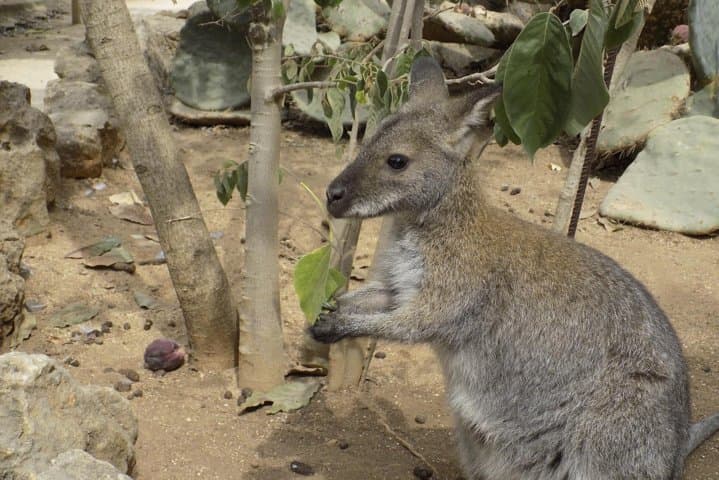
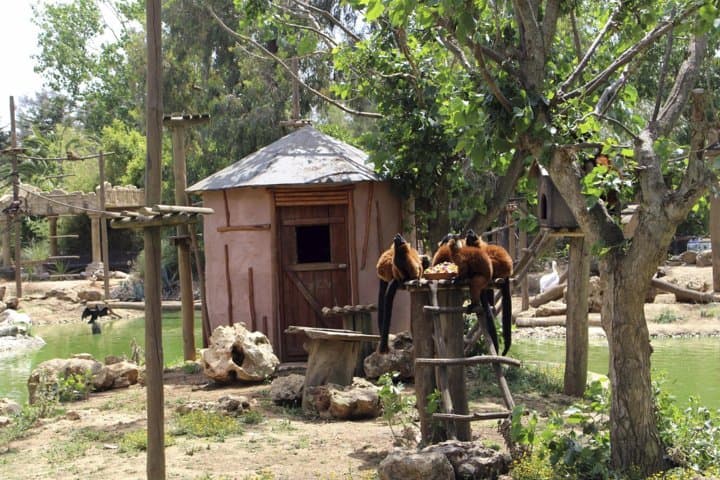
A visitor steps through a low stone gate and the air shifts—leaves stir like a curious audience, water in the park lakes daring you to follow its edge. At Lagos Zoo, paths thread between enclosures, birds call from planted groves, and the scale of habitat design makes the animals the focal point rather than spectacle.
A visitor steps through a low stone gate and the air shifts—leaves stir like a curious audience, water in the park lakes daring you to follow its edge. At Lagos Zoo, paths thread between enclosures, birds call from planted groves, and the scale of habitat design makes the animals the focal point rather than spectacle.
Opened formally on 16 November 2000 after construction began in the late 1990s, Lagos Zoo was conceived with welfare and education in mind. The park’s terrain is shaped into gentle terraces and small lakes; the Algarve’s limestone underlies the soil, lending a dry, warm feel to sunny exhibits and a naturalistic look to planted trees and local scrub.
Culturally, the zoo acts as a family destination—children’s farm areas and close-contact pens offer beginner-level wildlife encounters while signboards explain local conservation priorities. You’ll meet penguins dipping like punctuation marks, monkeys exploring branches, and keepers speaking plainly about species protection.
Practical guidance: the general admission ticket covers entry for a day—most visitors spend 2–4 hours. Paths are stroller- and wheelchair-friendly; wear comfortable shoes for gravel and gentle slopes. Bring water, sun protection in summer, and a light jacket for breezy mornings. Observe posted feeding rules and keep to viewing distances—feeding animals is prohibited.
Plan around feeding demonstrations to see active behavior, and allow time for the small farm and lakeside benches. Public transport reaches the park but many guests drive; parking is available. The zoo emphasizes education and conservation—leave no trace, use bins, and treat enclosures with respect to support ongoing care and protection.