THE ADVENTURE COLLECTIVE® · Independent discovery and booking for outdoor travel

A one-day high-altitude escape from Arequipa to the Laguna de Salinas, where flamingos, vicuñas and seasonal salt and water mirrors frame volcano reflections. This accessible tour combines wildlife viewing, colonial village stops and a soak in thermal springs.
A one-day high-altitude escape from Arequipa to the Laguna de Salinas, where flamingos, vicuñas and seasonal salt and water mirrors frame volcano reflections. This accessible tour combines wildlife viewing, colonial village stops and a soak in thermal springs.
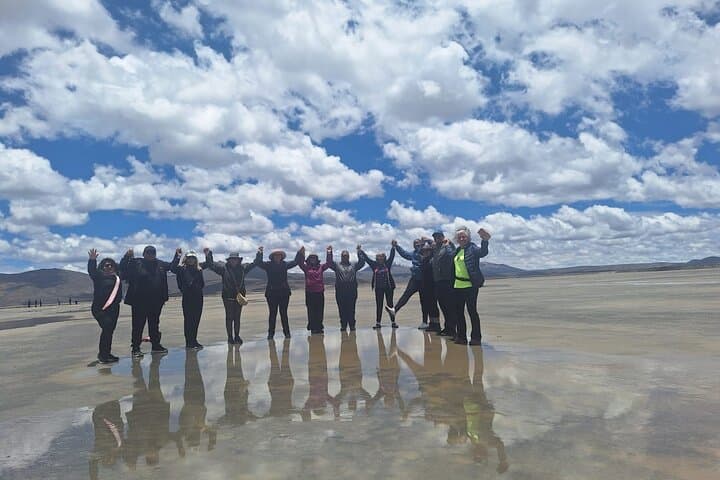
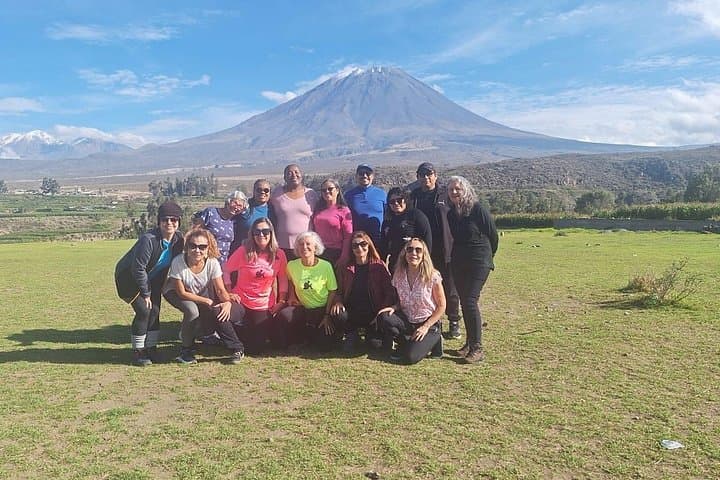
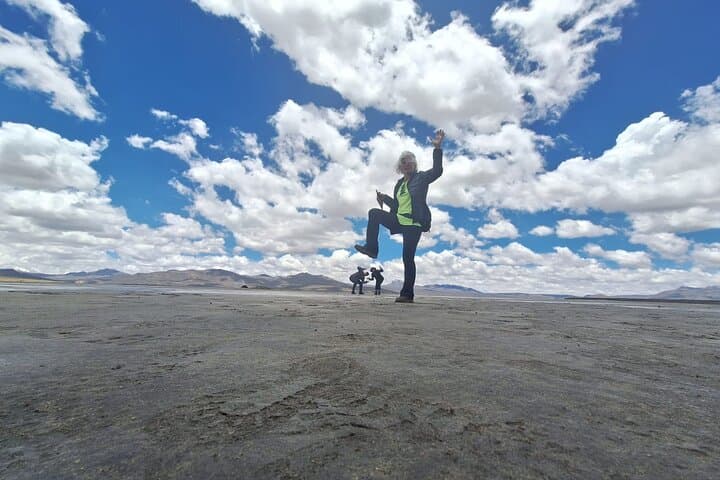
The bus eases out of Arequipa before dawn and the high plateau opens like a cold sea. At 4,000 m the air is thin and sharp; the first sight is often a mirage of water and white salt where volcanoes—Misti, Chachani, Pichu Pichu—stand like watchful cliffs reflected in still shallows. Flamingos feed with delicate patience, vicuñas and alpacas graze in the scrub, and the landscape alternates between black volcanic rock and a winterlike white crust.
Verified experiences and guided adventures in the surrounding area.
Operated by KALLPA TOURS S.A.C. · Arequipa, Arequipa
The bus eases out of Arequipa before dawn and the high plateau opens like a cold sea. At 4,000 m the air is thin and sharp; the first sight is often a mirage of water and white salt where volcanoes—Misti, Chachani, Pichu Pichu—stand like watchful cliffs reflected in still shallows. Flamingos feed with delicate patience, vicuñas and alpacas graze in the scrub, and the landscape alternates between black volcanic rock and a winterlike white crust.
This is the Puna ecosystem of southern Peru, shaped by uplift, volcanic activity and long cycles of evaporation that create salt pans and seasonal shallow lakes. The village near the lagoon preserves Andean colonial architecture and local foodways; expect quinoa juice, fresh bread and dishes like rocoto relleno and potato-based specialties at a traditional comedor. The thermal springs at Lojen are a geological afterthought—the region’s geothermal warmth seeping from volcanic roots at a comfortable 28–30°C.
Practically, the day is a mix of short guided walks, photography stops and time in a vehicle. Altitude is the main variable: plan a slow pace, hydrate, and avoid heavy exertion the first day. Bring layered clothing for sun, wind and cold, a good camera and sunscreen—the light at the salt flats is fierce. The hot springs offer genuine relaxation but are optional and rustic.
For photographers and nature lovers, the Lagoon of Salinas is a compact, high-altitude taste of the Andes: stark, bright and surprisingly intimate. With basic preparation it’s an accessible one-day escape from Arequipa into a landscape that both dares and rewards careful observation.
easy.
8–9 hours.
Light fitness adequate—mostly short walks and vehicle transfers; ability to tolerate 4,000 m altitude recommended.
The tour runs about 8–9 hours, typically departing early morning and returning to Arequipa mid-to-late afternoon (around 4:30pm).
Flamingos are often present but numbers vary seasonally; migratory patterns and water levels affect visibility—mornings and calm days improve chances and photos.
The springs are shallow and rustic; children can enjoy them under supervision but facilities are basic—bring towels and modest swimwear.
Yes—4,000 m can affect visitors. Acclimatize in Arequipa, hydrate, eat lightly, and notify the guide if you feel severe symptoms; the tour is considered low-exertion.
The high plains around Arequipa were shaped by pre-Inca pastoral communities and later Spanish colonial settlements; local villages retain weaving and livestock traditions tied to the puna.
The Puna is sensitive—stay on paths, avoid disturbing bird colonies, and use local guides who support community-based tourism and protection of fragile wetlands.
KALLPA TOURS S.A.C. operates guided outdoor trips and adventures with an emphasis on safety, stewardship, and memorable experiences.
The bus eases out of Arequipa before dawn and the high plateau opens like a cold sea. At 4,000 m the air is thin and sharp; the first sight is often a mirage of water and white salt where volcanoes—Misti, Chachani, Pichu Pichu—stand like watchful cliffs reflected in still shallows. Flamingos feed with delicate patience, vicuñas and alpacas graze in the scrub, and the landscape alternates between black volcanic rock and a winterlike white crust.
The bus eases out of Arequipa before dawn and the high plateau opens like a cold sea. At 4,000 m the air is thin and sharp; the first sight is often a mirage of water and white salt where volcanoes—Misti, Chachani, Pichu Pichu—stand like watchful cliffs reflected in still shallows. Flamingos feed with delicate patience, vicuñas and alpacas graze in the scrub, and the landscape alternates between black volcanic rock and a winterlike white crust.
This is the Puna ecosystem of southern Peru, shaped by uplift, volcanic activity and long cycles of evaporation that create salt pans and seasonal shallow lakes. The village near the lagoon preserves Andean colonial architecture and local foodways; expect quinoa juice, fresh bread and dishes like rocoto relleno and potato-based specialties at a traditional comedor. The thermal springs at Lojen are a geological afterthought—the region’s geothermal warmth seeping from volcanic roots at a comfortable 28–30°C.
Practically, the day is a mix of short guided walks, photography stops and time in a vehicle. Altitude is the main variable: plan a slow pace, hydrate, and avoid heavy exertion the first day. Bring layered clothing for sun, wind and cold, a good camera and sunscreen—the light at the salt flats is fierce. The hot springs offer genuine relaxation but are optional and rustic.
For photographers and nature lovers, the Lagoon of Salinas is a compact, high-altitude taste of the Andes: stark, bright and surprisingly intimate. With basic preparation it’s an accessible one-day escape from Arequipa into a landscape that both dares and rewards careful observation.