THE ADVENTURE COLLECTIVE® · Independent discovery and booking for outdoor travel

A 17-day overland loop from Delhi to Leh, Pangong, Nubra, Srinagar and Agra that stitches high-altitude landscapes, Buddhist monasteries, Kashmiri waterways and the Taj into a single expedition. Expect long drives, altitude acclimatization, camps by lakes and historic city stops.
A 17-day overland loop from Delhi to Leh, Pangong, Nubra, Srinagar and Agra that stitches high-altitude landscapes, Buddhist monasteries, Kashmiri waterways and the Taj into a single expedition. Expect long drives, altitude acclimatization, camps by lakes and historic city stops.
You step out of the airport into the thin, clear air of Leh and the landscape immediately tightens around you — wind-sculpted ridges, ochre cliffs, and a sky so close it feels like a dome. Days that follow move between extremes: salt-flat lakes that change color with the light, sand dunes in Nubra that hold cold, and the soft gardens and houseboat waterways of Srinagar.
Verified experiences and guided adventures in the surrounding area.
Operated by Agora Voyages Pvt. Ltd. · Leh, Ladakh
You step out of the airport into the thin, clear air of Leh and the landscape immediately tightens around you — wind-sculpted ridges, ochre cliffs, and a sky so close it feels like a dome. Days that follow move between extremes: salt-flat lakes that change color with the light, sand dunes in Nubra that hold cold, and the soft gardens and houseboat waterways of Srinagar.
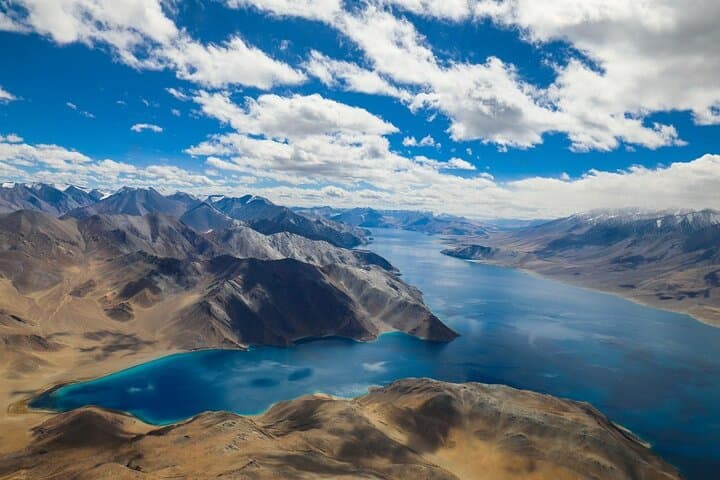
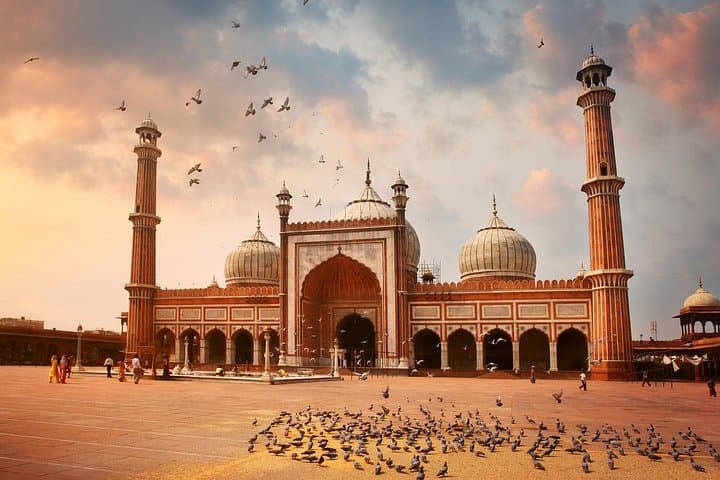
Geology here reads like a field guide to uplift and erosion: the trans-Himalayan ranges are ancient seabeds pushed skyward, jagged passes like Khardung La reaching above 5,300 m while Pangong sits glassy at 4,350 m. Culture is close to the surface too — Tibetan-Buddhist gompas punctuate the high valleys, while in Kashmir the Mughal influence appears in formal gardens and carved stonework. The Taj Mahal closes the loop, a marble punctuation on the plains of Agra.
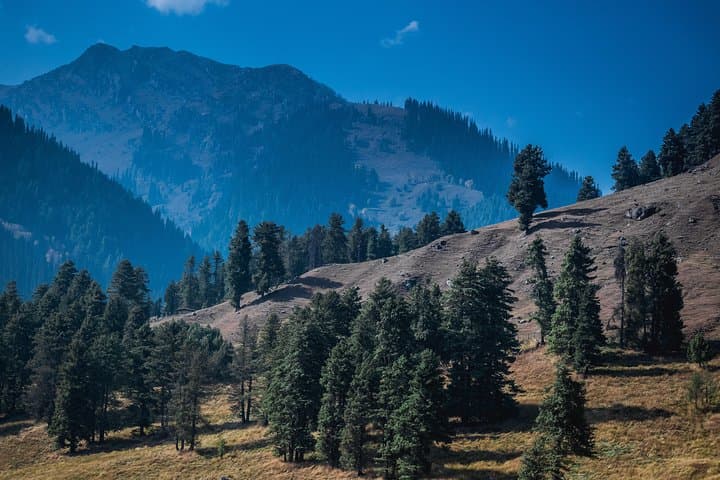
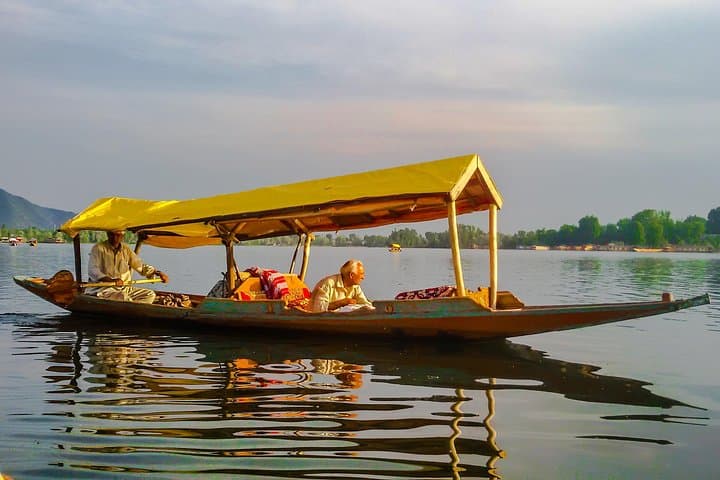
Expect long drives, sudden altitude shifts and short, concentrated hikes to viewpoints and monasteries. Acclimatization days in Leh matter; the itinerary includes key stops — Nubra’s Hunder dunes, Pangong’s shifting shoreline, Sonamarg’s alpine meadows, and a Shikara ride on Dal Lake — with modest camping nights near the lake.
Practical edge: carry layered insulation, a potent sun kit, and a refillable water system; inner-line permits are required for some Ladakh sectors and your tour operator ordinarily handles them. Plan for early starts to beat afternoon winds, keep pace slow on passes, and leave extra time in your schedule — road conditions and weather dictate the tempo here.
challenging.
17 days.
Travelers should have good baseline fitness for multi-hour drives, short hikes at altitude, and the ability to walk on uneven terrain; stamina aids recovery between long transit days.
Yes — Indian Inner Line Permits are required for some Ladakh areas; reputable tour operators generally arrange these before travel.
Symptoms vary; plan for light headaches and fatigue, allow 1–2 acclimatization days in Leh, stay hydrated and avoid rapid ascent.
The itinerary includes a mix of hotels, guest houses and camps; confirm your selected package as some options are upgradeable.
Late May to September is the main window when passes are open and roads are most reliable; winters are severe and many routes close.
Ladakh’s Buddhist culture grew from centuries of trade and exchange along Himalayan passes, while Kashmir’s gardens reflect Mughal-era horticultural design; Agra’s Taj was completed in the 17th century as a mausoleum of Mughal architecture.
High-traffic lakes and fragile alpine meadows require low-impact travel: stick to marked tracks, avoid single-use plastics, and follow local guidelines for camps to reduce pressure on scarce water and grazing areas.
Agora Voyages Pvt. Ltd. operates guided outdoor trips and adventures with an emphasis on safety, stewardship, and memorable experiences.
You step out of the airport into the thin, clear air of Leh and the landscape immediately tightens around you — wind-sculpted ridges, ochre cliffs, and a sky so close it feels like a dome. Days that follow move between extremes: salt-flat lakes that change color with the light, sand dunes in Nubra that hold cold, and the soft gardens and houseboat waterways of Srinagar.
You step out of the airport into the thin, clear air of Leh and the landscape immediately tightens around you — wind-sculpted ridges, ochre cliffs, and a sky so close it feels like a dome. Days that follow move between extremes: salt-flat lakes that change color with the light, sand dunes in Nubra that hold cold, and the soft gardens and houseboat waterways of Srinagar.
Geology here reads like a field guide to uplift and erosion: the trans-Himalayan ranges are ancient seabeds pushed skyward, jagged passes like Khardung La reaching above 5,300 m while Pangong sits glassy at 4,350 m. Culture is close to the surface too — Tibetan-Buddhist gompas punctuate the high valleys, while in Kashmir the Mughal influence appears in formal gardens and carved stonework. The Taj Mahal closes the loop, a marble punctuation on the plains of Agra.
Expect long drives, sudden altitude shifts and short, concentrated hikes to viewpoints and monasteries. Acclimatization days in Leh matter; the itinerary includes key stops — Nubra’s Hunder dunes, Pangong’s shifting shoreline, Sonamarg’s alpine meadows, and a Shikara ride on Dal Lake — with modest camping nights near the lake.
Practical edge: carry layered insulation, a potent sun kit, and a refillable water system; inner-line permits are required for some Ladakh sectors and your tour operator ordinarily handles them. Plan for early starts to beat afternoon winds, keep pace slow on passes, and leave extra time in your schedule — road conditions and weather dictate the tempo here.