THE ADVENTURE COLLECTIVE® · Independent discovery and booking for outdoor travel

Swim alongside whale sharks in small, guided groups off La Paz. This concise guide covers what to expect—seasonal timing, practical tips, and how the tours balance wildlife protection with unforgettable encounters.
Swim alongside whale sharks in small, guided groups off La Paz. This concise guide covers what to expect—seasonal timing, practical tips, and how the tours balance wildlife protection with unforgettable encounters.
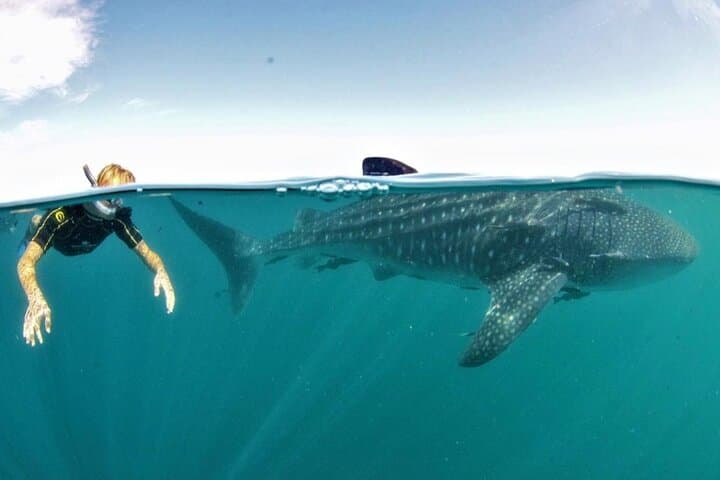
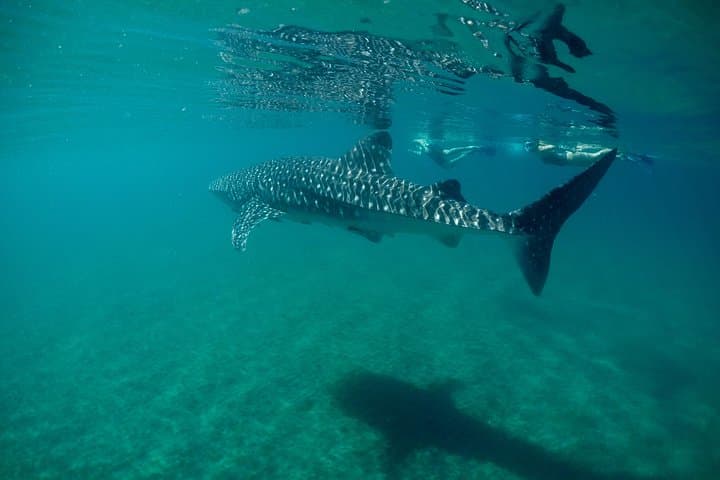
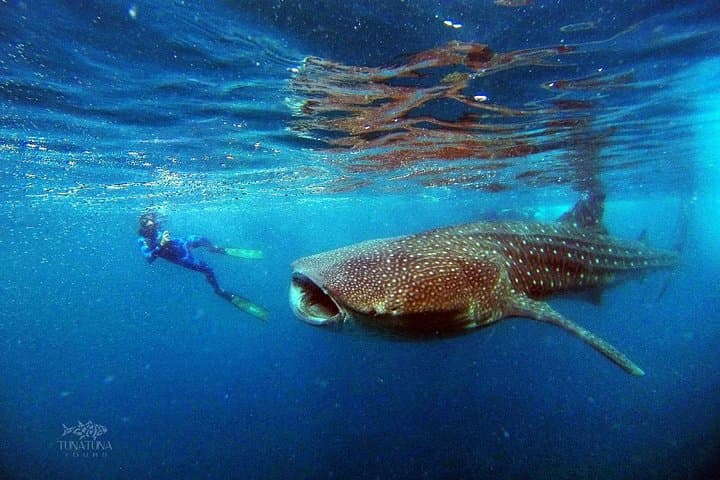
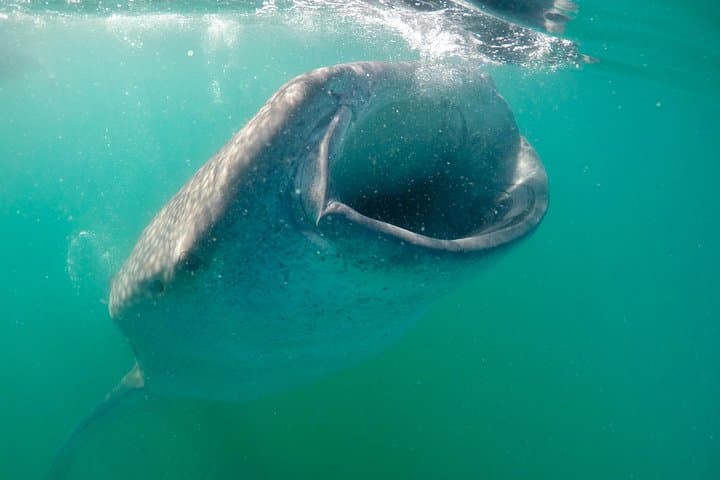
Morning light slices across the Sea of Cortez as the boat slips from La Paz marina and the water opens into a bright, living plain. Guides run a crisp safety briefing, wetsuits zip up, and the engine slows at the whale shark refuge: a place where the ocean’s largest fish glide at the surface, indifferent to the commotion around them and curious in a way that makes you forget the rest of the world.
Verified experiences and guided adventures in the surrounding area.
Operated by Tuna Tuna Tours · La Paz, Baja California Sur
Morning light slices across the Sea of Cortez as the boat slips from La Paz marina and the water opens into a bright, living plain. Guides run a crisp safety briefing, wetsuits zip up, and the engine slows at the whale shark refuge: a place where the ocean’s largest fish glide at the surface, indifferent to the commotion around them and curious in a way that makes you forget the rest of the world.
The Baja peninsula is a product of tectonic drama: the Gulf of California’s deep trenches and nutrient-rich upwelling support plankton blooms that draw plankton-eating whale sharks each season. La Paz’s coastline is shaped by fishing history and growing ecotourism—local captains balance livelihoods with regulations that limit boats and emphasize no-touch encounters.
Expect short boat runs from the marina, calm surface swims and brief drift sessions beside animals that feed at the surface. Water temperatures vary from cool winter wetsuits to warm summer skin swims; visibility is typically 10–25 meters depending on plankton. Guides enforce distance rules and rotate groups to minimize disturbance.
Practical tips: arrive hydrated, layer a thin wetsuit for cooler months, and practice buoyancy so you can keep pace without chasing. Morning turns tend to be flatter; photo and video teams often capture the encounter if you prefer to watch. This is a low-impact, high-reward marine wildlife experience—strict rules protect the animals and make your encounter safer and more memorable.
easy.
3 hours.
Basic swimming ability and comfort in open water; moderate stamina for short surface swims
Sightings are common during season but not guaranteed; operators work from a refuge area where encounters are historically frequent, and small-group limits increase your odds.
Participants should be comfortable in the water and able to float with a snorkel; children and non-swimmers may ride with restrictions—check with the operator before booking.
Rules include no touching, keeping distance, rotating swimmers, and no use of flash or close-up chasing—guides brief these before each turn.
Tours may cancel for bad weather or low visibility; standard policies allow full refund if canceled at least 24 hours in advance and operators will reschedule when possible.
La Paz evolved from fishing and pearl-diving roots into a research and ecotourism hub; local cooperatives now work with scientists to monitor aggregations.
A regulated permit system limits boats and enforces no-contact rules; choose operators that follow rotation and reporting protocols to minimize impact.
Tuna Tuna Tours operates guided outdoor trips and adventures with an emphasis on safety, stewardship, and memorable experiences.
Morning light slices across the Sea of Cortez as the boat slips from La Paz marina and the water opens into a bright, living plain. Guides run a crisp safety briefing, wetsuits zip up, and the engine slows at the whale shark refuge: a place where the ocean’s largest fish glide at the surface, indifferent to the commotion around them and curious in a way that makes you forget the rest of the world.
Morning light slices across the Sea of Cortez as the boat slips from La Paz marina and the water opens into a bright, living plain. Guides run a crisp safety briefing, wetsuits zip up, and the engine slows at the whale shark refuge: a place where the ocean’s largest fish glide at the surface, indifferent to the commotion around them and curious in a way that makes you forget the rest of the world.
The Baja peninsula is a product of tectonic drama: the Gulf of California’s deep trenches and nutrient-rich upwelling support plankton blooms that draw plankton-eating whale sharks each season. La Paz’s coastline is shaped by fishing history and growing ecotourism—local captains balance livelihoods with regulations that limit boats and emphasize no-touch encounters.
Expect short boat runs from the marina, calm surface swims and brief drift sessions beside animals that feed at the surface. Water temperatures vary from cool winter wetsuits to warm summer skin swims; visibility is typically 10–25 meters depending on plankton. Guides enforce distance rules and rotate groups to minimize disturbance.
Practical tips: arrive hydrated, layer a thin wetsuit for cooler months, and practice buoyancy so you can keep pace without chasing. Morning turns tend to be flatter; photo and video teams often capture the encounter if you prefer to watch. This is a low-impact, high-reward marine wildlife experience—strict rules protect the animals and make your encounter safer and more memorable.