THE ADVENTURE COLLECTIVE® · Independent discovery and booking for outdoor travel

Follow a paved 3 km loop through cloud forest to five cataracts, wildlife exhibits and native-plant displays at La Paz Waterfall Gardens. This full-day tour from San José combines accessible hiking, up-close bird encounters and a private wildlife refuge visit.
Follow a paved 3 km loop through cloud forest to five cataracts, wildlife exhibits and native-plant displays at La Paz Waterfall Gardens. This full-day tour from San José combines accessible hiking, up-close bird encounters and a private wildlife refuge visit.
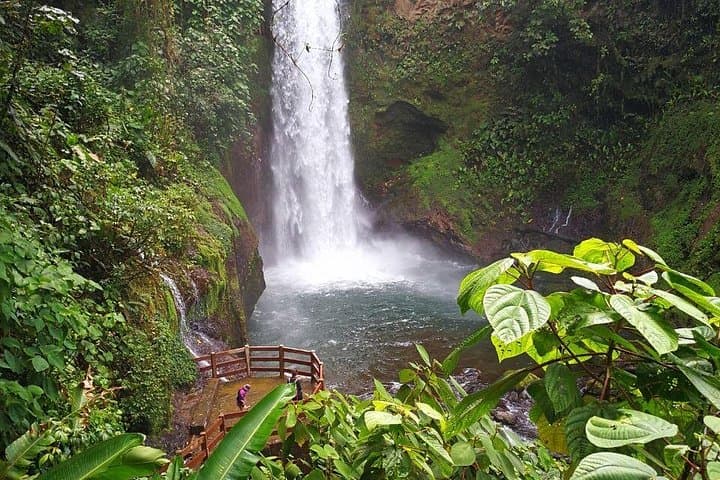
You step off the minivan into a cool breath of cloud-forest air and hear water long before you see it — a steady, insistent voice that pulls you along a paved trail. The La Paz Waterfall Gardens unfurl across a steep ravine: five cataracts plummeting through bands of volcanic rock, emerald moss and brawny ficus roots. Birds flash between heliconia and bromeliads while a bilingual guide points out toucans perched like punctuation marks.
Verified experiences and guided adventures in the surrounding area.
Operated by Destiny Travel Costa Rica · Vara Blanca, Alajuela
You step off the minivan into a cool breath of cloud-forest air and hear water long before you see it — a steady, insistent voice that pulls you along a paved trail. The La Paz Waterfall Gardens unfurl across a steep ravine: five cataracts plummeting through bands of volcanic rock, emerald moss and brawny ficus roots. Birds flash between heliconia and bromeliads while a bilingual guide points out toucans perched like punctuation marks.
The site is a private ecological refuge created to protect the rich biodiversity of the central volcanic range; its exhibits combine visitor education with on-site rescue and rehabilitation. Geologically the falls are fed by upland rains draining volcanic soils, carving clear plunge pools and sculpting basalt and tuff ledges. Culturally, the gardens sit in Alajuela Province near communities that farm coffee and tender crops upslope, and the park plays a role in local environmental education.
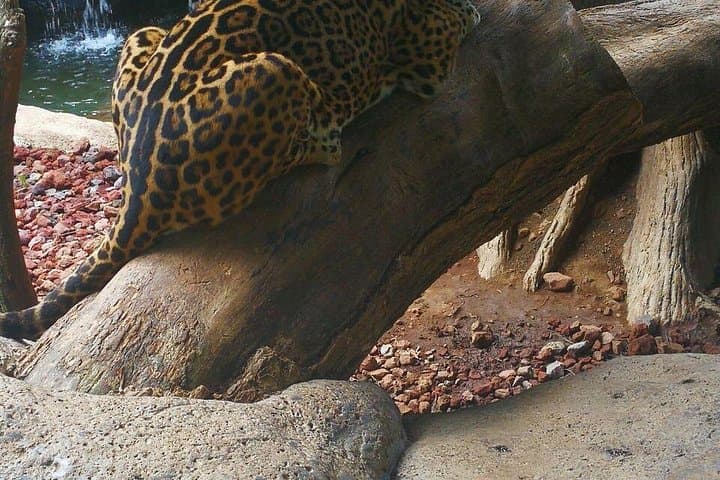
Expect a roughly 3-km paved loop with short stair sections and viewpoints that bring you to the base of the main cascade. Interpretive exhibits — a butterfly farm, serpentarium, hummingbird garden and a small feline refuge — punctuate the walk. Light comes fast in openings; early mornings are best for hummingbirds and cooler temps, afternoons for dramatic clouds and louder waterfalls.
Practical tips: wear breathable hiking shoes, bring a light rain shell and insect repellent, and budget time for wildlife exhibits and the included buffet lunch. The route is family-friendly but retains uneven steps; plan for 6–7 hours round-trip from San José including hotel pickup.
moderate.
7 hours.
Suitable for most active visitors who can walk 3 km with short stair sections; families welcome.
Yes — the tour includes hotel pickup and drop-off by air-conditioned minivan; confirm your pickup time the day before.
The paved loop is about 3 km (1.8 mi) with stairs and viewpoints; plan on moderate-intensity walking for 1–2 hours within the full-day tour.
Feeding is allowed only in designated areas under staff supervision (e.g., toucan or hummingbird stations); do not touch or feed animals elsewhere.
Yes — paths are generally stroller-accessible and the park is family-friendly, though some viewpoints have steps and uneven surfaces.
La Paz operates as a privately owned ecological refuge and visitor center focused on education and species rehabilitation in the central volcanic corridor.
The refuge runs rescue and rehabilitation programs and emphasizes staying on trails, limiting feeding to staff-led areas, and supporting local conservation education.
Destiny Travel Costa Rica operates guided outdoor trips and adventures with an emphasis on safety, stewardship, and memorable experiences.


You step off the minivan into a cool breath of cloud-forest air and hear water long before you see it — a steady, insistent voice that pulls you along a paved trail. The La Paz Waterfall Gardens unfurl across a steep ravine: five cataracts plummeting through bands of volcanic rock, emerald moss and brawny ficus roots. Birds flash between heliconia and bromeliads while a bilingual guide points out toucans perched like punctuation marks.
You step off the minivan into a cool breath of cloud-forest air and hear water long before you see it — a steady, insistent voice that pulls you along a paved trail. The La Paz Waterfall Gardens unfurl across a steep ravine: five cataracts plummeting through bands of volcanic rock, emerald moss and brawny ficus roots. Birds flash between heliconia and bromeliads while a bilingual guide points out toucans perched like punctuation marks.
The site is a private ecological refuge created to protect the rich biodiversity of the central volcanic range; its exhibits combine visitor education with on-site rescue and rehabilitation. Geologically the falls are fed by upland rains draining volcanic soils, carving clear plunge pools and sculpting basalt and tuff ledges. Culturally, the gardens sit in Alajuela Province near communities that farm coffee and tender crops upslope, and the park plays a role in local environmental education.
Expect a roughly 3-km paved loop with short stair sections and viewpoints that bring you to the base of the main cascade. Interpretive exhibits — a butterfly farm, serpentarium, hummingbird garden and a small feline refuge — punctuate the walk. Light comes fast in openings; early mornings are best for hummingbirds and cooler temps, afternoons for dramatic clouds and louder waterfalls.
Practical tips: wear breathable hiking shoes, bring a light rain shell and insect repellent, and budget time for wildlife exhibits and the included buffet lunch. The route is family-friendly but retains uneven steps; plan for 6–7 hours round-trip from San José including hotel pickup.