THE ADVENTURE COLLECTIVE® · Independent discovery and booking for outdoor travel

Explore La Paz on foot with a private guide: from Plaza Murillo’s political stage to the vivid Witches' Market and colonial churches. This two-hour walk pairs historical depth with practical tips for altitude, crowds, and respectful photography.
Explore La Paz on foot with a private guide: from Plaza Murillo’s political stage to the vivid Witches' Market and colonial churches. This two-hour walk pairs historical depth with practical tips for altitude, crowds, and respectful photography.
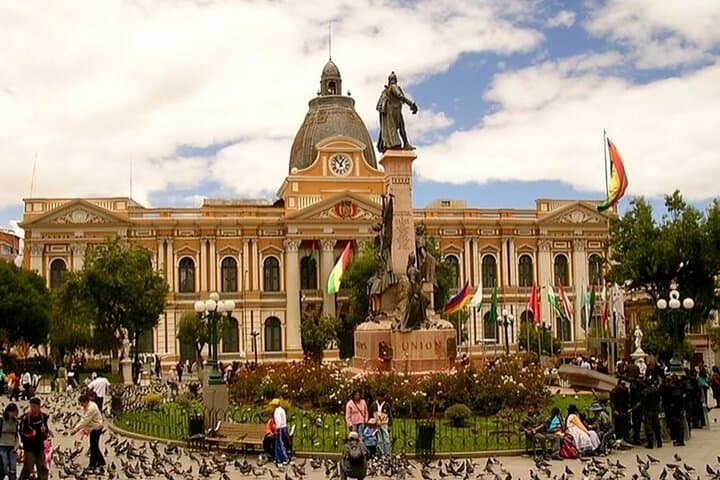
The tour begins with the city breathing around you — high Andean air that pushes at your lungs and a wind that tugs at scarves as you step into Plaza Murillo. Cobblestones click underfoot, where government buildings and carved facades frame a square that has seen revolutions and public gatherings for three centuries.
Verified experiences and guided adventures in the surrounding area.
Operated by Guydeez · La Paz, La Paz
The tour begins with the city breathing around you — high Andean air that pushes at your lungs and a wind that tugs at scarves as you step into Plaza Murillo. Cobblestones click underfoot, where government buildings and carved facades frame a square that has seen revolutions and public gatherings for three centuries.
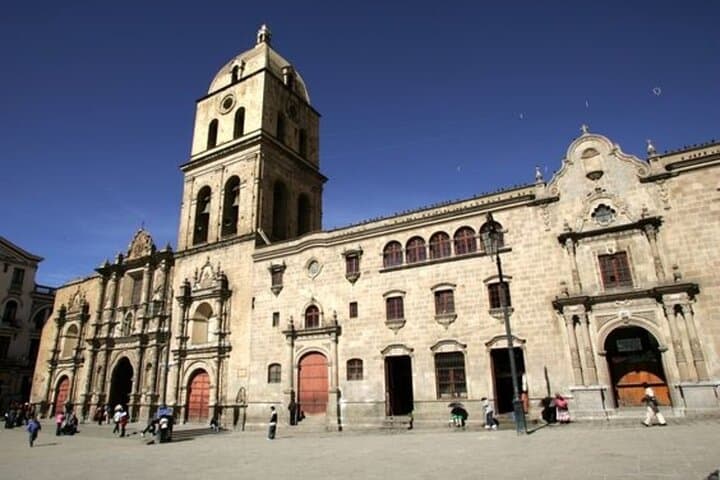
From there the route threads through colonial-era streets and vibrant market stalls. The San Francisco Church looms in mestizo baroque, its stonework telling of Spanish missions and indigenous adaptation. In the Witches' Market offerings of coca, dried herbs and ritual items display living Andean tradition; vendors explain practices that survived conquest. Nearby museum displays and memorials recount Bolivia's wars and the 20th-century struggles that reshaped its politics.
Geology subtly shapes the visit: La Paz sits in a canyon carved by the Choqueyapu River and rimmed by the Altiplano, so streets climb and fall, offering sudden viewpoints over the valley and the distant cordillera. Cultural contrasts — colonial churches beside indigenous stalls — provide constant context.
Practical guidance: the standard tour runs about two hours at a gentle walking pace but involves uneven pavement and short stair sections. Acclimate to altitude before intensive walking, drink water, and schedule the tour in the morning to avoid market crowds and afternoon traffic. Bring small bills for museum donations and market purchases and ask permission before photographing people or rituals.
A private guide shapes the route to your interests, blending concise history, local stories, and navigation through La Paz’s lively, layered streets.
easy.
2 hours.
Light walking fitness; participants should be comfortable standing and walking on uneven pavement for up to two hours.
The private tour is approximately two hours and covers central La Paz landmarks at a relaxed pace.
The route includes cobblestones and short stair sections; organizers note wheelchair accessibility but confirm specifics with the operator before booking.
Yes—La Paz sits above 3,500 m; allow a day to acclimatize, stay hydrated, and avoid heavy exertion if you feel unwell.
Yes—the private guide customizes the itinerary around your interests, such as history, markets, or cultural stops.
La Paz grew rapidly after Spanish colonization layered Catholic institutions over indigenous settlements; the city’s squares and memorials reflect centuries of political upheaval and indigenous resistance.
Tourism pressures and urban pollution affect fragile cultural sites—respect vendors, avoid buying items made from protected wildlife, and follow local proper-waste practices.
Guydeez operates guided outdoor trips and adventures with an emphasis on safety, stewardship, and memorable experiences.
The tour begins with the city breathing around you — high Andean air that pushes at your lungs and a wind that tugs at scarves as you step into Plaza Murillo. Cobblestones click underfoot, where government buildings and carved facades frame a square that has seen revolutions and public gatherings for three centuries.
The tour begins with the city breathing around you — high Andean air that pushes at your lungs and a wind that tugs at scarves as you step into Plaza Murillo. Cobblestones click underfoot, where government buildings and carved facades frame a square that has seen revolutions and public gatherings for three centuries.
From there the route threads through colonial-era streets and vibrant market stalls. The San Francisco Church looms in mestizo baroque, its stonework telling of Spanish missions and indigenous adaptation. In the Witches' Market offerings of coca, dried herbs and ritual items display living Andean tradition; vendors explain practices that survived conquest. Nearby museum displays and memorials recount Bolivia's wars and the 20th-century struggles that reshaped its politics.
Geology subtly shapes the visit: La Paz sits in a canyon carved by the Choqueyapu River and rimmed by the Altiplano, so streets climb and fall, offering sudden viewpoints over the valley and the distant cordillera. Cultural contrasts — colonial churches beside indigenous stalls — provide constant context.
Practical guidance: the standard tour runs about two hours at a gentle walking pace but involves uneven pavement and short stair sections. Acclimate to altitude before intensive walking, drink water, and schedule the tour in the morning to avoid market crowds and afternoon traffic. Bring small bills for museum donations and market purchases and ask permission before photographing people or rituals.
A private guide shapes the route to your interests, blending concise history, local stories, and navigation through La Paz’s lively, layered streets.