THE ADVENTURE COLLECTIVE® · Independent discovery and booking for outdoor travel

Travel from La Paz across the high-altitude altiplano to the enigmatic ruins of Tiwanaku, then continue to Lake Titicaca for a totora-boat ride and lakeside culture. This private day tour blends archaeology, Aymara traditions and striking Andean landscapes.
Travel from La Paz across the high-altitude altiplano to the enigmatic ruins of Tiwanaku, then continue to Lake Titicaca for a totora-boat ride and lakeside culture. This private day tour blends archaeology, Aymara traditions and striking Andean landscapes.
A crisp Andean morning sets the tone: your guide meets you in La Paz as the city’s steep streets fall away and the road climbs onto the high-altitude altiplano. Wind sculpts the grasslands, and the silhouette of distant stonework appears before the shore of a vast, bright lake. Tiwanaku’s stone plazas rise from the flat plain like a carefully arranged puzzle—massive carved blocks, the Gate of the Sun, and weathered monoliths that still challenge modern explanations.
Verified experiences and guided adventures in the surrounding area.
Operated by Mundicontact Expeditions · La Paz, La Paz
A crisp Andean morning sets the tone: your guide meets you in La Paz as the city’s steep streets fall away and the road climbs onto the high-altitude altiplano. Wind sculpts the grasslands, and the silhouette of distant stonework appears before the shore of a vast, bright lake. Tiwanaku’s stone plazas rise from the flat plain like a carefully arranged puzzle—massive carved blocks, the Gate of the Sun, and weathered monoliths that still challenge modern explanations.
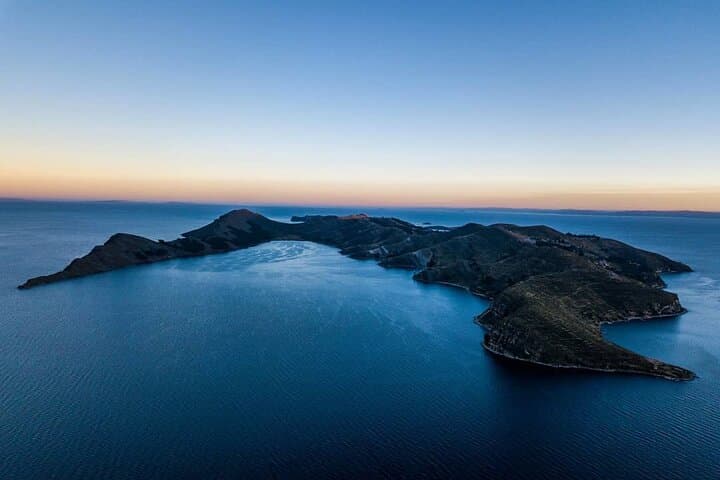
Tiwanaku predates the Inca, flourishing between roughly 500–1000 AD as a ceremonial and political center; its masonry and axis-aligned plazas reflect advanced stoneworking and ritual astronomy. Geologically the route crosses the Bolivian altiplano, a high tectonic basin where Lake Titicaca—at about 3,812 meters—holds freshwater born of glacier-fed rivers and seasonal rains.
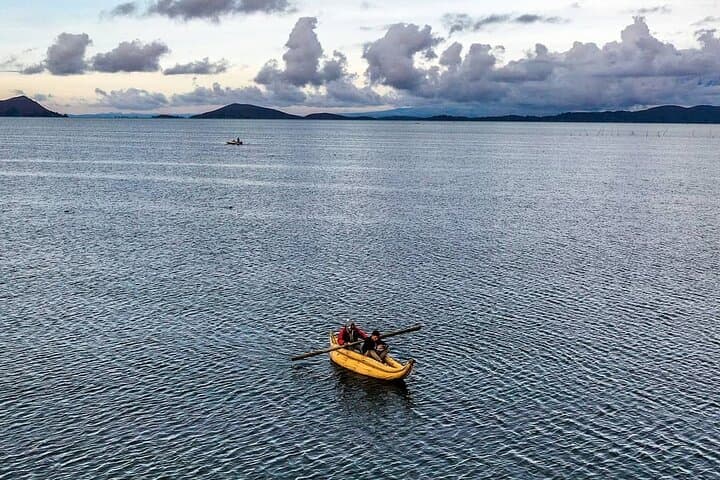
Culturally the day moves from archaeology to living tradition: lunch in a village introduces Aymara flavors and coca tea, and in Huatajata you’ll meet artisans who harvest totora and craft reed boats still used on the lake.
Practical note: this is a private 7–8 hour outing with hotel pickup at ~8:00 AM and return mid-afternoon. Wear warm layers, sun protection, and comfortable walking shoes; expect uneven stone surfaces at Tiwanaku and a short totora-boat ride on the lake. Guides, transport, entrances, refreshments and lunch are included, but altitude awareness is essential—take it slow, hydrate, and carry any medication you need.
moderate.
7–8 hours.
Suitable for travelers with moderate fitness; expect short walks on uneven archaeological stone and a brief, gentle boat ride—altitude tolerance is the main requirement.
The private tour runs about 7–8 hours with hotel pickup in La Paz around 8:00 AM and returns mid-afternoon (approximately 4:00 PM).
Yes—Tiwanaku and Lake Titicaca sit above 3,800 m; allow time to acclimatize in La Paz, avoid heavy exertion, sip water, and consider preventive medication if advised by your doctor.
Yes—entrances to listed sites, a local lunch, snacks, water, hot drinks (including coca tea), and private transport are included in the tour price.
The operator lists wheelchair accessibility for parts of the trip, but some uneven surfaces at the ruins and boat boarding may limit access—confirm specific needs when booking.
Tiwanaku was a major pre-Inca ceremonial center (roughly 500–1000 AD) known for precise stonecutting and large public plazas that aligned with ritual and astronomical practices.
Tourism affects fragile archaeological stonework and reed-harvesting practices; support local guides, avoid climbing on fragile ruins, and respect reed-harvest cycles to reduce impact.
Mundicontact Expeditions operates guided outdoor trips and adventures with an emphasis on safety, stewardship, and memorable experiences.
A crisp Andean morning sets the tone: your guide meets you in La Paz as the city’s steep streets fall away and the road climbs onto the high-altitude altiplano. Wind sculpts the grasslands, and the silhouette of distant stonework appears before the shore of a vast, bright lake. Tiwanaku’s stone plazas rise from the flat plain like a carefully arranged puzzle—massive carved blocks, the Gate of the Sun, and weathered monoliths that still challenge modern explanations.
A crisp Andean morning sets the tone: your guide meets you in La Paz as the city’s steep streets fall away and the road climbs onto the high-altitude altiplano. Wind sculpts the grasslands, and the silhouette of distant stonework appears before the shore of a vast, bright lake. Tiwanaku’s stone plazas rise from the flat plain like a carefully arranged puzzle—massive carved blocks, the Gate of the Sun, and weathered monoliths that still challenge modern explanations.
Tiwanaku predates the Inca, flourishing between roughly 500–1000 AD as a ceremonial and political center; its masonry and axis-aligned plazas reflect advanced stoneworking and ritual astronomy. Geologically the route crosses the Bolivian altiplano, a high tectonic basin where Lake Titicaca—at about 3,812 meters—holds freshwater born of glacier-fed rivers and seasonal rains.
Culturally the day moves from archaeology to living tradition: lunch in a village introduces Aymara flavors and coca tea, and in Huatajata you’ll meet artisans who harvest totora and craft reed boats still used on the lake.
Practical note: this is a private 7–8 hour outing with hotel pickup at ~8:00 AM and return mid-afternoon. Wear warm layers, sun protection, and comfortable walking shoes; expect uneven stone surfaces at Tiwanaku and a short totora-boat ride on the lake. Guides, transport, entrances, refreshments and lunch are included, but altitude awareness is essential—take it slow, hydrate, and carry any medication you need.