THE ADVENTURE COLLECTIVE® · Independent discovery and booking for outdoor travel

Explore La Paz on a private, customizable walking tour led by a local guide. Skip generic highlights for neighborhood stories, market culture, and high-altitude practicalities tailored to your interests.
Explore La Paz on a private, customizable walking tour led by a local guide. Skip generic highlights for neighborhood stories, market culture, and high-altitude practicalities tailored to your interests.
You step from a narrow street into light so sharp it seems to clarify the city’s edges: alleys fall away into a bowl, painted houses climb terraces, and the cable cars hum above like cable-borne birds. A local guide meets you—maps folded into memory—and the city begins to reveal itself through everyday rhythms: vendors calling, the high-altitude sun pressing warm, the wind through the valley nudging you toward viewpoints.
Verified experiences and guided adventures in the surrounding area.
Operated by Guydeez · La Paz, La Paz Department
You step from a narrow street into light so sharp it seems to clarify the city’s edges: alleys fall away into a bowl, painted houses climb terraces, and the cable cars hum above like cable-borne birds. A local guide meets you—maps folded into memory—and the city begins to reveal itself through everyday rhythms: vendors calling, the high-altitude sun pressing warm, the wind through the valley nudging you toward viewpoints.
La Paz sits on the Altiplano where indigenous Aymara culture and colonial architecture intermingle. Tours typically visit Plaza Murillo’s political heart, the Museum of Musical Instruments, and the Witches Market where yatiris sell herbs and ritual items; Valle de la Luna’s eroded clay spires lie a short drive away and show the city’s geological edge—soft clays carved by water and wind.
A private walking tour here trades rote lists of dates for local stories about markets, neighborhood politics, and living at 3,600+ meters. Guides point out practical cultural notes—how to bargain, where to try salteñas—and logistical realities: steep slopes, sudden sun, and thinner air.
Plan for 2–4 hours on foot, comfortable shoes, small cash for stalls, and an extra layer for gusts that sweep down the valley. For deeper stops like Valle de la Luna request a vehicle; otherwise the customized walk gives a concentrated, human-scale view of La Paz—a city that prefers to be explored at walking speed but always with awareness of altitude.
easy.
3 hours.
Moderate mobility required—suitable for most fitness levels but expect uphill stretches and stairways at altitude
Yes—operators note wheelchair and stroller accessibility for central areas; confirm pickup and specific route in advance to ensure accessibility at each stop.
The standard duration is about three hours with moderate walking and short uphill sections; routes are customized to your pace and interests.
Valle de la Luna is ~10 km from downtown and usually requires a short vehicle transfer; request this in advance so timing and transport can be arranged.
Tipping is customary for private guides when service is good—consider 10–15% of the tour cost or a comparable local amount based on satisfaction.
La Paz developed as an indigenous Aymara and colonial center on the Altiplano; today it functions as Bolivia’s administrative capital with layers of political history concentrated around Plaza Murillo.
High-altitude soils and Valle de la Luna’s clay formations are fragile—stay on paths, avoid trampling spires, and support local guides who follow conservation-minded routes.
Guydeez operates guided outdoor trips and adventures with an emphasis on safety, stewardship, and memorable experiences.
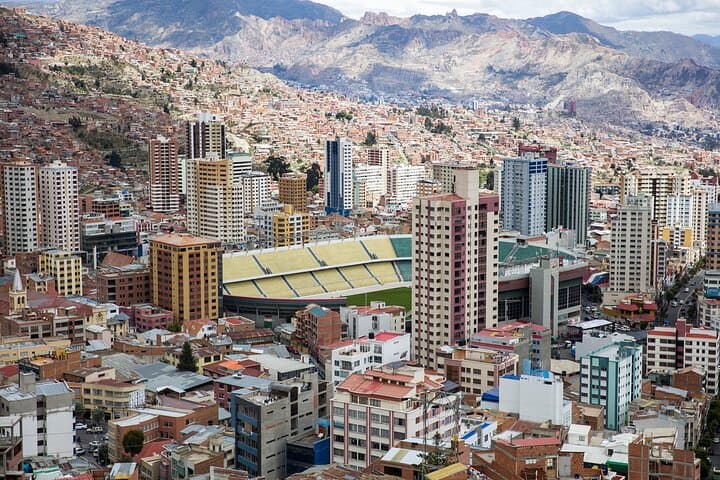
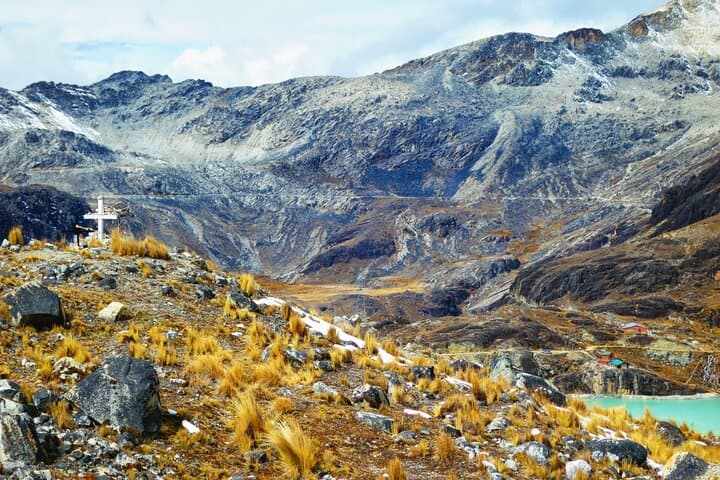

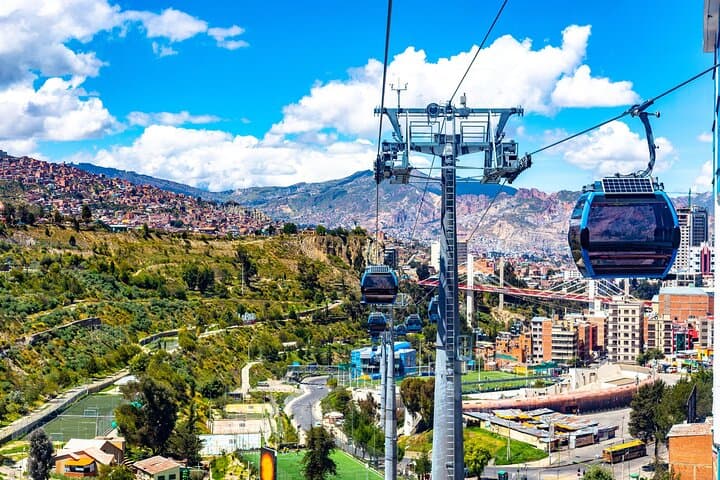
You step from a narrow street into light so sharp it seems to clarify the city’s edges: alleys fall away into a bowl, painted houses climb terraces, and the cable cars hum above like cable-borne birds. A local guide meets you—maps folded into memory—and the city begins to reveal itself through everyday rhythms: vendors calling, the high-altitude sun pressing warm, the wind through the valley nudging you toward viewpoints.
You step from a narrow street into light so sharp it seems to clarify the city’s edges: alleys fall away into a bowl, painted houses climb terraces, and the cable cars hum above like cable-borne birds. A local guide meets you—maps folded into memory—and the city begins to reveal itself through everyday rhythms: vendors calling, the high-altitude sun pressing warm, the wind through the valley nudging you toward viewpoints.
La Paz sits on the Altiplano where indigenous Aymara culture and colonial architecture intermingle. Tours typically visit Plaza Murillo’s political heart, the Museum of Musical Instruments, and the Witches Market where yatiris sell herbs and ritual items; Valle de la Luna’s eroded clay spires lie a short drive away and show the city’s geological edge—soft clays carved by water and wind.
A private walking tour here trades rote lists of dates for local stories about markets, neighborhood politics, and living at 3,600+ meters. Guides point out practical cultural notes—how to bargain, where to try salteñas—and logistical realities: steep slopes, sudden sun, and thinner air.
Plan for 2–4 hours on foot, comfortable shoes, small cash for stalls, and an extra layer for gusts that sweep down the valley. For deeper stops like Valle de la Luna request a vehicle; otherwise the customized walk gives a concentrated, human-scale view of La Paz—a city that prefers to be explored at walking speed but always with awareness of altitude.