THE ADVENTURE COLLECTIVE® · Independent discovery and booking for outdoor travel

Ride La Paz’s soaring cable cars, explore the Witches' Market, and trek the lunar spires of Valle de la Luna on a compact half-day tour. Expect sharp light, thin air and urban-to-wild contrasts in just four hours.
Ride La Paz’s soaring cable cars, explore the Witches' Market, and trek the lunar spires of Valle de la Luna on a compact half-day tour. Expect sharp light, thin air and urban-to-wild contrasts in just four hours.
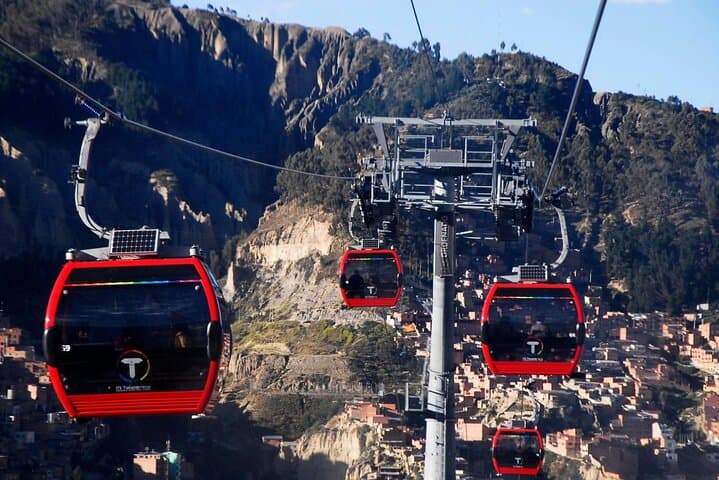
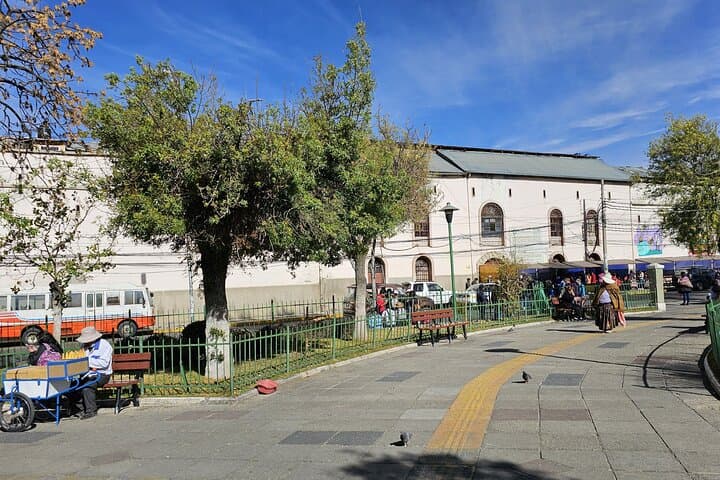
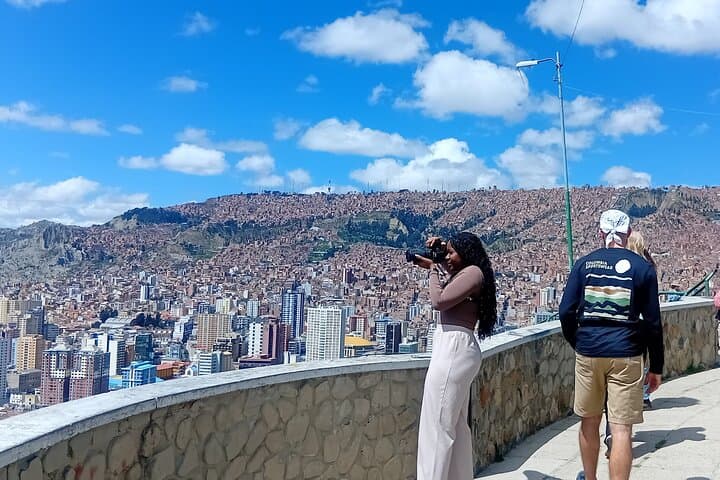
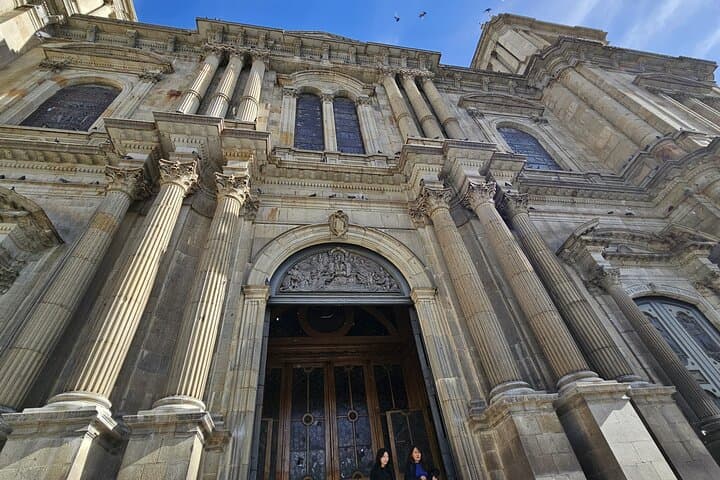
You step out above the bowl of La Paz with the city spread like a living model beneath the cable cars — tin roofs, steep streets and the high Andes folding away to the west. The guide ushers you past Plaza San Pedro where the prison’s hard façade arrests attention, then through Plaza Murillo, the civic heart with government buildings that frame Bolivia’s modern story.
Verified experiences and guided adventures in the surrounding area.
Operated by On Experiences · La Paz, La Paz
You step out above the bowl of La Paz with the city spread like a living model beneath the cable cars — tin roofs, steep streets and the high Andes folding away to the west. The guide ushers you past Plaza San Pedro where the prison’s hard façade arrests attention, then through Plaza Murillo, the civic heart with government buildings that frame Bolivia’s modern story.
The Witches' Market introduces Aymara belief and practical ritual: dried herbs, llama fetuses for offerings and vendors who explain long-held customs. From concrete and commerce you ascend into the air on La Paz’s teleférico, a gondola network engineered to span dramatic elevation change; the lines thread neighborhoods and offer repeated vantage points of the altiplano. The route ends in Valle de la Luna, where wind and water have carved spires of silt and clay into lunar ridges that dare you to pick a route among them.
Geology here is recent and raw — soft sediment eroded into pinnacles — while the city’s layout reflects colonial grids overlaid on indigenous movement. Cultural notes: La Paz is Bolivia’s seat of government and a living center of Aymara language and commerce.
Practical guidance: expect four hours total, moderate walking on uneven ground, and sharp sun at altitude. Hydrate before the trek, wear layers for rapid temperature swings, use sturdy shoes for loose soil and keep cameras ready but respect local rules at San Pedro. The teleférico is fast and efficient; pick morning or late afternoon for the best light and fewer crowds.
easy.
4 hours.
Suitable for most fitness levels but requires basic mobility and some acclimatization to high altitude.
The tour is marked easy but not recommended for those unacclimatized; allow time to adjust in La Paz, stay hydrated and inform the operator of any health concerns.
Yes — the tour includes tickets for two lines of the teleférico during the itinerary as stated in the inclusions.
No — photography at San Pedro is prohibited and local police may enforce the rule; follow your guide’s instructions.
Yes — private pickup from central La Paz hotels is included; the operator requests you confirm pickup point when booking.
La Paz grew rapidly after its 1548 founding and became Bolivia’s seat of government; its urban fabric mixes colonial plazas with indigenous markets that still govern daily life.
Valle de la Luna’s fragile silt formations erode easily; stay on designated paths, carry out waste and avoid touching fragile pinnacles to limit human impact.
On Experiences operates guided outdoor trips and adventures with an emphasis on safety, stewardship, and memorable experiences.
You step out above the bowl of La Paz with the city spread like a living model beneath the cable cars — tin roofs, steep streets and the high Andes folding away to the west. The guide ushers you past Plaza San Pedro where the prison’s hard façade arrests attention, then through Plaza Murillo, the civic heart with government buildings that frame Bolivia’s modern story.
You step out above the bowl of La Paz with the city spread like a living model beneath the cable cars — tin roofs, steep streets and the high Andes folding away to the west. The guide ushers you past Plaza San Pedro where the prison’s hard façade arrests attention, then through Plaza Murillo, the civic heart with government buildings that frame Bolivia’s modern story.
The Witches' Market introduces Aymara belief and practical ritual: dried herbs, llama fetuses for offerings and vendors who explain long-held customs. From concrete and commerce you ascend into the air on La Paz’s teleférico, a gondola network engineered to span dramatic elevation change; the lines thread neighborhoods and offer repeated vantage points of the altiplano. The route ends in Valle de la Luna, where wind and water have carved spires of silt and clay into lunar ridges that dare you to pick a route among them.
Geology here is recent and raw — soft sediment eroded into pinnacles — while the city’s layout reflects colonial grids overlaid on indigenous movement. Cultural notes: La Paz is Bolivia’s seat of government and a living center of Aymara language and commerce.
Practical guidance: expect four hours total, moderate walking on uneven ground, and sharp sun at altitude. Hydrate before the trek, wear layers for rapid temperature swings, use sturdy shoes for loose soil and keep cameras ready but respect local rules at San Pedro. The teleférico is fast and efficient; pick morning or late afternoon for the best light and fewer crowds.