THE ADVENTURE COLLECTIVE® · Independent discovery and booking for outdoor travel

Explore the Villacañas lagoon complex on a focused four‑hour birding tour through La Mancha's protected wetlands. Learn local ecology, spot migratory and resident species, and get practical guidance for the best viewing times.
Explore the Villacañas lagoon complex on a focused four‑hour birding tour through La Mancha's protected wetlands. Learn local ecology, spot migratory and resident species, and get practical guidance for the best viewing times.
A low sun lifts off the salt flats as your guide leads you along a rutted track into the Villacañas lagoon complex. Reeds edge forward and a marsh harrier slices the open air; shallow pools mirror a wide sky and the first waders map quiet arcs across the water.
Verified experiences and guided adventures in the surrounding area.
Operated by BIRDING LA MANCHA, S.L. · Villacañas, Toledo
A low sun lifts off the salt flats as your guide leads you along a rutted track into the Villacañas lagoon complex. Reeds edge forward and a marsh harrier slices the open air; shallow pools mirror a wide sky and the first waders map quiet arcs across the water.
The La Mancha wetlands sit on a flat Mesete plateau shaped by endorheic basins and historical salt pans. These shallow lagoons—Laguna Larga, Peña Hueca, Tirez, La Redondilla and La Gramosa—are part of ZEPA/LIC protections and have supported grazing, seasonal salt extraction and bird migration routes for centuries. The human story here blends agricultural practice with the literary reach of Don Quixote across the plains.
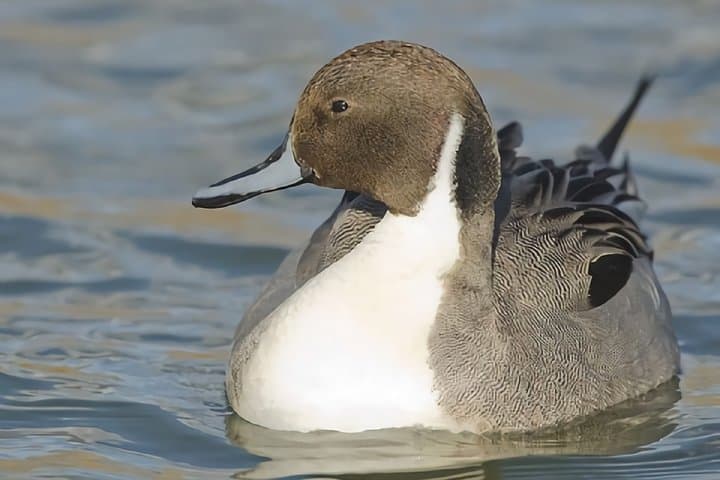
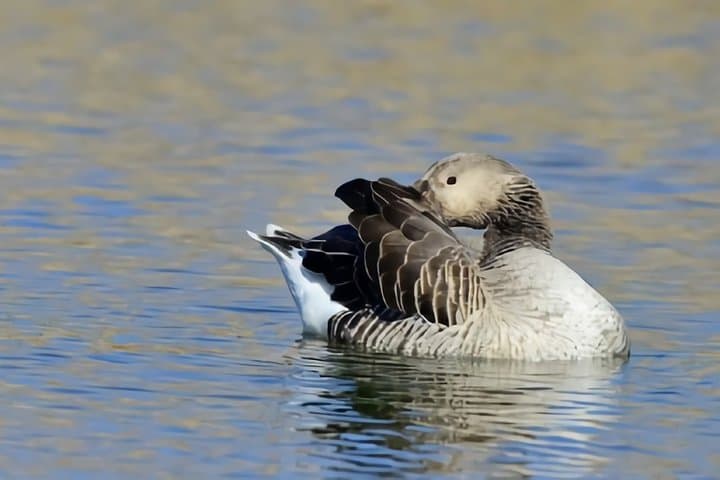
This four-hour guided tour moves between hides and short, mostly flat paths. Expect concentrated spotting with binoculars and scopes supplied by many guides, plus commentary on species, seasonal movements and local ecology. Look for white-headed duck (Malvasía), marsh harrier (aguilucho lagunero), ruff and various sandpipers, and the grey heron—presence varies by season.
Practical guidance: start at or just before dawn for the most activity, bring sun protection and layered clothing for wind and temperature swings, and choose closed shoes for muddy margins. In summer, insect repellent is useful; in spring and autumn, migration windows deliver the richest lists. Groups are small (4–14) and the route is largely accessible, but confirm mobility needs when booking. The experience is a measured mix of quiet observation, hands-on learning and direct contact with a fragile, protected landscape.
easy.
4 hours.
Suitable for most fitness levels; expect short flat walks and standing at hides
The guided visit runs about four hours, moving between several lagoons with stops at hides.
Paths and transport are described as wheelchair accessible, but confirm specific needs with the operator when booking.
Common targets include white-headed duck (Malvasía), marsh harrier, ruff, small sandpipers and grey heron; presence depends on season and water levels.
Tours run as private groups for 4–14 people; check cancellation terms—operators may cancel in bad weather.
La Mancha's lagoons formed in endorheic basins and supported seasonal salt extraction and transhumant grazing; the open plains also feature in the region's Don Quixote cultural landscape.
The lagoon complex is designated ZEPA/LIC to protect migratory birds; visitors should stay on paths, avoid feeding wildlife and follow guide instructions to minimize disturbance.
BIRDING LA MANCHA, S.L. operates guided outdoor trips and adventures with an emphasis on safety, stewardship, and memorable experiences.


A low sun lifts off the salt flats as your guide leads you along a rutted track into the Villacañas lagoon complex. Reeds edge forward and a marsh harrier slices the open air; shallow pools mirror a wide sky and the first waders map quiet arcs across the water.
A low sun lifts off the salt flats as your guide leads you along a rutted track into the Villacañas lagoon complex. Reeds edge forward and a marsh harrier slices the open air; shallow pools mirror a wide sky and the first waders map quiet arcs across the water.
The La Mancha wetlands sit on a flat Mesete plateau shaped by endorheic basins and historical salt pans. These shallow lagoons—Laguna Larga, Peña Hueca, Tirez, La Redondilla and La Gramosa—are part of ZEPA/LIC protections and have supported grazing, seasonal salt extraction and bird migration routes for centuries. The human story here blends agricultural practice with the literary reach of Don Quixote across the plains.
This four-hour guided tour moves between hides and short, mostly flat paths. Expect concentrated spotting with binoculars and scopes supplied by many guides, plus commentary on species, seasonal movements and local ecology. Look for white-headed duck (Malvasía), marsh harrier (aguilucho lagunero), ruff and various sandpipers, and the grey heron—presence varies by season.
Practical guidance: start at or just before dawn for the most activity, bring sun protection and layered clothing for wind and temperature swings, and choose closed shoes for muddy margins. In summer, insect repellent is useful; in spring and autumn, migration windows deliver the richest lists. Groups are small (4–14) and the route is largely accessible, but confirm mobility needs when booking. The experience is a measured mix of quiet observation, hands-on learning and direct contact with a fragile, protected landscape.