THE ADVENTURE COLLECTIVE® · Independent discovery and booking for outdoor travel

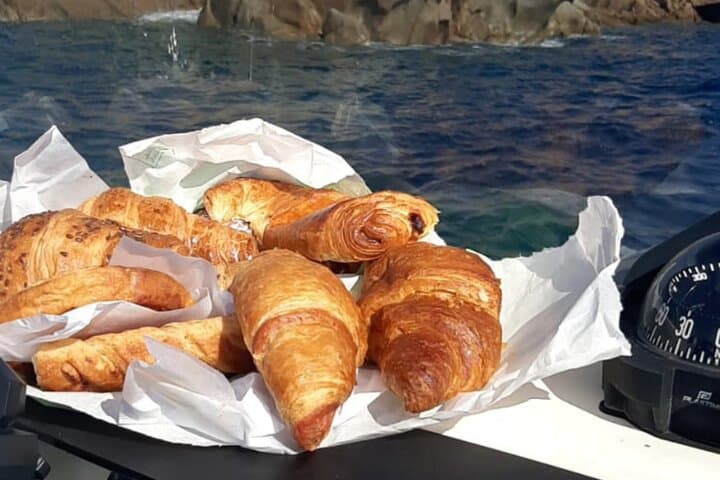
Spend a morning diving two of Sardinia’s most protected marine areas: La Maddalena and the Lavezzi islets. Guided two-tank dives explore posidonia meadows, granite walls, and abundant Mediterranean life — all launched from Palau with a light Italian breakfast on board.
Spend a morning diving two of Sardinia’s most protected marine areas: La Maddalena and the Lavezzi islets. Guided two-tank dives explore posidonia meadows, granite walls, and abundant Mediterranean life — all launched from Palau with a light Italian breakfast on board.
The boat eases off Palau’s quay and the coastline shrinks to a line of pink granite; salt and diesel mix in the air while the skipper points toward the islands. Within an hour the water goes from green to a clear Mediterranean blue, and the first descent drops into meadows of Posidonia where groupers and barracudas patrol like slow, curious sentries.
Verified experiences and guided adventures in the surrounding area.
Operated by Scuba Point - Padi 5 Star Dive Resort · Palau, Sardinia
The boat eases off Palau’s quay and the coastline shrinks to a line of pink granite; salt and diesel mix in the air while the skipper points toward the islands. Within an hour the water goes from green to a clear Mediterranean blue, and the first descent drops into meadows of Posidonia where groupers and barracudas patrol like slow, curious sentries.
This stretch of sea sits inside two long-protected marine areas: the La Maddalena Archipelago National Park (est. 1994) and the granitic islets around Lavezzi. Geology here is unapologetically bold — exposed granite sculpted by wind and waves — and underwater you’ll find walls draped in red gorgonians and fields of seagrass that anchor the food web.
Culturally, Palau and nearby islands grew around fishing and small-scale maritime trade; today they balance tourism with strict marine regulations. Expect dives on sheltered pinnacles, swim-throughs, and posidonia flats where nudibranchs and amberjacks appear with equal frequency. Conditions vary: guides select sites from a catalogue of 60+ options based on wind and current.
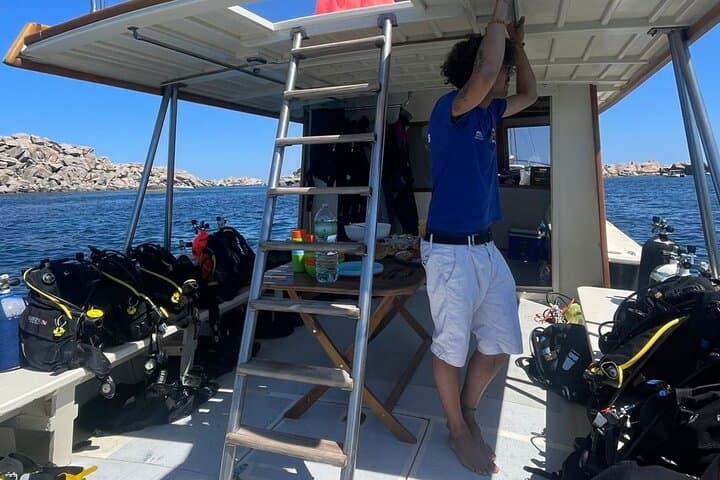
Practically: this is a two-tank guided morning trip requiring Open Water Diver certification; average trip time is about four hours including surface intervals and a light Italian breakfast on board. Bring a logbook, a surface marker buoy, and a dive computer if you have one. Pay attention to briefings — currents can pick up near channels and visibility shifts with tide and wind. For first-time visitors, stagger dives across several days to let your body and the sea settle. Respect no-anchoring zones and posidonia beds — they’re the underwater meadow that keeps the archipelago alive.
moderate.
4 hours.
Moderate fitness; able to carry gear and perform two dives with surface interval. Good buoyancy control recommended.
Yes — participants must hold at least an Open Water Diver (OWD) certification and be able to show proof before diving.
Two guided dives, bottled water, light Italian breakfast snacks on board, and access to on-boat facilities; rental dive gear and hotel transfers are available for an extra fee.
Site selection varies, but Mediterranean dives in this area commonly range from 10–30 meters depending on the site and conditions; your guide will plan within your certification limits.
Yes — non-diving companions can usually join the boat but must be booked separately and follow safety guidance while aboard.
The La Maddalena Archipelago was designated a national park in the 1990s to protect its unique marine and coastal ecosystems; many islets show both maritime and military heritage from past centuries.
Both archipelagos are protected marine areas with anchoring restrictions and fishing limits; avoid touching coral, finning over seagrass, and use reef-safe products to minimize impact.
Scuba Point - Padi 5 Star Dive Resort operates guided outdoor trips and adventures with an emphasis on safety, stewardship, and memorable experiences.
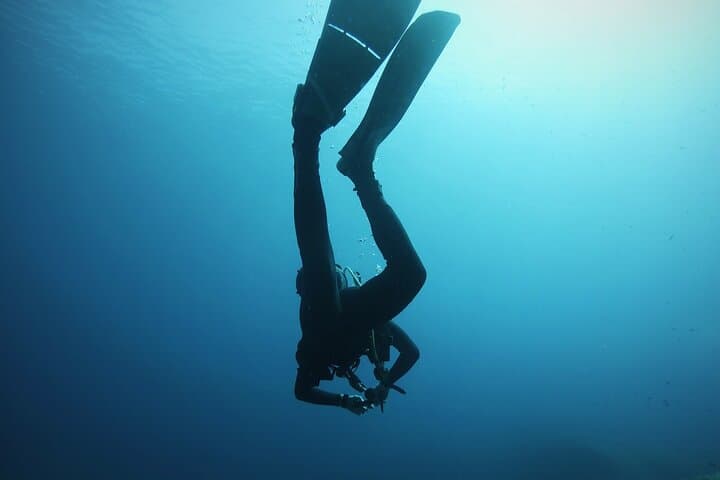
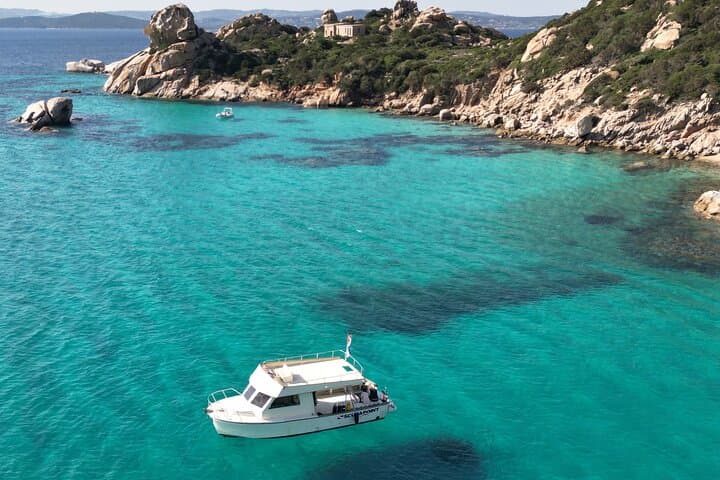
The boat eases off Palau’s quay and the coastline shrinks to a line of pink granite; salt and diesel mix in the air while the skipper points toward the islands. Within an hour the water goes from green to a clear Mediterranean blue, and the first descent drops into meadows of Posidonia where groupers and barracudas patrol like slow, curious sentries.
The boat eases off Palau’s quay and the coastline shrinks to a line of pink granite; salt and diesel mix in the air while the skipper points toward the islands. Within an hour the water goes from green to a clear Mediterranean blue, and the first descent drops into meadows of Posidonia where groupers and barracudas patrol like slow, curious sentries.
This stretch of sea sits inside two long-protected marine areas: the La Maddalena Archipelago National Park (est. 1994) and the granitic islets around Lavezzi. Geology here is unapologetically bold — exposed granite sculpted by wind and waves — and underwater you’ll find walls draped in red gorgonians and fields of seagrass that anchor the food web.
Culturally, Palau and nearby islands grew around fishing and small-scale maritime trade; today they balance tourism with strict marine regulations. Expect dives on sheltered pinnacles, swim-throughs, and posidonia flats where nudibranchs and amberjacks appear with equal frequency. Conditions vary: guides select sites from a catalogue of 60+ options based on wind and current.
Practically: this is a two-tank guided morning trip requiring Open Water Diver certification; average trip time is about four hours including surface intervals and a light Italian breakfast on board. Bring a logbook, a surface marker buoy, and a dive computer if you have one. Pay attention to briefings — currents can pick up near channels and visibility shifts with tide and wind. For first-time visitors, stagger dives across several days to let your body and the sea settle. Respect no-anchoring zones and posidonia beds — they’re the underwater meadow that keeps the archipelago alive.