THE ADVENTURE COLLECTIVE® · Independent discovery and booking for outdoor travel

Tackle a lively 4-kilometer hike with river crossings to reach La Leona, a dramatic waterfall carved into the slopes of Rincón de la Vieja. This half-day adventure pairs a guided forest trek with a riverside lunch and local volcanic stories.
Tackle a lively 4-kilometer hike with river crossings to reach La Leona, a dramatic waterfall carved into the slopes of Rincón de la Vieja. This half-day adventure pairs a guided forest trek with a riverside lunch and local volcanic stories.
You step off the van into a dry tropical forest where the air tastes like dust and green sap, and the trail immediately drops toward a voice of water—La Leona calling from below. The route follows a roughly 4-kilometer path across volcanic foothills, then sharpens into river crossings that test balance more than speed; the falls appear as a sudden white wedge through dark rock and leafy understory.
Verified experiences and guided adventures in the surrounding area.
Operated by Costour · Liberia, Guanacaste
You step off the van into a dry tropical forest where the air tastes like dust and green sap, and the trail immediately drops toward a voice of water—La Leona calling from below. The route follows a roughly 4-kilometer path across volcanic foothills, then sharpens into river crossings that test balance more than speed; the falls appear as a sudden white wedge through dark rock and leafy understory.
Geology here is active: Rincón de la Vieja is an andesitic volcanic complex whose eruptions and hydrothermal plumbing create fumaroles, mineral-rich soils, and abrupt waterfalls cutting into volcanic ash and lava flows. Guides often tell the local legend behind the volcano’s name—Rincón de la Vieja, “corner of the old woman”—a cultural touchpoint that links the landscape to Guanacaste folklore. The dry forest on the Pacific flank supports drought-tolerant trees, colorful heliconias, and birds that call from the canopy.
Expect a full-day outing: plan on about 5–6 hours total including transport and lunch. The hike itself is short but technical in places—rocky sections, muddy stretches, and at least two waist- to knee-deep river crossings depending on rainfall. Lunch is provided and typically served riverside after the swim-and-scramble sections, offering a chance to cool off and watch the water continue its work.
Practical guidance: wear sturdy, grippy footwear that can get wet, bring a 1–2 liter water supply, a quick-dry layer, and a small dry bag for electronics. Start early in the dry season for lower river levels and clearer trails; during the wet season expect stronger currents and muddier approaches. Follow your guide’s instructions at each crossing and stay on established paths to protect fragile soils and plant life.
moderate.
5–6 hours.
Moderate fitness—able to hike uneven terrain, manage short but potentially deep river crossings, and handle hot, humid conditions.
The walking portion is about 4 kilometers round trip across mixed terrain; total tour time including transport and lunch is roughly 5–6 hours.
Crossings vary by season—during dry months they’re often ankle- to knee-deep and manageable; in the rainy season currents can be stronger and require extra caution.
Lunch is included; operators typically offer a standard meal—notify the provider of dietary restrictions when booking so they can accommodate you.
The route involves uneven ground and river fords, so it’s best for children used to hiking and adults without significant mobility limitations; it’s not recommended for those with serious back, heart, or pregnancy-related concerns.
Rincón de la Vieja's name reflects local folklore about an old woman; the park also preserves examples of Guanacaste’s ranching and indigenous histories shaped by volcanic soils.
The area is protected within the volcano park system—stay on trails, avoid introducing soap into waterways, and pack out waste to preserve fragile dry-forest soils and river habitats.
Costour operates guided outdoor trips and adventures with an emphasis on safety, stewardship, and memorable experiences.
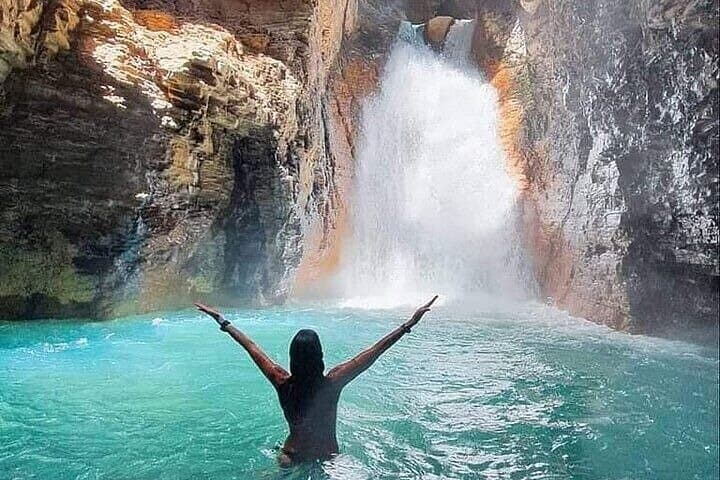
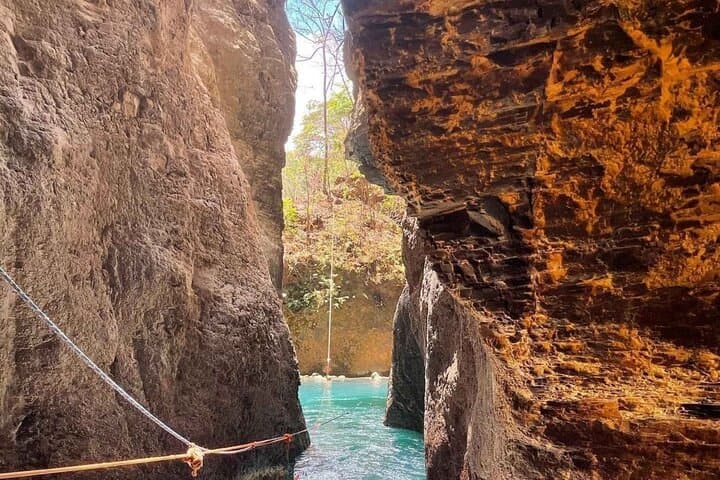
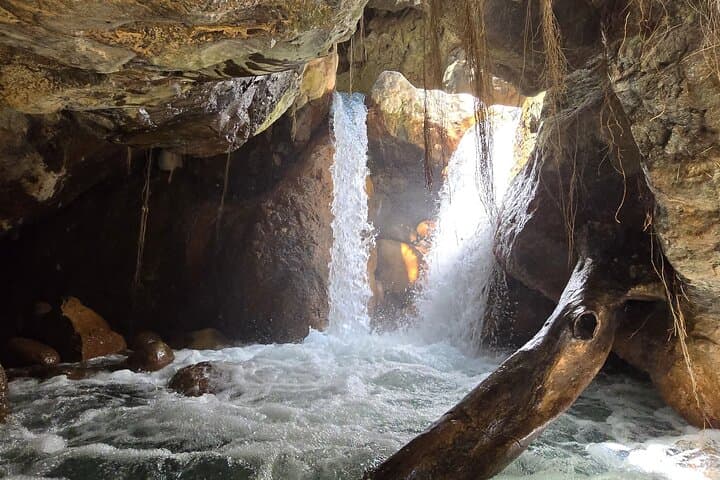
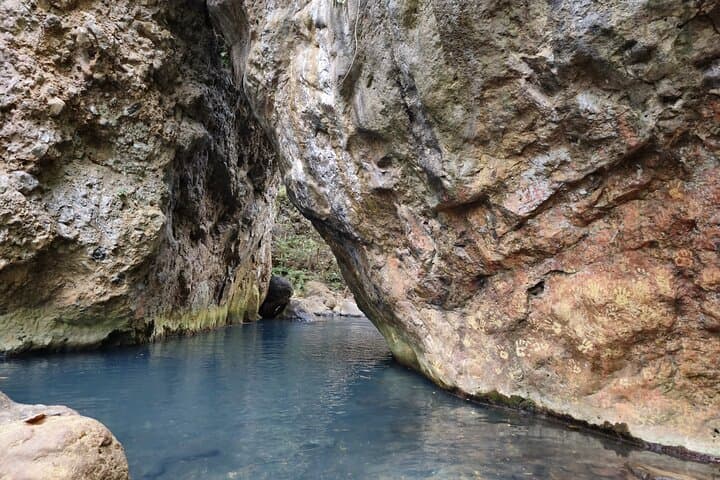
You step off the van into a dry tropical forest where the air tastes like dust and green sap, and the trail immediately drops toward a voice of water—La Leona calling from below. The route follows a roughly 4-kilometer path across volcanic foothills, then sharpens into river crossings that test balance more than speed; the falls appear as a sudden white wedge through dark rock and leafy understory.
You step off the van into a dry tropical forest where the air tastes like dust and green sap, and the trail immediately drops toward a voice of water—La Leona calling from below. The route follows a roughly 4-kilometer path across volcanic foothills, then sharpens into river crossings that test balance more than speed; the falls appear as a sudden white wedge through dark rock and leafy understory.
Geology here is active: Rincón de la Vieja is an andesitic volcanic complex whose eruptions and hydrothermal plumbing create fumaroles, mineral-rich soils, and abrupt waterfalls cutting into volcanic ash and lava flows. Guides often tell the local legend behind the volcano’s name—Rincón de la Vieja, “corner of the old woman”—a cultural touchpoint that links the landscape to Guanacaste folklore. The dry forest on the Pacific flank supports drought-tolerant trees, colorful heliconias, and birds that call from the canopy.
Expect a full-day outing: plan on about 5–6 hours total including transport and lunch. The hike itself is short but technical in places—rocky sections, muddy stretches, and at least two waist- to knee-deep river crossings depending on rainfall. Lunch is provided and typically served riverside after the swim-and-scramble sections, offering a chance to cool off and watch the water continue its work.
Practical guidance: wear sturdy, grippy footwear that can get wet, bring a 1–2 liter water supply, a quick-dry layer, and a small dry bag for electronics. Start early in the dry season for lower river levels and clearer trails; during the wet season expect stronger currents and muddier approaches. Follow your guide’s instructions at each crossing and stay on established paths to protect fragile soils and plant life.