THE ADVENTURE COLLECTIVE® · Independent discovery and booking for outdoor travel

Paddle from La Jolla’s Avenida de la Playa on a guided, two-hour kayak tour that tracks migrating gray whales and other marine life. Guides provide safety briefings, NOAA-compliant etiquette and a close-but-respectful vantage point for wildlife viewing.
Paddle from La Jolla’s Avenida de la Playa on a guided, two-hour kayak tour that tracks migrating gray whales and other marine life. Guides provide safety briefings, NOAA-compliant etiquette and a close-but-respectful vantage point for wildlife viewing.
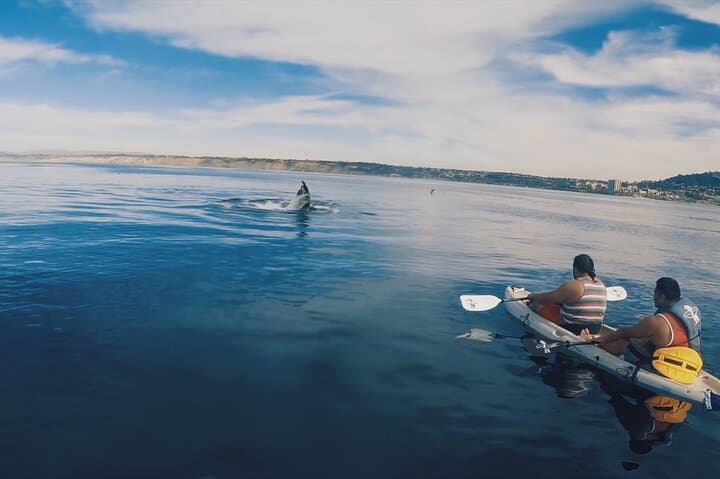
A brisk Pacific wind strips the salt from your skin as two kayaks push off from a sandy shelf at Avenida de la Playa. Guides check straps, hand out spray skirts and nod toward the open water: the gray whale migration runs like clockwork offshore, and today the ocean is awake.
Verified experiences and guided adventures in the surrounding area.
Operated by Everyday California · La Jolla, California
A brisk Pacific wind strips the salt from your skin as two kayaks push off from a sandy shelf at Avenida de la Playa. Guides check straps, hand out spray skirts and nod toward the open water: the gray whale migration runs like clockwork offshore, and today the ocean is awake.
La Jolla’s coastline is carved from uplifted sandstone and Pleistocene terraces; its coves and offshore reefs concentrate food and, by extension, sea life. The area has long been fished and visited by the Kumeyaay people, and modern conservation efforts—like the La Jolla Ecological Reserve and the Marine Mammal Protection Act—shape how tours operate today.
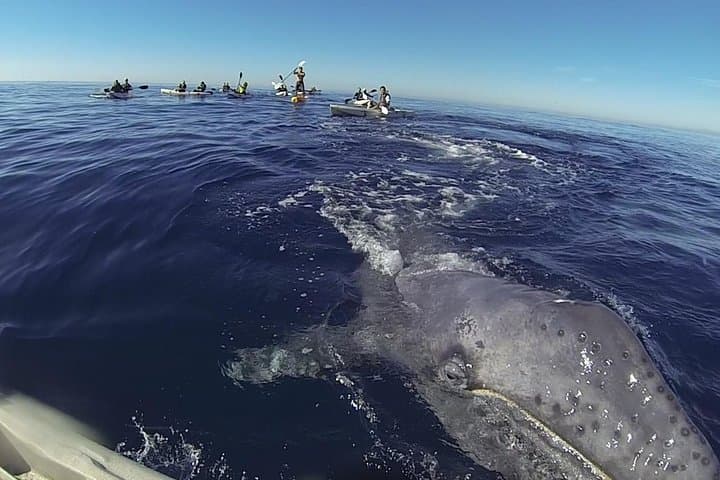
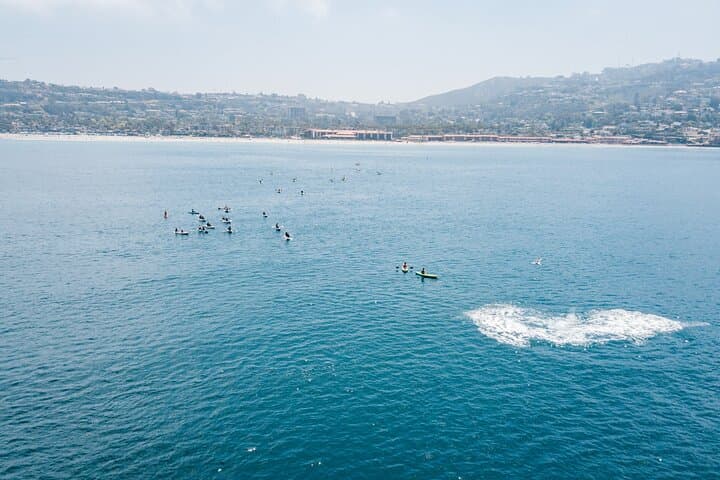
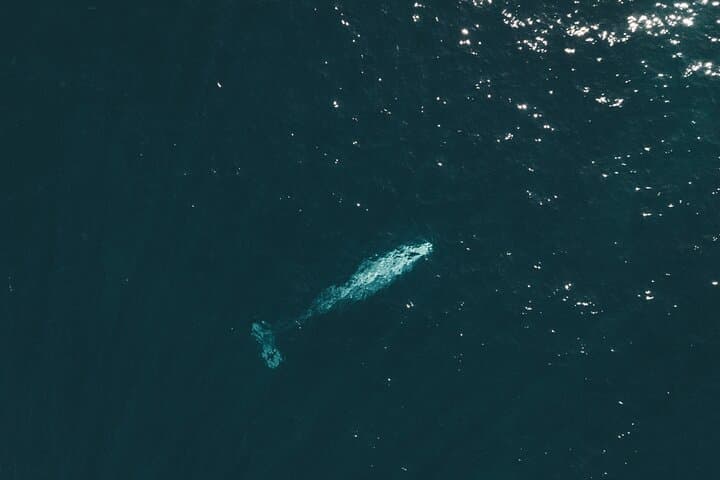
On this two-hour tour, paddlers head roughly two miles west into deeper water, scanning for spouts, flukes and the arcing backs of migrating gray whales. Guides maintain legal standoff distances and brief groups on ocean etiquette; dolphins and sea lions are frequent, curious bystanders while seabirds thread the thermals overhead.
Practical guidance follows the spectacle: arrive 30 minutes early for check-in, expect a mix of flatwater and open-ocean paddling, and know that tours pause often for observation and rest. Moderate fitness and basic paddling stamina are enough—no prior kayak experience required—but sea state can make a calm excursion feel athletic. Wear sun-protective layers, secure any loose gear, and bring a dry bag for phones and cameras. Timing matters: mornings tend to be flatter and cooler; mid-afternoon brings wind. Respect the 100-yard rule around whales and let the ocean set the pace—its currents and animals decide the best seat for the show.
moderate.
2 hours.
Suitable for people with moderate fitness; brief bursts of paddling and core stability are required.
No—guides provide a short tutorial and the tour is designed for beginners, though a moderate fitness level helps.
Guides locate whales for viewing but follow NOAA rules: boats and kayaks remain at least 100 yards from whales and 50 yards from dolphins.
Participants must be at least five years old and children should be accompanied by an adult.
Tours may be rescheduled or canceled for safety; confirm reservation details with the operator and arrive prepared for wind and swell.
La Jolla’s shore has been inhabited by the Kumeyaay and later developed as a fishing and research hub; modern marine protections established ecological reserves along these reefs.
Operators strictly follow NOAA’s Marine Mammal Protection Act and local reserve rules; take-away: keep distance, pack out trash and minimize noise to reduce stress on animals.
Everyday California operates guided outdoor trips and adventures with an emphasis on safety, stewardship, and memorable experiences.
A brisk Pacific wind strips the salt from your skin as two kayaks push off from a sandy shelf at Avenida de la Playa. Guides check straps, hand out spray skirts and nod toward the open water: the gray whale migration runs like clockwork offshore, and today the ocean is awake.
A brisk Pacific wind strips the salt from your skin as two kayaks push off from a sandy shelf at Avenida de la Playa. Guides check straps, hand out spray skirts and nod toward the open water: the gray whale migration runs like clockwork offshore, and today the ocean is awake.
La Jolla’s coastline is carved from uplifted sandstone and Pleistocene terraces; its coves and offshore reefs concentrate food and, by extension, sea life. The area has long been fished and visited by the Kumeyaay people, and modern conservation efforts—like the La Jolla Ecological Reserve and the Marine Mammal Protection Act—shape how tours operate today.
On this two-hour tour, paddlers head roughly two miles west into deeper water, scanning for spouts, flukes and the arcing backs of migrating gray whales. Guides maintain legal standoff distances and brief groups on ocean etiquette; dolphins and sea lions are frequent, curious bystanders while seabirds thread the thermals overhead.
Practical guidance follows the spectacle: arrive 30 minutes early for check-in, expect a mix of flatwater and open-ocean paddling, and know that tours pause often for observation and rest. Moderate fitness and basic paddling stamina are enough—no prior kayak experience required—but sea state can make a calm excursion feel athletic. Wear sun-protective layers, secure any loose gear, and bring a dry bag for phones and cameras. Timing matters: mornings tend to be flatter and cooler; mid-afternoon brings wind. Respect the 100-yard rule around whales and let the ocean set the pace—its currents and animals decide the best seat for the show.