THE ADVENTURE COLLECTIVE® · Independent discovery and booking for outdoor travel

Spend a day moving from coastal history to high laurel forest on La Gomera. This nine-hour tour covers San Sebastián, Garajonay National Park, Roque de Agando and local culture including the whistled Silbo Gomero.
Spend a day moving from coastal history to high laurel forest on La Gomera. This nine-hour tour covers San Sebastián, Garajonay National Park, Roque de Agando and local culture including the whistled Silbo Gomero.
You step off the ferry into San Sebastián early, salt on your jacket and a line of palm shadows on the quay. The island opens immediately—steep roads, volcanic ridges and the blunt silhouette of Roque de Agando rising like a marker on the skyline.
Verified experiences and guided adventures in the surrounding area.
Operated by TENERIFE TRIPS & HOLIDAYS · San Sebastián de La Gomera, Canary Islands
You step off the ferry into San Sebastián early, salt on your jacket and a line of palm shadows on the quay. The island opens immediately—steep roads, volcanic ridges and the blunt silhouette of Roque de Agando rising like a marker on the skyline.
The day moves between human history and older geology: Columbus’s final stop before the Atlantic crossing, the medieval Torre del Conde that once guarded the harbor, and the rock-carved ridgelines formed by ancient volcanic flows. Inland, Garajonay National Park preserves a relic laurel forest—thick moss, bronze trunks and a damp, cool understory that feels older than the island itself. Listen for Silbo Gomero, the whistle language still taught in schools and used historically to communicate across ravines.
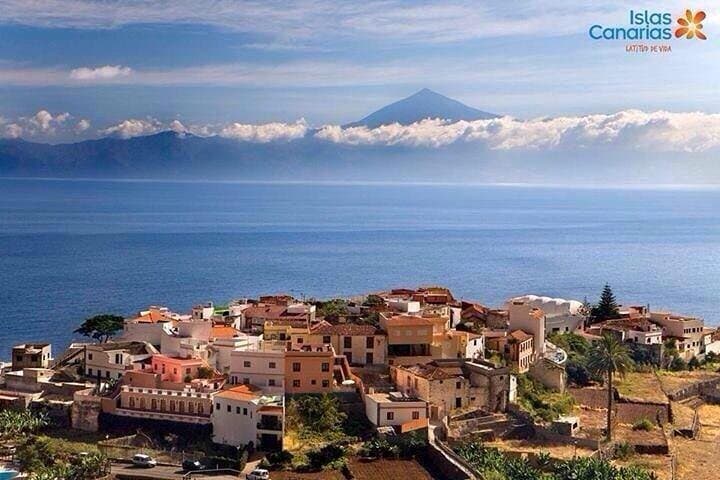
Expect a full nine-hour loop: a short ferry crossing, air-conditioned minibus transfers, and several viewpoint stops with short walks—some unpaved, some steep but brief. You’ll have time for a guided walk in laurisilva, a visit to Hermigua and Agulo for coastal views, and a lunch that reflects island produce.
Practical edge: wear sturdy walking shoes, bring layers for fog in the high forest, and carry sun protection for exposed viewpoints. Hydrate before and after the forest walk; trails can be wet and slippery near Garajonay. If you want clearer whale-watching, book seas calmer in spring-summer; for peak leafiness and fewer crowds choose late spring. The route is suitable for most fitness levels but includes uneven ground and short climbs—plan for steady but unhurried pacing.
easy.
9 hours.
Suitable for most people who can manage short uneven walks and several brief climbs; mostly bus transfers with on-foot stops.
The tour is about nine hours and uses ferry crossings plus an air-conditioned minibus for island transfers.
Walks are short and suitable for most fitness levels, though trails can be uneven and slippery in places.
Yes—many tours include a short demonstration or explanation of Silbo Gomero, the island’s whistled language.
Lunch, bottled water and the ferry are included as part of this tour’s standard inclusions.
San Sebastián was Columbus’s last landfall before the 1492 Atlantic crossing; Torre del Conde is a surviving 15th-century defensive tower in the town.
Garajonay protects an ancient laurel forest ecosystem—stick to marked trails, avoid disturbing understory habitat, and follow local guidance to minimize impact.
TENERIFE TRIPS & HOLIDAYS operates guided outdoor trips and adventures with an emphasis on safety, stewardship, and memorable experiences.
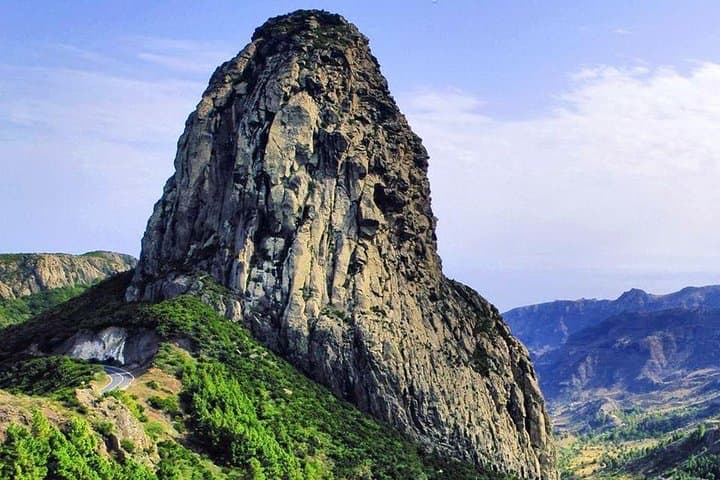
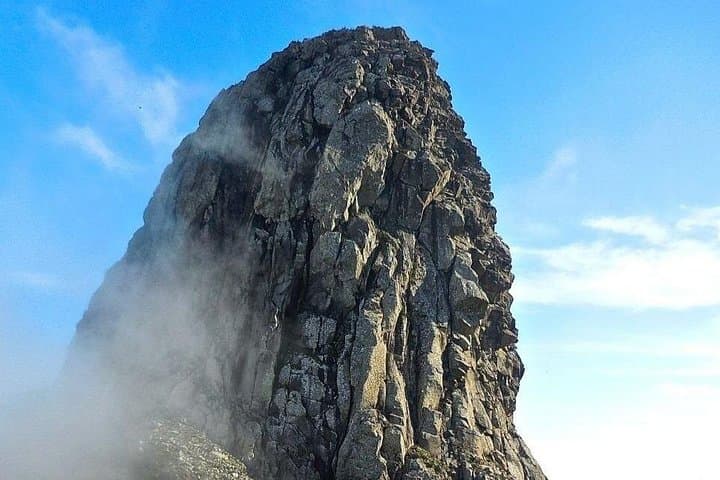
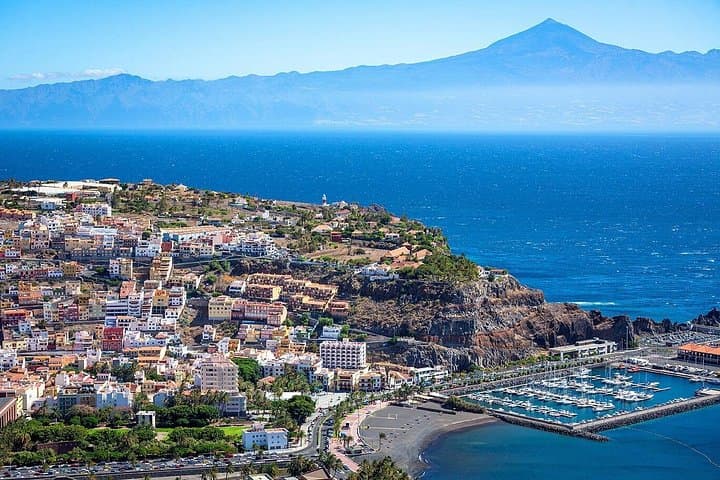
You step off the ferry into San Sebastián early, salt on your jacket and a line of palm shadows on the quay. The island opens immediately—steep roads, volcanic ridges and the blunt silhouette of Roque de Agando rising like a marker on the skyline.
You step off the ferry into San Sebastián early, salt on your jacket and a line of palm shadows on the quay. The island opens immediately—steep roads, volcanic ridges and the blunt silhouette of Roque de Agando rising like a marker on the skyline.
The day moves between human history and older geology: Columbus’s final stop before the Atlantic crossing, the medieval Torre del Conde that once guarded the harbor, and the rock-carved ridgelines formed by ancient volcanic flows. Inland, Garajonay National Park preserves a relic laurel forest—thick moss, bronze trunks and a damp, cool understory that feels older than the island itself. Listen for Silbo Gomero, the whistle language still taught in schools and used historically to communicate across ravines.
Expect a full nine-hour loop: a short ferry crossing, air-conditioned minibus transfers, and several viewpoint stops with short walks—some unpaved, some steep but brief. You’ll have time for a guided walk in laurisilva, a visit to Hermigua and Agulo for coastal views, and a lunch that reflects island produce.
Practical edge: wear sturdy walking shoes, bring layers for fog in the high forest, and carry sun protection for exposed viewpoints. Hydrate before and after the forest walk; trails can be wet and slippery near Garajonay. If you want clearer whale-watching, book seas calmer in spring-summer; for peak leafiness and fewer crowds choose late spring. The route is suitable for most fitness levels but includes uneven ground and short climbs—plan for steady but unhurried pacing.