THE ADVENTURE COLLECTIVE® · Independent discovery and booking for outdoor travel

A private rafting run on Río La Balsa offers controlled adrenaline and rainforest scenery—25 rapids across a 10 km stretch with bilingual certified guides, hotel pickup, seasonal fruit stops, and a traditional Costa Rican lunch.
A private rafting run on Río La Balsa offers controlled adrenaline and rainforest scenery—25 rapids across a 10 km stretch with bilingual certified guides, hotel pickup, seasonal fruit stops, and a traditional Costa Rican lunch.
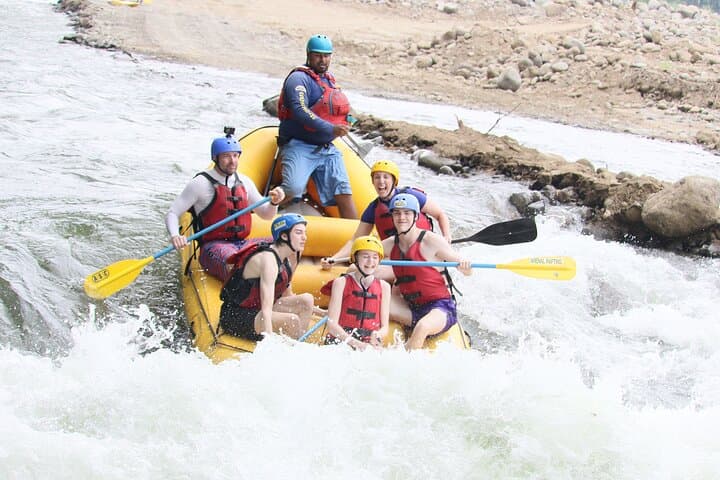
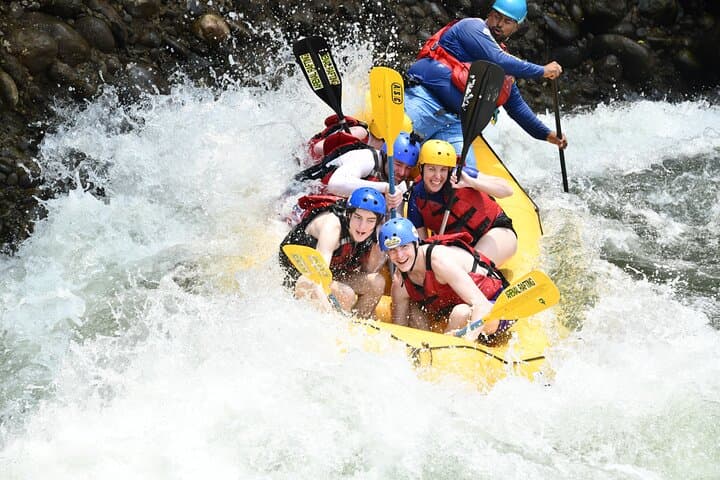
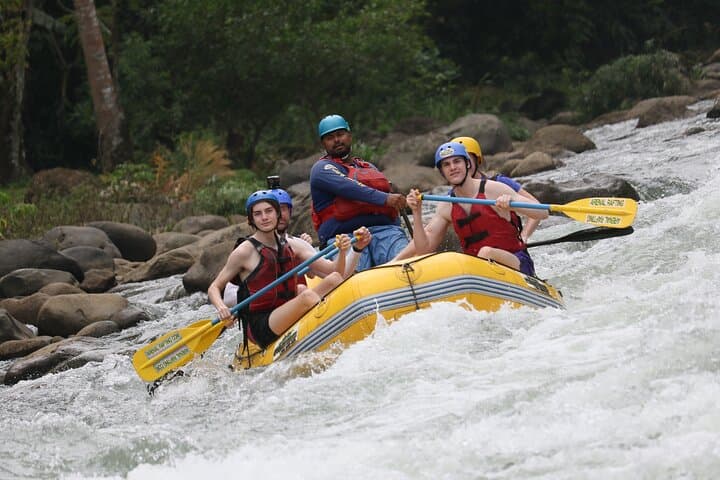
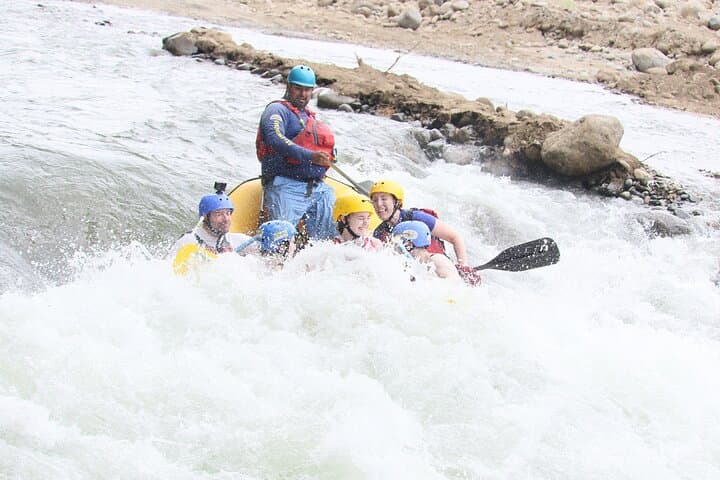
The bus eases away from La Fortuna and the humid air thickens; the rainforest leans close, leaves dripping from an overnight shower. In forty-five minutes the road drops to the valley and Río La Balsa appears, a band of churning water threading through volcanic boulders. Guides unload gear with brisk efficiency—helmets, PFDs, paddles—and the river seems to flex, as if testing the rafters before the first stroke.
Verified experiences and guided adventures in the surrounding area.
Operated by Arenal Rafting · La Fortuna, Alajuela
The bus eases away from La Fortuna and the humid air thickens; the rainforest leans close, leaves dripping from an overnight shower. In forty-five minutes the road drops to the valley and Río La Balsa appears, a band of churning water threading through volcanic boulders. Guides unload gear with brisk efficiency—helmets, PFDs, paddles—and the river seems to flex, as if testing the rafters before the first stroke.
This private rafting run carves roughly 10 kilometers through lowland rainforest, delivering 25 named rapids over about two hours of on-water action. Geologically, the channel traces a landscape shaped by Arenal’s volcanic past: hardened lava and ignimbrite form the steeper banks, while softer alluvial terraces host dense gallery forest. The river’s flow reflects seasonal rhythms—higher and faster after rains, gentler in the dry months—so each trip changes with the calendar.
Local history threads the river with human stories. Indigenous Boruca and Huetar people used these waterways long before tourism, and early cattle routes followed the riparian corridors into La Fortuna. Today, rafting here is a fusion of Costa Rican practicality and hospitality: bilingual, certified guides who prioritize safety but encourage play—raft-surfing waves, timed swims, and stops for mangoes and pineapple picked when in season.
Wildlife is never far. Sloths recline in the canopy like slow-moving ornaments, kingfishers dart at the river edge, and iguanas sun on exposed rocks. The guides point out species with the same steady cadence they use to count strokes—part naturalist, part river coach.
Practical details matter: trips include hotel pickup within a roughly 5 km radius of La Fortuna’s central park, a 30-minute pickup window, and all basic safety equipment. Expect two hours of rapids within a four-hour booking that covers transport, bilingual guide service, traditional lunch, coffee, and towel service. Closed-toed, secure shoes are mandatory; no flip-flops or Crocs.
For travelers planning the run: book for the morning if you want softer light and cooler air, or later in the day for a warm swim break. Communicate any weight or health concerns at booking—guides conduct brief fitness checks—and bring a change of clothes for the transfer back to La Fortuna. If privacy matters, the private tour format keeps your group together and lets guides tailor the pace.
La Fortuna’s river rafting is equal parts adrenaline and ecosystem reconnaissance: the current pushes, the rainforest watches, and the experience ends with coffee and a hearty Costa Rican lunch as stories and photos are shared. For anyone with moderate fitness and a taste for wet adventure, Río La Balsa delivers a confident, well-run introduction to Costa Rica’s active interior.
moderate.
3–4 hours.
Moderate fitness: able to paddle for up to two hours with short bursts of exertion and able to swim.
The guided on-water portion covers about 10 kilometers and roughly two hours of rafting, including 25 rapids.
Yes—pickup is included for hotels within approximately 5 km of La Fortuna central park; pickup windows vary by hotel location.
Moderate fitness and basic paddling ability are sufficient; guides lead the boat and coach paddling throughout.
Yes—a traditional Costa Rican lunch, coffee, and seasonal fruits are included at the end of the trip.
Personal flotation devices, helmets, paddles, and certified bilingual guides are provided; safety briefings precede departure.
Children can join if they meet the operator’s age and weight requirements and can follow instructions; check with the operator when booking.
Río La Balsa has long been a corridor for local communities; modern rafting developed alongside La Fortuna’s growth as tourism shifted from cattle and agriculture to adventure travel.
Operators emphasize leave-no-trace practices and limit group impact; avoid single-use plastics and follow guide instructions to protect fragile riverside habitats.
Arenal Rafting operates guided outdoor trips and adventures with an emphasis on safety, stewardship, and memorable experiences.
The bus eases away from La Fortuna and the humid air thickens; the rainforest leans close, leaves dripping from an overnight shower. In forty-five minutes the road drops to the valley and Río La Balsa appears, a band of churning water threading through volcanic boulders. Guides unload gear with brisk efficiency—helmets, PFDs, paddles—and the river seems to flex, as if testing the rafters before the first stroke.
The bus eases away from La Fortuna and the humid air thickens; the rainforest leans close, leaves dripping from an overnight shower. In forty-five minutes the road drops to the valley and Río La Balsa appears, a band of churning water threading through volcanic boulders. Guides unload gear with brisk efficiency—helmets, PFDs, paddles—and the river seems to flex, as if testing the rafters before the first stroke.
This private rafting run carves roughly 10 kilometers through lowland rainforest, delivering 25 named rapids over about two hours of on-water action. Geologically, the channel traces a landscape shaped by Arenal’s volcanic past: hardened lava and ignimbrite form the steeper banks, while softer alluvial terraces host dense gallery forest. The river’s flow reflects seasonal rhythms—higher and faster after rains, gentler in the dry months—so each trip changes with the calendar.
Local history threads the river with human stories. Indigenous Boruca and Huetar people used these waterways long before tourism, and early cattle routes followed the riparian corridors into La Fortuna. Today, rafting here is a fusion of Costa Rican practicality and hospitality: bilingual, certified guides who prioritize safety but encourage play—raft-surfing waves, timed swims, and stops for mangoes and pineapple picked when in season.
Wildlife is never far. Sloths recline in the canopy like slow-moving ornaments, kingfishers dart at the river edge, and iguanas sun on exposed rocks. The guides point out species with the same steady cadence they use to count strokes—part naturalist, part river coach.
Practical details matter: trips include hotel pickup within a roughly 5 km radius of La Fortuna’s central park, a 30-minute pickup window, and all basic safety equipment. Expect two hours of rapids within a four-hour booking that covers transport, bilingual guide service, traditional lunch, coffee, and towel service. Closed-toed, secure shoes are mandatory; no flip-flops or Crocs.
For travelers planning the run: book for the morning if you want softer light and cooler air, or later in the day for a warm swim break. Communicate any weight or health concerns at booking—guides conduct brief fitness checks—and bring a change of clothes for the transfer back to La Fortuna. If privacy matters, the private tour format keeps your group together and lets guides tailor the pace.
La Fortuna’s river rafting is equal parts adrenaline and ecosystem reconnaissance: the current pushes, the rainforest watches, and the experience ends with coffee and a hearty Costa Rican lunch as stories and photos are shared. For anyone with moderate fitness and a taste for wet adventure, Río La Balsa delivers a confident, well-run introduction to Costa Rica’s active interior.