THE ADVENTURE COLLECTIVE® · Independent discovery and booking for outdoor travel

Spend an evening in La Fortuna learning to cook classic Costa Rican dishes and then burn off dinner with a beginner salsa lesson. This hands-on combo blends local ingredients, volcanic-region flavors, and lively dance instruction for a memorable night out.
Spend an evening in La Fortuna learning to cook classic Costa Rican dishes and then burn off dinner with a beginner salsa lesson. This hands-on combo blends local ingredients, volcanic-region flavors, and lively dance instruction for a memorable night out.
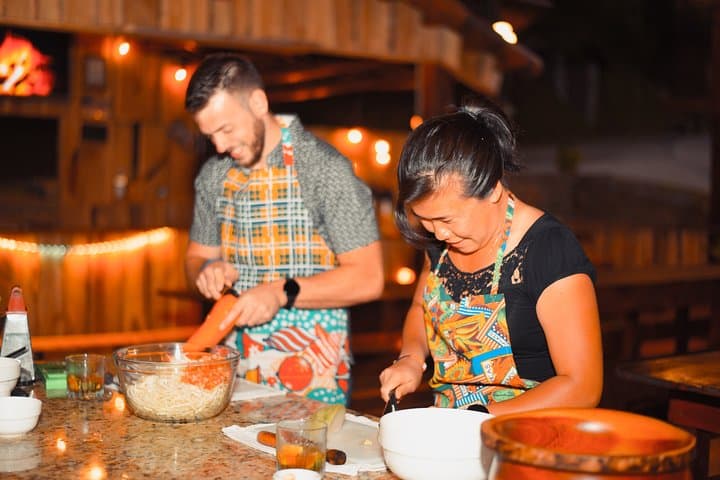
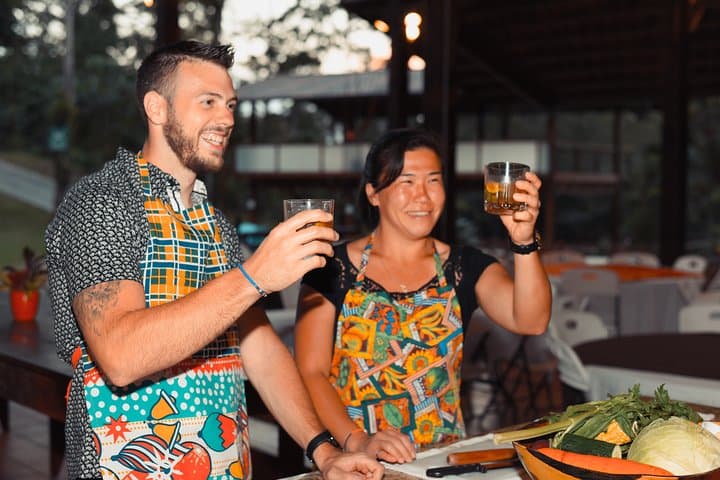
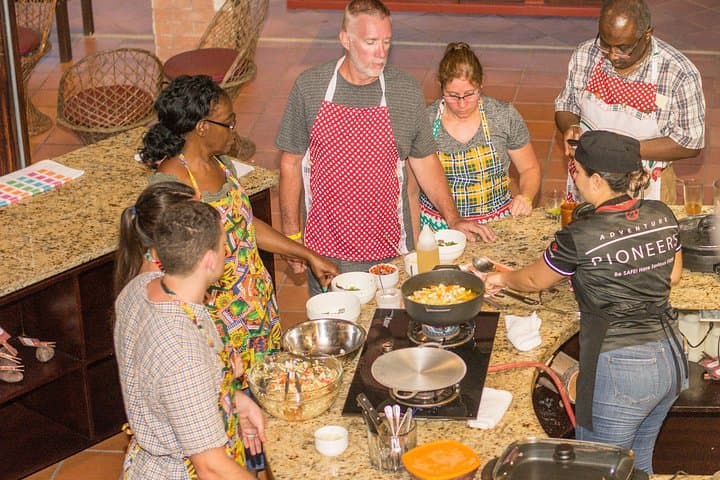
An evening in La Fortuna begins with the low rumble of distant traffic and the silhouette of Arenal carving the horizon; you step into an open-air kitchen where steam lifts off fresh plantains and citrus oils scent the humid air.
Verified experiences and guided adventures in the surrounding area.
Operated by Desafio Adventure Company · La Fortuna, Alajuela
An evening in La Fortuna begins with the low rumble of distant traffic and the silhouette of Arenal carving the horizon; you step into an open-air kitchen where steam lifts off fresh plantains and citrus oils scent the humid air.
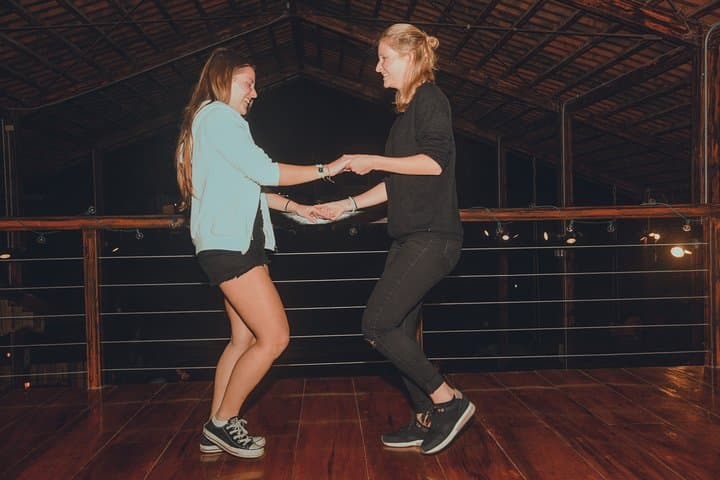
This combo pairs hands-on cooking with a short, lively dance lesson—rooted in local foodways and Latin rhythms. Geologically, Arenal’s volcanic soils and steady rainfall make the region unusually productive: expect fresh vegetables, ripe bananas, strong coffee, and herbs that flavor the night. Culturally, Costa Rica’s cuisine centers on simple staples—rice and beans, fried plantain, and bright salsas—and social meals are how people share stories. The class starts with ingredient prep and technique: how to build a classic gallo pinto or a simple casado, seasoning, and plating. After you eat what you helped make, the space clears for instruction in salsa, merengue, cumbia and bachata—basic steps, partner connection, and a chance to practice in a small group.
Practical guidance: come hungry and ready to chop, stir, and stand for about three to three-and-a-half hours. Wear comfortable, non-slip shoes for the dance portion, and light, breathable clothing for the kitchen. Tell your host about allergies in advance; many classes accommodate dietary needs. Expect a social atmosphere—this is as much about meeting travelers and locals as it is about technique. Evening timing avoids midday heat and often coincides with lively local nightlife if you want to continue the night afterward.
easy.
3–3.5 hours.
Light activity level—able to stand, chop, and move to basic dance steps; no advanced fitness required.
Some operators offer pickup; check your booking details and select a pickup point if available—public taxis and shuttles also serve La Fortuna.
Yes—most classes can adapt recipes for vegetarians or common allergies if you indicate needs during booking.
Many venues in La Fortuna are accessible, and this listing indicates wheelchair access; confirm specifics with the supplier before arrival.
No prior dance experience is necessary—lessons are designed for beginners and focus on basic steps and partner timing.
La Fortuna grew as an agricultural and gateway town to Arenal; local culinary traditions reflect smallholder farming and indigenous, Spanish, and Afro-Caribbean influences.
The Arenal area emphasizes sustainable tourism—choose operators who source local produce and follow waste-reduction practices to support the region.
Desafio Adventure Company operates guided outdoor trips and adventures with an emphasis on safety, stewardship, and memorable experiences.
An evening in La Fortuna begins with the low rumble of distant traffic and the silhouette of Arenal carving the horizon; you step into an open-air kitchen where steam lifts off fresh plantains and citrus oils scent the humid air.
An evening in La Fortuna begins with the low rumble of distant traffic and the silhouette of Arenal carving the horizon; you step into an open-air kitchen where steam lifts off fresh plantains and citrus oils scent the humid air.
This combo pairs hands-on cooking with a short, lively dance lesson—rooted in local foodways and Latin rhythms. Geologically, Arenal’s volcanic soils and steady rainfall make the region unusually productive: expect fresh vegetables, ripe bananas, strong coffee, and herbs that flavor the night. Culturally, Costa Rica’s cuisine centers on simple staples—rice and beans, fried plantain, and bright salsas—and social meals are how people share stories. The class starts with ingredient prep and technique: how to build a classic gallo pinto or a simple casado, seasoning, and plating. After you eat what you helped make, the space clears for instruction in salsa, merengue, cumbia and bachata—basic steps, partner connection, and a chance to practice in a small group.
Practical guidance: come hungry and ready to chop, stir, and stand for about three to three-and-a-half hours. Wear comfortable, non-slip shoes for the dance portion, and light, breathable clothing for the kitchen. Tell your host about allergies in advance; many classes accommodate dietary needs. Expect a social atmosphere—this is as much about meeting travelers and locals as it is about technique. Evening timing avoids midday heat and often coincides with lively local nightlife if you want to continue the night afterward.