THE ADVENTURE COLLECTIVE® · Independent discovery and booking for outdoor travel

Spend a day moving from sacred Mayan caves to a turquoise-sand beach on Lake Petén Itzá. Expect cave paintings, narrow passages, a viewpoint over the lake, and a short private boat ride to El Chechenal.
Spend a day moving from sacred Mayan caves to a turquoise-sand beach on Lake Petén Itzá. Expect cave paintings, narrow passages, a viewpoint over the lake, and a short private boat ride to El Chechenal.
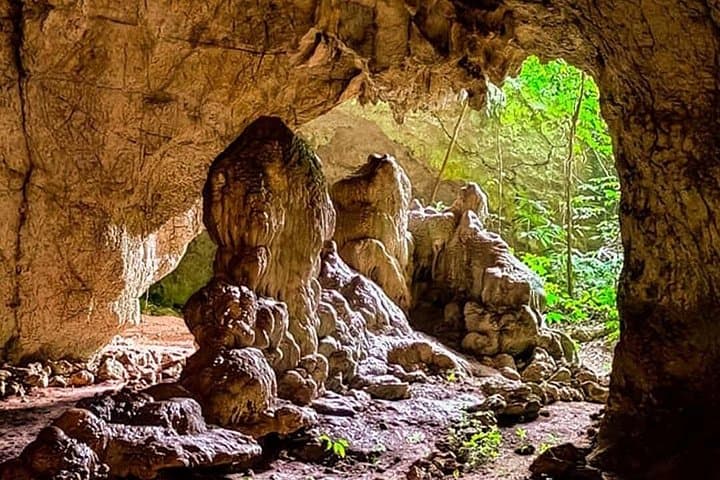
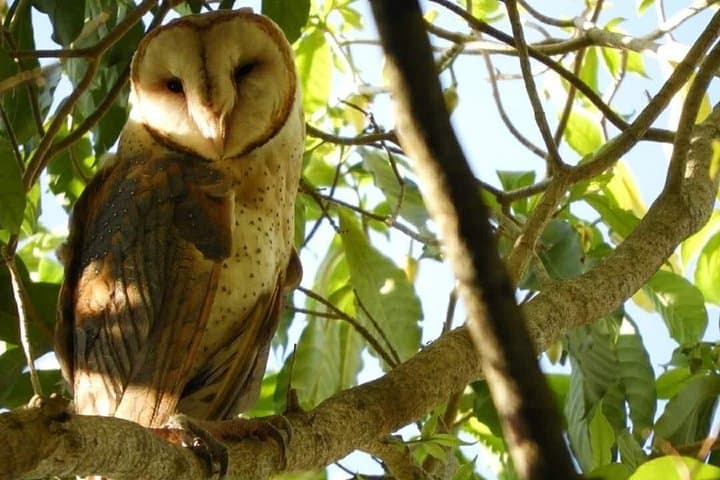
Dawn on Lake Petén Itzá throws a humid, gold light across the water and the road to La Cobanerita — a day of tight limestone passages and a short boat crossing waits. Visitors move from a low, painted cave mouth into echoing chambers where red, black and yellow pictographs hold stories older than the town you left behind. The cave walls are limestone karst carved by underground rivers; some chambers narrow, others open to shafts of light where owls and bats find refuge.
Verified experiences and guided adventures in the surrounding area.
Operated by Guat2do Travel Experiences · Flores, Petén
Dawn on Lake Petén Itzá throws a humid, gold light across the water and the road to La Cobanerita — a day of tight limestone passages and a short boat crossing waits. Visitors move from a low, painted cave mouth into echoing chambers where red, black and yellow pictographs hold stories older than the town you left behind. The cave walls are limestone karst carved by underground rivers; some chambers narrow, others open to shafts of light where owls and bats find refuge.
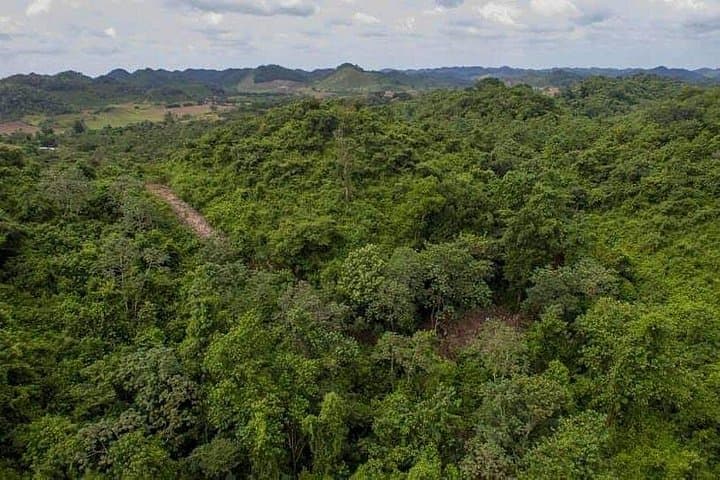
Those caves have been sacred to Maya communities for millennia — entrances to the underworld and stages for offerings; local guides still point out painted motifs and rock formations named for animals. Geologically the area is classic Petén: porous limestone, sinkholes, and a vantage point 100 meters above the lake that gives a wide view of forested shoreline and scattered islands.
After a communal lunch, the day turns maritime: a private boat ride to El Chechenal Beach, where shallow turquoise meets pale sand and small fish swim close to shore. You may hear howler monkeys answering across the canopy or spot a toucan in the treetops; the beach is small and ecological, best enjoyed with low impact.
Practical guidance: the tour runs about 7–8 hours with moderate walking and some stooping in caves — wear sturdy trekking shoes, long pants, and a small daypack. Bring insect repellent, sun protection, swimwear and a towel. Respect the painted panels and any ongoing ceremonies; follow your guide’s safety briefings and avoid large backpacks inside caves.
moderate.
7–8 hours.
Moderate fitness: able to walk 400m, climb short uneven trails, and stoop through narrow cave sections.
The tour lasts about 7–8 hours and typically includes private transport from Flores, certified local guide, entrance fees, safety equipment for caves, lunch, bottled water, and a private boat to El Chechenal.
Parts are narrow and require stooping; the operator recommends moderate fitness but no technical caving skills — guides choose the short or long route based on group ability.
Yes — the beach has shallow turquoise water suitable for a swim; bring swimwear and a towel, but follow the guide’s safety advice about currents and wildlife.
Photography of cave paintings is generally allowed but avoid using flash on fragile pigments; respect any ceremonies and follow the guide’s instructions, as photography may be restricted.
The La Cobanerita caves have been used by Maya communities for centuries as ceremonial portals to the underworld; painted panels in red, black and yellow are evidence of long-standing ritual activity.
Cave pigments and karst ecosystems are fragile — stay on paths, do not touch paintings, and avoid single-use plastics on the beach; boats should minimize wake to protect shoreline habitat.
Guat2do Travel Experiences operates guided outdoor trips and adventures with an emphasis on safety, stewardship, and memorable experiences.

Dawn on Lake Petén Itzá throws a humid, gold light across the water and the road to La Cobanerita — a day of tight limestone passages and a short boat crossing waits. Visitors move from a low, painted cave mouth into echoing chambers where red, black and yellow pictographs hold stories older than the town you left behind. The cave walls are limestone karst carved by underground rivers; some chambers narrow, others open to shafts of light where owls and bats find refuge.
Dawn on Lake Petén Itzá throws a humid, gold light across the water and the road to La Cobanerita — a day of tight limestone passages and a short boat crossing waits. Visitors move from a low, painted cave mouth into echoing chambers where red, black and yellow pictographs hold stories older than the town you left behind. The cave walls are limestone karst carved by underground rivers; some chambers narrow, others open to shafts of light where owls and bats find refuge.
Those caves have been sacred to Maya communities for millennia — entrances to the underworld and stages for offerings; local guides still point out painted motifs and rock formations named for animals. Geologically the area is classic Petén: porous limestone, sinkholes, and a vantage point 100 meters above the lake that gives a wide view of forested shoreline and scattered islands.
After a communal lunch, the day turns maritime: a private boat ride to El Chechenal Beach, where shallow turquoise meets pale sand and small fish swim close to shore. You may hear howler monkeys answering across the canopy or spot a toucan in the treetops; the beach is small and ecological, best enjoyed with low impact.
Practical guidance: the tour runs about 7–8 hours with moderate walking and some stooping in caves — wear sturdy trekking shoes, long pants, and a small daypack. Bring insect repellent, sun protection, swimwear and a towel. Respect the painted panels and any ongoing ceremonies; follow your guide’s safety briefings and avoid large backpacks inside caves.