THE ADVENTURE COLLECTIVE® · Independent discovery and booking for outdoor travel

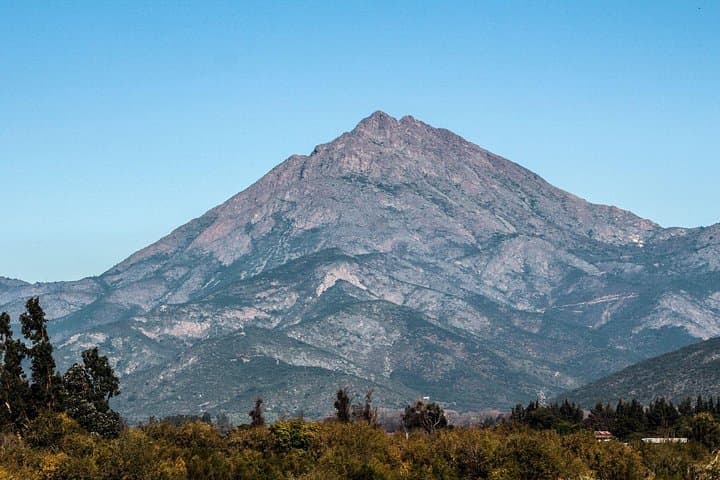
A full-day summit trek from Santiago to Cerro La Campana traces native palm groves and granite ridgelines to a 1,910 m viewpoint. Expect steep, rocky trails, historic flora, and sweeping coastal-and-Andes panoramas.
A full-day summit trek from Santiago to Cerro La Campana traces native palm groves and granite ridgelines to a 1,910 m viewpoint. Expect steep, rocky trails, historic flora, and sweeping coastal-and-Andes panoramas.
Morning light from the bus window slices the coastal foothills as you travel north from Santiago toward Olmué, the city falling away and pine-scented air drawing tighter around the road.
Verified experiences and guided adventures in the surrounding area.
Operated by Tangol · Santiago, Santiago Metropolitan Region
Morning light from the bus window slices the coastal foothills as you travel north from Santiago toward Olmué, the city falling away and pine-scented air drawing tighter around the road.
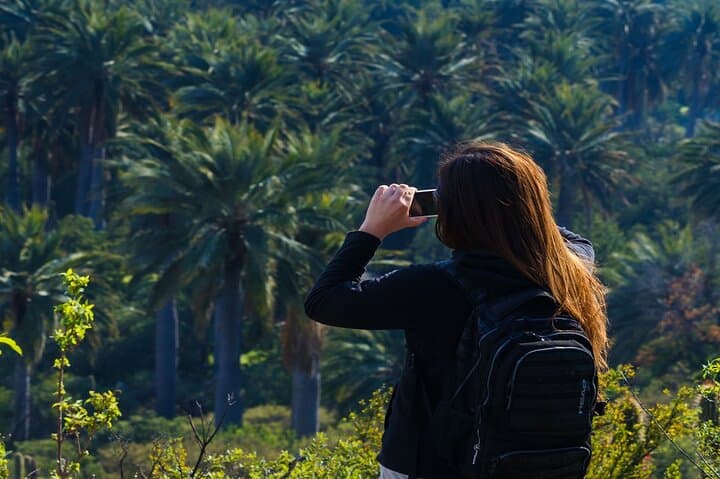
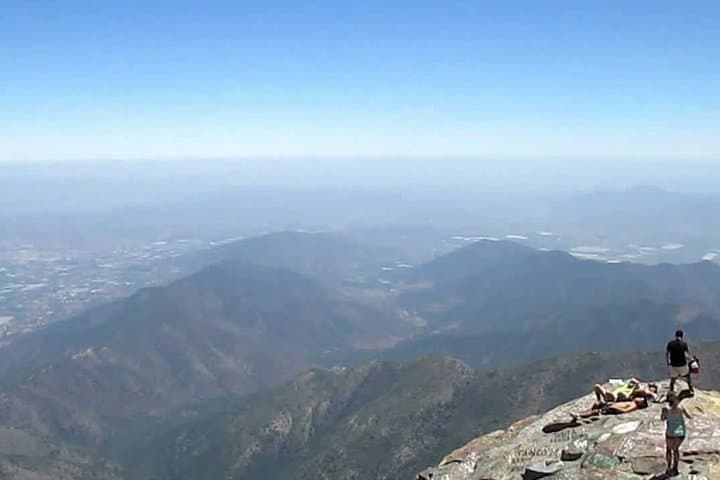
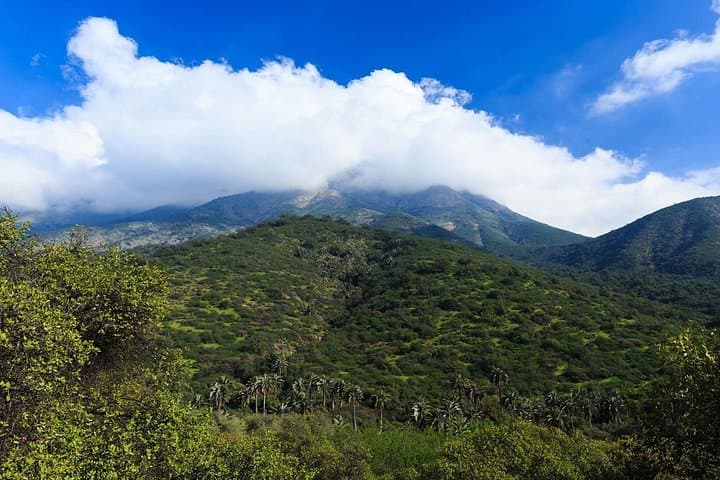
By 9 AM you step into La Campana National Park, a patch of the Chilean Coastal Range where the trail threads through sclerophyll forests and stands of the native Jubaea chilensis (the Chilean wine palm). The path pitches steadily, rock and root underfoot, and the forest opens to granite outcrops that give way to the ridge. At roughly 1,910 meters the summit sits like a lookout over both the Andes and the Pacific rim; on a clear day, the view stretches from snow-capped peaks to distant sea.
La Campana has a long human story — Charles Darwin recorded the area in the 1830s — and today it’s protected as a UNESCO Biosphere Reserve for its unique flora and fauna and the relic palm groves. Geologically it belongs to the Cordillera de la Costa, with exposed crystalline rocks and steep erosional features that shape the ascent.
Practicalities are straightforward but firm: expect uneven, sometimes steep trail with about five hours to climb and three hours to descend on a full-day itinerary that includes hotel pickup from Santiago and a boxed lunch. Bring layered clothing for variable coastal mountain weather, sturdy boots, 2 liters of water, and sun protection. Start early to avoid midday heat, pace conservatively on the ascent, and allow time at the summit for photos and rest before the long descent.
challenging.
8–10 hours (trekking 5 hours up, 3 hours down; full day including transport).
Requires a high level of cardiovascular fitness and comfort on sustained uphill hiking with uneven terrain.
The hike is challenging: about five hours to ascend and three to descend on uneven, sometimes steep trails; good fitness and steady pacing are recommended.
Yes — centrally located Santiago hotels are included for pickup and drop-off, and the tour provides a boxed lunch.
Entrance fees are subject to the park’s policy and are not explicitly stated as included; check with the operator or carry local currency to pay park entrance if required.
Spring and fall offer mild temperatures and fewer crowds; summer can be hot and winter brings more rain and shorter daylight—plan accordingly.
Charles Darwin visited the area in the 1830s; the park protects relic Chilean wine palms and was later designated a UNESCO Biosphere Reserve.
Trails are fragile; stick to established paths to protect native palm groves and follow leave-no-trace principles to minimize erosion and disturbance.
Tangol operates guided outdoor trips and adventures with an emphasis on safety, stewardship, and memorable experiences.
Morning light from the bus window slices the coastal foothills as you travel north from Santiago toward Olmué, the city falling away and pine-scented air drawing tighter around the road.
Morning light from the bus window slices the coastal foothills as you travel north from Santiago toward Olmué, the city falling away and pine-scented air drawing tighter around the road.
By 9 AM you step into La Campana National Park, a patch of the Chilean Coastal Range where the trail threads through sclerophyll forests and stands of the native Jubaea chilensis (the Chilean wine palm). The path pitches steadily, rock and root underfoot, and the forest opens to granite outcrops that give way to the ridge. At roughly 1,910 meters the summit sits like a lookout over both the Andes and the Pacific rim; on a clear day, the view stretches from snow-capped peaks to distant sea.
La Campana has a long human story — Charles Darwin recorded the area in the 1830s — and today it’s protected as a UNESCO Biosphere Reserve for its unique flora and fauna and the relic palm groves. Geologically it belongs to the Cordillera de la Costa, with exposed crystalline rocks and steep erosional features that shape the ascent.
Practicalities are straightforward but firm: expect uneven, sometimes steep trail with about five hours to climb and three hours to descend on a full-day itinerary that includes hotel pickup from Santiago and a boxed lunch. Bring layered clothing for variable coastal mountain weather, sturdy boots, 2 liters of water, and sun protection. Start early to avoid midday heat, pace conservatively on the ascent, and allow time at the summit for photos and rest before the long descent.