THE ADVENTURE COLLECTIVE® · Independent discovery and booking for outdoor travel

Explore bubbling asphalt pits and active dig sites in the middle of Los Angeles. This admission and Excavator Tour give front-row access to fossils, the Fossil Lab, and interpretive exhibits that illuminate Ice Age Southern California.
Explore bubbling asphalt pits and active dig sites in the middle of Los Angeles. This admission and Excavator Tour give front-row access to fossils, the Fossil Lab, and interpretive exhibits that illuminate Ice Age Southern California.
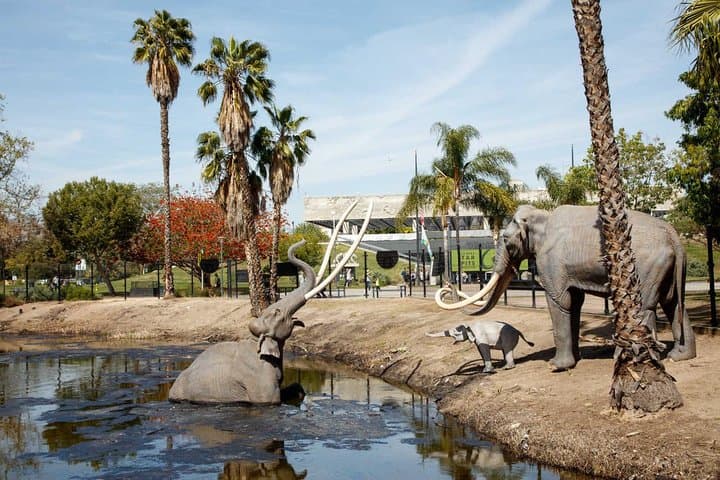
You step off Wilshire Boulevard into a pocket of prehistoric gravity: black pools shimmer where asphalt has bubbled for tens of thousands of years, and a low hum of jackhammers and conversation marks the active dig sites. The museum’s glass facades frame an otherworldly scene—pitted earth, cranes, and the steady rituals of paleontology—while the city’s skyscrapers keep an urban watch in the distance.
Verified experiences and guided adventures in the surrounding area.
Operated by LOS ANGELES COUNTY MUSEUM OF NATURAL HISTORY FOUNDATION · Los Angeles, California
You step off Wilshire Boulevard into a pocket of prehistoric gravity: black pools shimmer where asphalt has bubbled for tens of thousands of years, and a low hum of jackhammers and conversation marks the active dig sites. The museum’s glass facades frame an otherworldly scene—pitted earth, cranes, and the steady rituals of paleontology—while the city’s skyscrapers keep an urban watch in the distance.
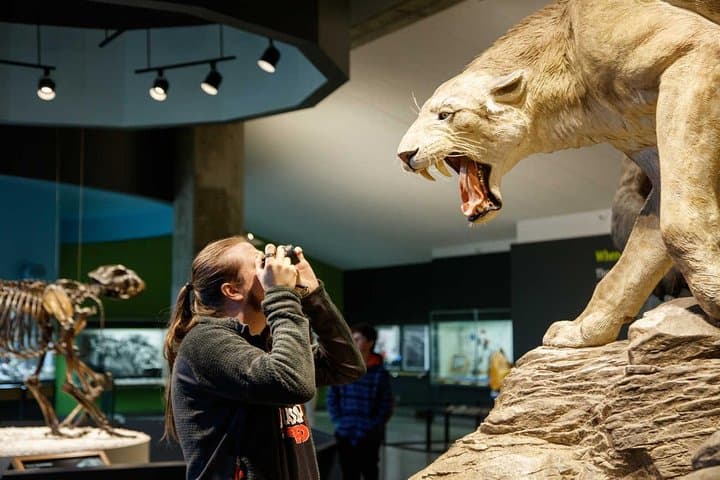
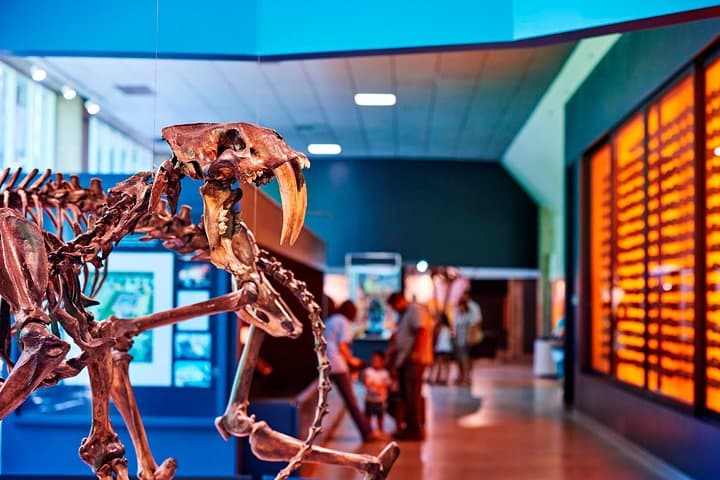
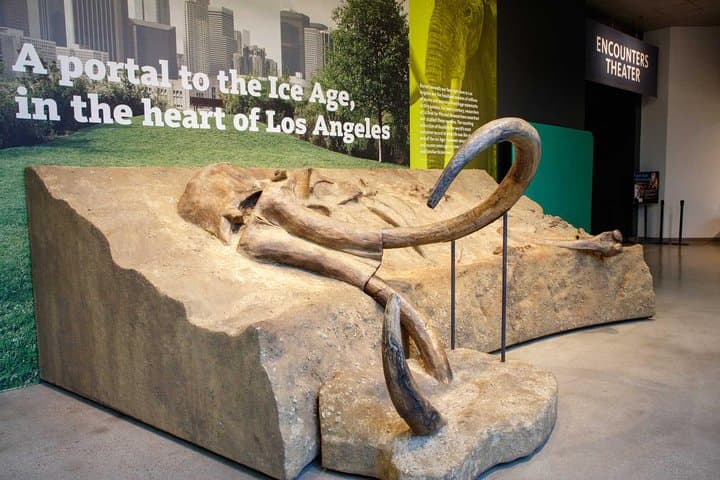
The story here is geological and civic. Natural asphalt seeps rose through the ground during the late Pleistocene; trapped animals left a rich fossil record that has been studied since the late 1800s. Excavations at Pit 91 and Project 23 continue to reveal Smilodon, mammoth and ground sloth remains that rewrite local climate and ecological histories. Culturally, the site transformed Hancock Park from a municipal fossil yard into a public-science campus where laboratories and exhibits coexist with outdoor pits and a reconstructed Pleistocene Garden.
The experience balances observation and explanation: watch technicians in the Fossil Lab, join the free Excavator Tour to learn why so many large mammals were drawn to the tar, and walk the observation paths that keep the fragile work protected. Nature here has agency—the tar reaches, traps, and preserves—so stay on boardwalks and respect signage.
Practicalities: allow about two hours to see the museum, pits, and lab; arrive early to avoid midday crowds and L.A. heat. Comfortable walking shoes, a water bottle, and sun protection make the visit easier, and photography is allowed in most areas (follow staff directions). This is a hands-on science site in the middle of the city—expect a mix of outdoor fieldwork and indoor exhibits that together tell the story of Ice Age Los Angeles.
easy.
2 hours.
Suitable for all fitness levels; involves moderate walking on paved and boardwalk surfaces.
Yes—Excavator Tours are free with general admission but may have limited spots; reserve early when possible.
Plan about two hours to see the outdoor pits, Pleistocene Garden, main exhibits, and the Fossil Lab; longer if you attend multiple tours or special exhibits.
Yes—the museum and most observation areas are wheelchair accessible; boardwalks and ramps provide route options, and staff can assist as needed.
Photography is generally allowed in public areas, but obey posted restrictions and staff directions—no flash near delicate specimens or active conservation work.
La Brea’s asphalt seeps captured animals during the late Pleistocene; systematic excavations began in the late 19th century and continue today at active pits like Pit 91.
The museum practices specimen conservation and public education to protect fragile fossils and maintain an active research program; visitors help by staying on designated paths and following staff guidance.
LOS ANGELES COUNTY MUSEUM OF NATURAL HISTORY FOUNDATION operates guided outdoor trips and adventures with an emphasis on safety, stewardship, and memorable experiences.
You step off Wilshire Boulevard into a pocket of prehistoric gravity: black pools shimmer where asphalt has bubbled for tens of thousands of years, and a low hum of jackhammers and conversation marks the active dig sites. The museum’s glass facades frame an otherworldly scene—pitted earth, cranes, and the steady rituals of paleontology—while the city’s skyscrapers keep an urban watch in the distance.
You step off Wilshire Boulevard into a pocket of prehistoric gravity: black pools shimmer where asphalt has bubbled for tens of thousands of years, and a low hum of jackhammers and conversation marks the active dig sites. The museum’s glass facades frame an otherworldly scene—pitted earth, cranes, and the steady rituals of paleontology—while the city’s skyscrapers keep an urban watch in the distance.
The story here is geological and civic. Natural asphalt seeps rose through the ground during the late Pleistocene; trapped animals left a rich fossil record that has been studied since the late 1800s. Excavations at Pit 91 and Project 23 continue to reveal Smilodon, mammoth and ground sloth remains that rewrite local climate and ecological histories. Culturally, the site transformed Hancock Park from a municipal fossil yard into a public-science campus where laboratories and exhibits coexist with outdoor pits and a reconstructed Pleistocene Garden.
The experience balances observation and explanation: watch technicians in the Fossil Lab, join the free Excavator Tour to learn why so many large mammals were drawn to the tar, and walk the observation paths that keep the fragile work protected. Nature here has agency—the tar reaches, traps, and preserves—so stay on boardwalks and respect signage.
Practicalities: allow about two hours to see the museum, pits, and lab; arrive early to avoid midday crowds and L.A. heat. Comfortable walking shoes, a water bottle, and sun protection make the visit easier, and photography is allowed in most areas (follow staff directions). This is a hands-on science site in the middle of the city—expect a mix of outdoor fieldwork and indoor exhibits that together tell the story of Ice Age Los Angeles.