THE ADVENTURE COLLECTIVE® · Independent discovery and booking for outdoor travel

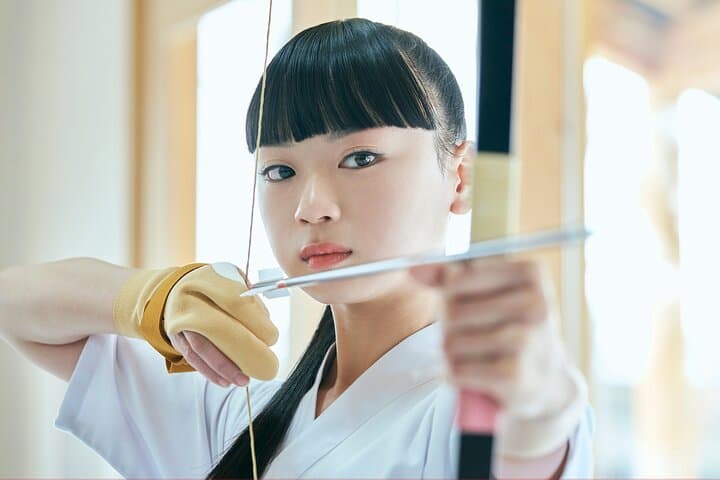
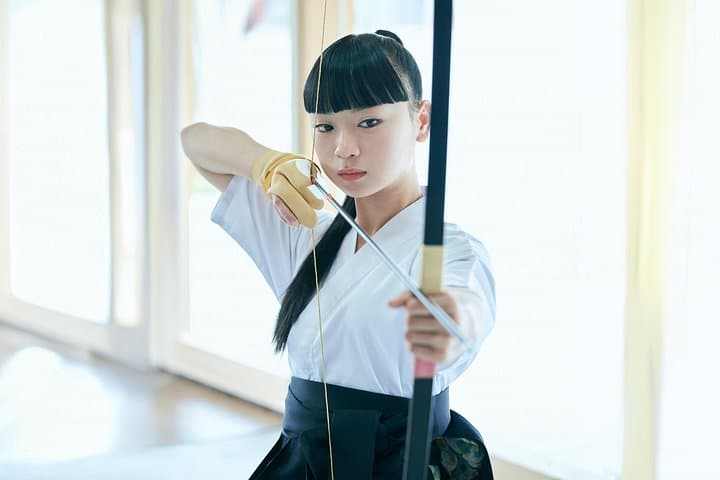
Try kyudo at Hiroshima Castle and learn the precise, ceremonial movements of Japanese archery while dressed in traditional dogi and hakama. This one-hour lesson blends clear instruction with cultural context—ideal for curious beginners and photographers.
Try kyudo at Hiroshima Castle and learn the precise, ceremonial movements of Japanese archery while dressed in traditional dogi and hakama. This one-hour lesson blends clear instruction with cultural context—ideal for curious beginners and photographers.
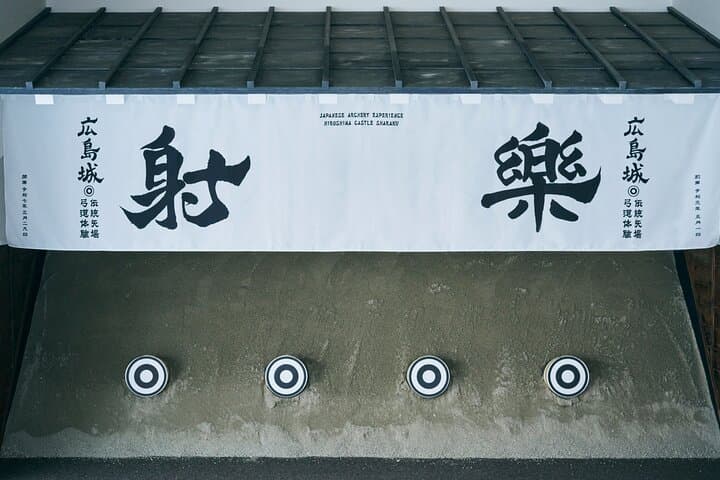
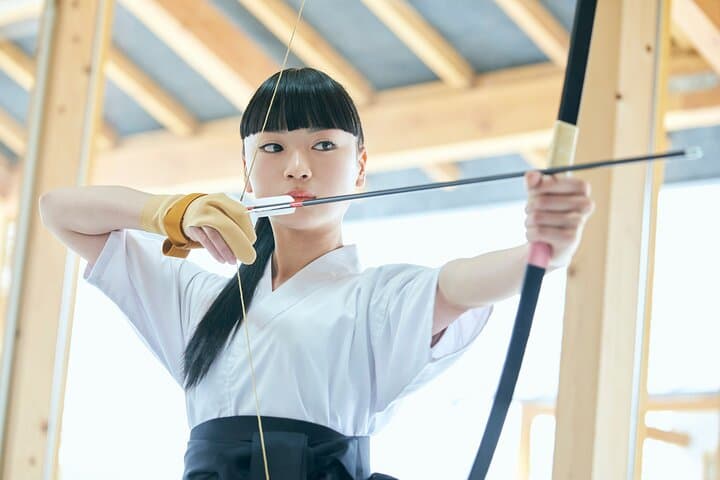
You step from the stone path into a quiet courtyard where the wooden bow feels heavier than it looks, the castle’s white keep watching like a patient teacher. A soft breeze moves over the moat; the target waits at the far end of the range and the rhythm of kyudo—stand, draw, release—begins to shape the moment.
Verified experiences and guided adventures in the surrounding area.
Operated by HIROSHIMA CASTLE SHARAKU · Hiroshima, Hiroshima Prefecture
You step from the stone path into a quiet courtyard where the wooden bow feels heavier than it looks, the castle’s white keep watching like a patient teacher. A soft breeze moves over the moat; the target waits at the far end of the range and the rhythm of kyudo—stand, draw, release—begins to shape the moment.
Hiroshima Castle dates to the late 16th century; its current keep is a postwar reconstruction that preserves Edo-period layout and the surrounding grounds. Kyudo evolved within samurai culture and mixes precise biomechanics with ritual: each movement honors bow, arrow and space. The range at the castle foregrounds that lineage—traditional dogi and hakama are provided, and instructors guide beginners through the full sequence so you can feel the discipline rather than merely shoot.
Expect wooden floors, careful bow handling, and clear demonstrations before you attempt a shot. Staff use translation apps when needed; classes welcome first-timers and allow supervised pulling of arrows that would normally be restricted to trained practitioners.
Practical notes: the lesson lasts about an hour and is accessible to most fitness levels, but avoid if you have shoulder or back injuries. Wear comfortable, non-restrictive clothing under the hakama, and arrive 10–15 minutes early for fitting. Camera-friendly moments abound, but follow instructors’ signals—respect for protocol is part of the experience. Whether you come for a unique photo or the quiet focus of a traditional martial art, kyudo at Hiroshima Castle offers a compact, disciplined encounter with Japan’s living heritage.
easy.
1 hour.
Light activity—standing, basic strength and coordination; suitable for most people without shoulder/arm injuries.
No; classes are designed for complete beginners with step-by-step instruction and supervised practice.
Yes—facility and transportation are listed as wheelchair accessible, but check with the operator for specific assistance needs.
You can wear your own comfortable, non-restrictive clothes, but the traditional dogi and hakama are provided and encouraged for the full experience.
Staff commonly use translation apps; some instructors may not speak English fluently, but demonstrations and hands-on coaching bridge language gaps.
Hiroshima Castle was originally built in the late 16th century, destroyed in 1945, and reconstructed in the 1950s as a museum preserving feudal-era layout.
The castle grounds are a protected historic site—follow posted rules, avoid trampling plantings, and limit noise to preserve the setting for other visitors.
HIROSHIMA CASTLE SHARAKU operates guided outdoor trips and adventures with an emphasis on safety, stewardship, and memorable experiences.
You step from the stone path into a quiet courtyard where the wooden bow feels heavier than it looks, the castle’s white keep watching like a patient teacher. A soft breeze moves over the moat; the target waits at the far end of the range and the rhythm of kyudo—stand, draw, release—begins to shape the moment.
You step from the stone path into a quiet courtyard where the wooden bow feels heavier than it looks, the castle’s white keep watching like a patient teacher. A soft breeze moves over the moat; the target waits at the far end of the range and the rhythm of kyudo—stand, draw, release—begins to shape the moment.
Hiroshima Castle dates to the late 16th century; its current keep is a postwar reconstruction that preserves Edo-period layout and the surrounding grounds. Kyudo evolved within samurai culture and mixes precise biomechanics with ritual: each movement honors bow, arrow and space. The range at the castle foregrounds that lineage—traditional dogi and hakama are provided, and instructors guide beginners through the full sequence so you can feel the discipline rather than merely shoot.
Expect wooden floors, careful bow handling, and clear demonstrations before you attempt a shot. Staff use translation apps when needed; classes welcome first-timers and allow supervised pulling of arrows that would normally be restricted to trained practitioners.
Practical notes: the lesson lasts about an hour and is accessible to most fitness levels, but avoid if you have shoulder or back injuries. Wear comfortable, non-restrictive clothing under the hakama, and arrive 10–15 minutes early for fitting. Camera-friendly moments abound, but follow instructors’ signals—respect for protocol is part of the experience. Whether you come for a unique photo or the quiet focus of a traditional martial art, kyudo at Hiroshima Castle offers a compact, disciplined encounter with Japan’s living heritage.