THE ADVENTURE COLLECTIVE® · Independent discovery and booking for outdoor travel

Ascend Kyoto Tower’s observation deck for a clear, measured view of the city’s historic temples and mountain rim. This guide explains what you’ll see, practical tips for timing your visit, and how to make the most of 100 meters of perspective.
Ascend Kyoto Tower’s observation deck for a clear, measured view of the city’s historic temples and mountain rim. This guide explains what you’ll see, practical tips for timing your visit, and how to make the most of 100 meters of perspective.
You step out of Kyoto Station into the open plaza and your eyes are drawn upward: a slim white tower rises, an observation ring perched near its crown. Inside, the elevator hums, and in a minute you’re 100 meters above the city—rooftops, temple roofs, and mountain ridgelines fanning away like pages in a field guide.
Verified experiences and guided adventures in the surrounding area.
Operated by Trevopedia Wonders · Kyoto, Kyoto Prefecture
You step out of Kyoto Station into the open plaza and your eyes are drawn upward: a slim white tower rises, an observation ring perched near its crown. Inside, the elevator hums, and in a minute you’re 100 meters above the city—rooftops, temple roofs, and mountain ridgelines fanning away like pages in a field guide.
Kyoto Tower opened in 1964 as a modern counterpoint to the city’s centuries-old temples. Built without a conventional steel frame, it reaches 131 meters and was intended as a symbol of postwar renewal. From the deck you can pinpoint To-ji’s five-story pagoda, the terraces of Kiyomizu-dera, and the low-profile machiya neighborhoods that preserve Kyoto’s urban fabric.
Geologically, the city sits on a flat basin ringed by forested hills; on clear days the distant peaks assert themselves with surprising clarity, daring you to move beyond the skyline. Cultural layers are visible from above: temple compounds, modern transport arteries, and festival grounds where communities still gather.
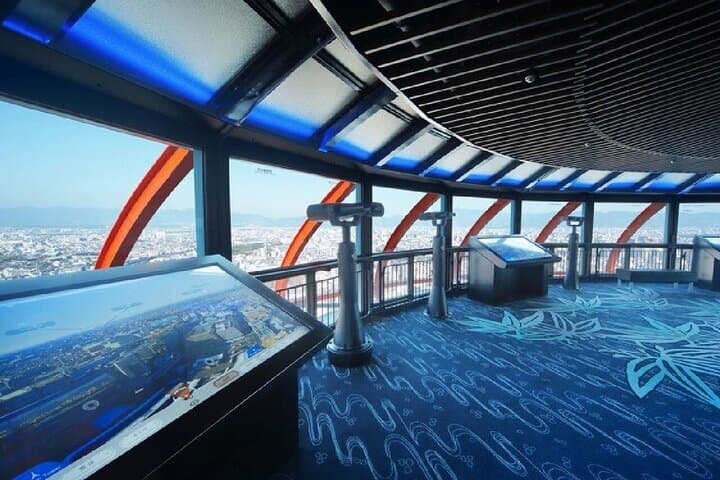
Practical guidance: plan 60–90 minutes for the visit to account for lines and the observation deck’s telescopes and exhibits. Early morning or late afternoon reduces crowds and gives the light that reveals rooflines and garden layouts. Bring a camera with a small telephoto to isolate distant pagodas, and be prepared to show an e-voucher—printed screenshots are not accepted. The facility is wheelchair accessible, but once you exit you cannot re-enter on the same ticket, so take time to view thoughtfully. Check official hours before you go; some events (New Year’s Day, Gozan no Okuribi) restrict access.
easy.
1–2 hours.
Suitable for all fitness levels; mostly standing and slow walking on level surfaces
No; the attraction requires a mobile e‑voucher with internet access—printed screenshots are not accepted.
Yes; infants under 2 are free but must sit on an adult’s lap. Children aged 3–5 require an on-site child ticket purchase (approx. JP¥200).
Yes. The facility and surfaces are wheelchair accessible, and transportation options nearby accommodate mobility needs.
No. Once you exit the premises you cannot re-enter with the same ticket, so complete your viewing before descending.
Kyoto Tower opened in 1964 as a modern landmark for a city known for temples; its observation deck sits at 100 meters with a total tower height of 131 meters.
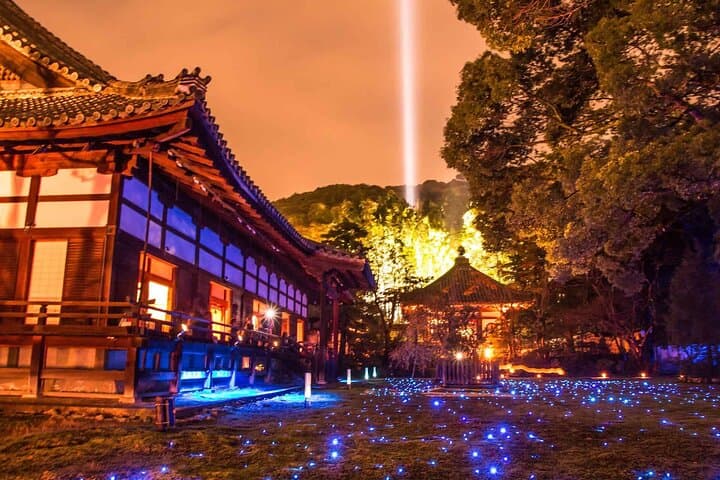
Be mindful of light pollution and crowds; limit flash photography when looking into temple precincts and follow staff guidance to reduce wear on viewing areas.
Trevopedia Wonders operates guided outdoor trips and adventures with an emphasis on safety, stewardship, and memorable experiences.
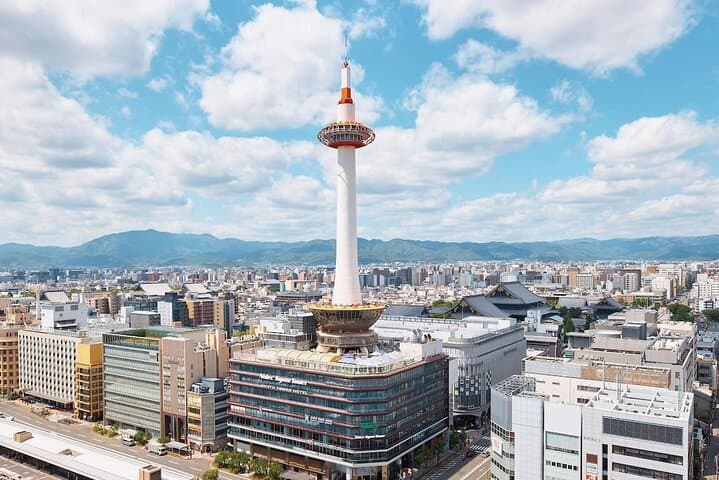
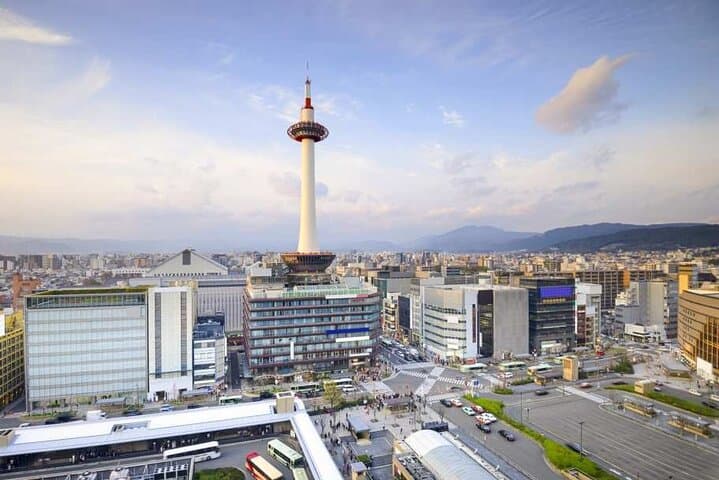
You step out of Kyoto Station into the open plaza and your eyes are drawn upward: a slim white tower rises, an observation ring perched near its crown. Inside, the elevator hums, and in a minute you’re 100 meters above the city—rooftops, temple roofs, and mountain ridgelines fanning away like pages in a field guide.
You step out of Kyoto Station into the open plaza and your eyes are drawn upward: a slim white tower rises, an observation ring perched near its crown. Inside, the elevator hums, and in a minute you’re 100 meters above the city—rooftops, temple roofs, and mountain ridgelines fanning away like pages in a field guide.
Kyoto Tower opened in 1964 as a modern counterpoint to the city’s centuries-old temples. Built without a conventional steel frame, it reaches 131 meters and was intended as a symbol of postwar renewal. From the deck you can pinpoint To-ji’s five-story pagoda, the terraces of Kiyomizu-dera, and the low-profile machiya neighborhoods that preserve Kyoto’s urban fabric.
Geologically, the city sits on a flat basin ringed by forested hills; on clear days the distant peaks assert themselves with surprising clarity, daring you to move beyond the skyline. Cultural layers are visible from above: temple compounds, modern transport arteries, and festival grounds where communities still gather.
Practical guidance: plan 60–90 minutes for the visit to account for lines and the observation deck’s telescopes and exhibits. Early morning or late afternoon reduces crowds and gives the light that reveals rooflines and garden layouts. Bring a camera with a small telephoto to isolate distant pagodas, and be prepared to show an e-voucher—printed screenshots are not accepted. The facility is wheelchair accessible, but once you exit you cannot re-enter on the same ticket, so take time to view thoughtfully. Check official hours before you go; some events (New Year’s Day, Gozan no Okuribi) restrict access.