THE ADVENTURE COLLECTIVE® · Independent discovery and booking for outdoor travel

Ride a traditional rickshaw through Kyoto’s Heian Shrine and Nanzenji Temple districts on a private 60-minute tour. Enjoy close-up views of vermilion gates, Meiji-era aqueducts, and seasonal cherry blossoms with expert local commentary.
Ride a traditional rickshaw through Kyoto’s Heian Shrine and Nanzenji Temple districts on a private 60-minute tour. Enjoy close-up views of vermilion gates, Meiji-era aqueducts, and seasonal cherry blossoms with expert local commentary.
The rickshaw creaks to life and the city's quieter side unfolds: a vermilion torii rising like a patient guardian, tiled roofs giving way to mossy stone, and cherry trees that dare the wind to drop a single petal. For sixty minutes, a two-person rickshaw threads Kyoto’s Okazaki and Nanzenji precincts, moving at a pace that lets the city speak — the soft clack of wooden wheels, the scent of incense from temple grounds, and guides who point out architectural details usually missed from a bus window.
Verified experiences and guided adventures in the surrounding area.
Operated by Fun Group Japan · Kyoto, Kyoto
The rickshaw creaks to life and the city's quieter side unfolds: a vermilion torii rising like a patient guardian, tiled roofs giving way to mossy stone, and cherry trees that dare the wind to drop a single petal. For sixty minutes, a two-person rickshaw threads Kyoto’s Okazaki and Nanzenji precincts, moving at a pace that lets the city speak — the soft clack of wooden wheels, the scent of incense from temple grounds, and guides who point out architectural details usually missed from a bus window.
Heian Shrine was built in the late 19th century as a large-scale homage to Kyoto’s classical layout; its bright lacquered beams contrast with the Zen austerity of nearby Nanzenji, an 8th–13th century temple complex expanded over centuries. The Meiji-era Suirokaku Aqueduct introduces a brick-and-iron note into a largely wooden cityscape, while the Keage Incline recalls Kyoto’s industrial past and now lights up in spring with cherry blossoms.
This private tour balances cultural context with easy access: guides provide narration, you can hop off briefly to take photos, and routes cover both shrine precincts and quieter villa-lined streets. Expect short, flat pavement with occasional cobbles; minimal physical effort is required.
Practical guidance: book morning or late afternoon to avoid crowds and harsh sun; bring a light layer for early-season chill or evening cool; collars for respectful temple visits; and a compact camera for low-angle shots from the rickshaw. The experience is ideal for travelers seeking a focused, low-impact introduction to central Kyoto’s historic core.
easy.
1 hour (60 minutes).
Minimal fitness required; suitable for travelers with limited mobility who can sit unassisted for an hour
Each rickshaw is private and accommodates up to two adults; infants may sit on laps.
Tipping is not customary in Japan; a sincere thank-you or small gesture is appreciated but not required.
Rickshaws require stepping in and out and are not suitable for most wheelchairs; contact the operator about alternatives or nearby accessible routes.
Guides typically offer commentary in Japanese and commonly English; confirm language availability when booking.
Heian Shrine was constructed in 1895 to commemorate Kyoto’s founding; the Suirokaku Aqueduct dates to the Meiji period, blending Western engineering into the temple precincts.
Visitors are asked to stay on marked paths, avoid feeding wildlife, and carry out litter to protect temple grounds and historic masonry.
Fun Group Japan operates guided outdoor trips and adventures with an emphasis on safety, stewardship, and memorable experiences.
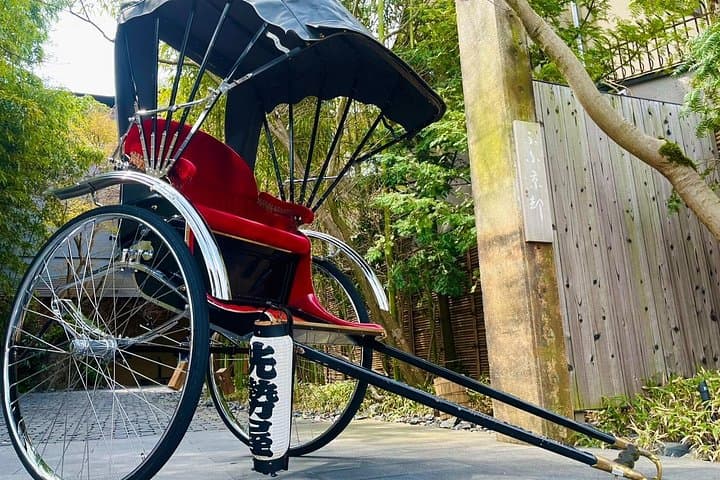
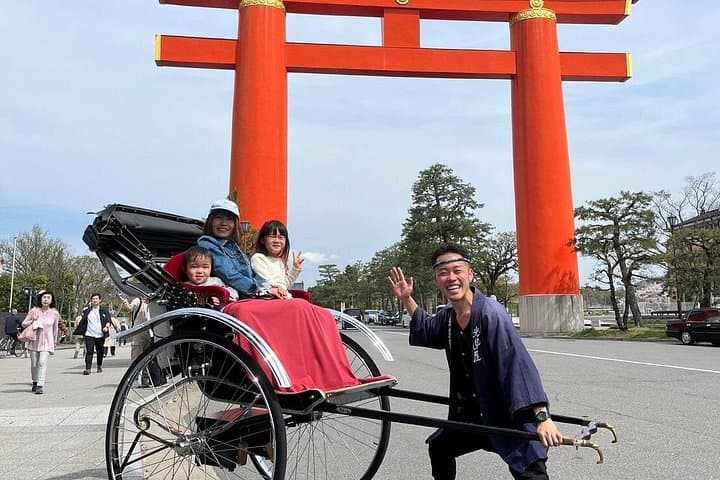
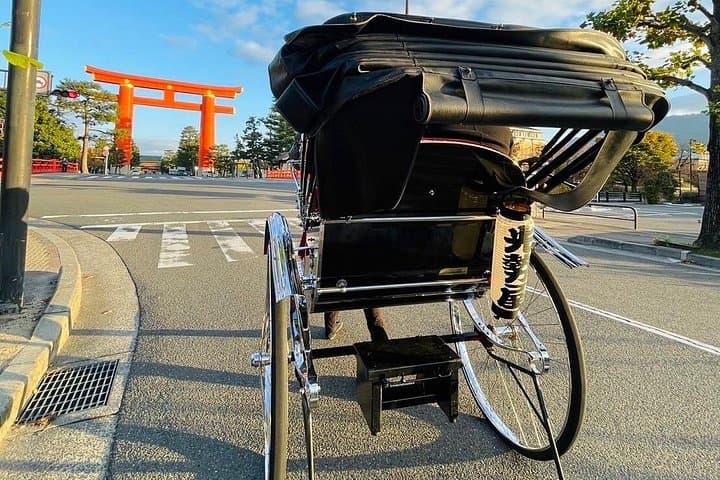
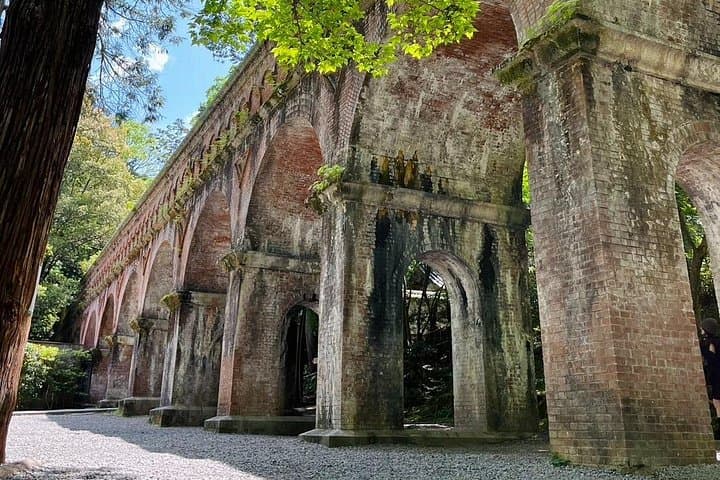
The rickshaw creaks to life and the city's quieter side unfolds: a vermilion torii rising like a patient guardian, tiled roofs giving way to mossy stone, and cherry trees that dare the wind to drop a single petal. For sixty minutes, a two-person rickshaw threads Kyoto’s Okazaki and Nanzenji precincts, moving at a pace that lets the city speak — the soft clack of wooden wheels, the scent of incense from temple grounds, and guides who point out architectural details usually missed from a bus window.
The rickshaw creaks to life and the city's quieter side unfolds: a vermilion torii rising like a patient guardian, tiled roofs giving way to mossy stone, and cherry trees that dare the wind to drop a single petal. For sixty minutes, a two-person rickshaw threads Kyoto’s Okazaki and Nanzenji precincts, moving at a pace that lets the city speak — the soft clack of wooden wheels, the scent of incense from temple grounds, and guides who point out architectural details usually missed from a bus window.
Heian Shrine was built in the late 19th century as a large-scale homage to Kyoto’s classical layout; its bright lacquered beams contrast with the Zen austerity of nearby Nanzenji, an 8th–13th century temple complex expanded over centuries. The Meiji-era Suirokaku Aqueduct introduces a brick-and-iron note into a largely wooden cityscape, while the Keage Incline recalls Kyoto’s industrial past and now lights up in spring with cherry blossoms.
This private tour balances cultural context with easy access: guides provide narration, you can hop off briefly to take photos, and routes cover both shrine precincts and quieter villa-lined streets. Expect short, flat pavement with occasional cobbles; minimal physical effort is required.
Practical guidance: book morning or late afternoon to avoid crowds and harsh sun; bring a light layer for early-season chill or evening cool; collars for respectful temple visits; and a compact camera for low-angle shots from the rickshaw. The experience is ideal for travelers seeking a focused, low-impact introduction to central Kyoto’s historic core.