THE ADVENTURE COLLECTIVE® · Independent discovery and booking for outdoor travel

Transform into a samurai for an hour in a private Kyoto studio—authentic attire, professional styling and studio backdrops produce polished portraits that evoke Edo-period Japan. Book ahead and arrive early for the best final images.
Transform into a samurai for an hour in a private Kyoto studio—authentic attire, professional styling and studio backdrops produce polished portraits that evoke Edo-period Japan. Book ahead and arrive early for the best final images.
You step through a simple doorway and the city noise thins; inside, lacquered wood, paper screens and the weight of a cuirass fill the air. A stylist guides your posture while an attendant tightens the obi and adjusts a helmet—suddenly the photograph feels less like a picture and more like a re-staging of a moment from Edo-era life.
Verified experiences and guided adventures in the surrounding area.
Operated by HAGOROMOYA · Kyoto, Kyoto Prefecture
You step through a simple doorway and the city noise thins; inside, lacquered wood, paper screens and the weight of a cuirass fill the air. A stylist guides your posture while an attendant tightens the obi and adjusts a helmet—suddenly the photograph feels less like a picture and more like a re-staging of a moment from Edo-era life.
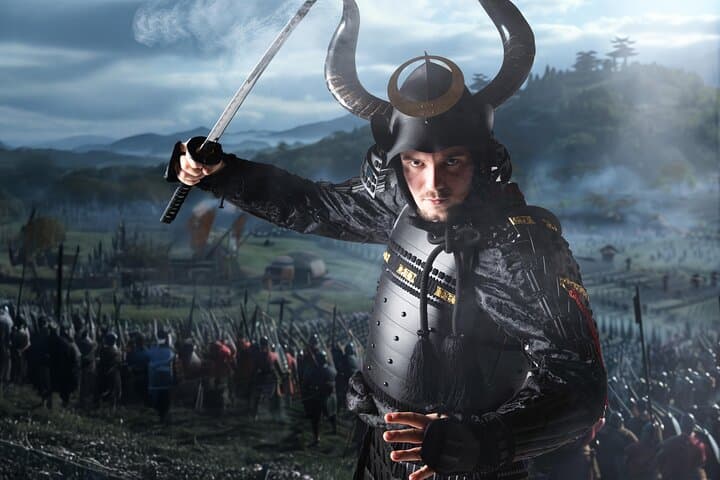
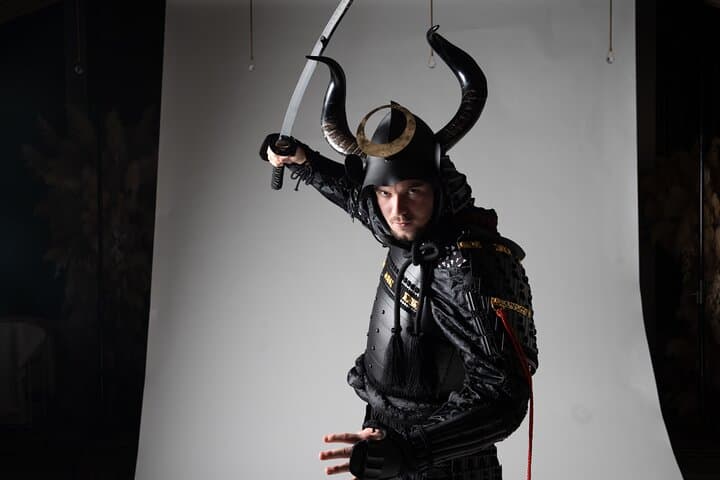
Kyoto was Japan’s imperial capital for centuries, and samurai attire seen here borrows directly from the patterns, cuts and symbolism developed during the Edo period (1603–1868). The studio blends traditional textiles and armor motifs with modern composite backdrops—temple gardens, snow-scored pines or dramatic mountain silhouettes—to produce portraits that read both historical and cinematic.
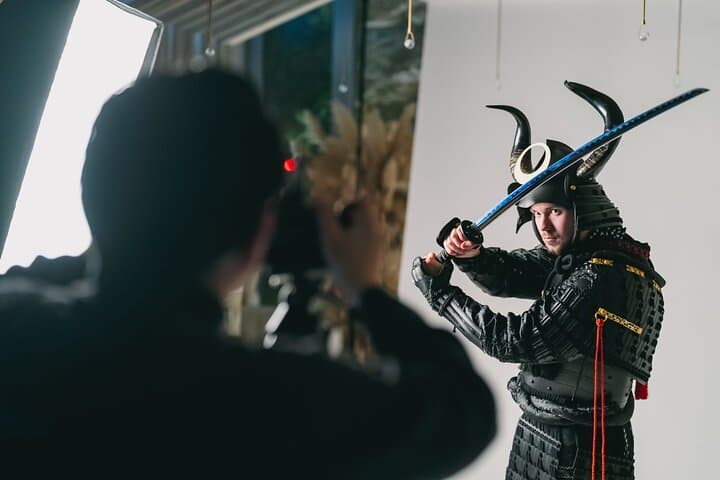
Expect a calm, deliberate pace: dressing, posing and quick lighting adjustments are condensed into a 60-minute session. The experience emphasizes craftsmanship—silk, brocade and metalwork details—so handling instructions and cultural respect are part of the process. The photographic product typically includes retouched selections plus raw files for personal use.
Practical guidance: book in advance with passport details for sizing, arrive 10–15 minutes early, and dress in easy layers you can change out of. If you have allergies or mobility limits, note them when booking—some armor pieces are rigid. Morning slots yield softer natural light for composite matching; evenings can feel more cinematic under studio lamps. Treat the outfits and props with care, follow the attendant’s directions, and you’ll leave with a polished portrait and a tangible connection to Kyoto’s warrior-era aesthetics.
easy.
1 hour.
No special fitness required; suitable for most mobility levels though some armor can be stiff.
The Shogun Plan is a 60-minute private session; it typically includes dressing in samurai attire, studio styling, two retouched photos plus a folio print and additional unretouched image files.
Infants must sit on an adult’s lap and the provider notes the experience is not recommended for those with back, heart, or pregnancy-related restrictions.
Yes—studios usually offer composite background choices and will accommodate reasonable pose requests; communicate preferences when booking or on arrival.
All sales are final with no refunds available, so confirm schedules and travel plans before booking.
Samurai dress reflects Edo-period class structure and textile craftsmanship; Kyoto’s workshops preserved many garment-making techniques still used in studio reproductions.
Studios and local craft shops emphasize respectful handling of historic fabrics and support local textile artisans; avoid flash photography on delicate antique pieces.
HAGOROMOYA operates guided outdoor trips and adventures with an emphasis on safety, stewardship, and memorable experiences.
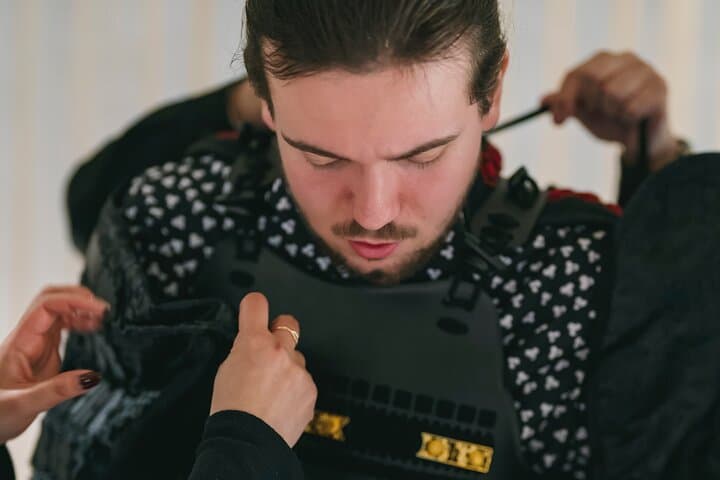
You step through a simple doorway and the city noise thins; inside, lacquered wood, paper screens and the weight of a cuirass fill the air. A stylist guides your posture while an attendant tightens the obi and adjusts a helmet—suddenly the photograph feels less like a picture and more like a re-staging of a moment from Edo-era life.
You step through a simple doorway and the city noise thins; inside, lacquered wood, paper screens and the weight of a cuirass fill the air. A stylist guides your posture while an attendant tightens the obi and adjusts a helmet—suddenly the photograph feels less like a picture and more like a re-staging of a moment from Edo-era life.
Kyoto was Japan’s imperial capital for centuries, and samurai attire seen here borrows directly from the patterns, cuts and symbolism developed during the Edo period (1603–1868). The studio blends traditional textiles and armor motifs with modern composite backdrops—temple gardens, snow-scored pines or dramatic mountain silhouettes—to produce portraits that read both historical and cinematic.
Expect a calm, deliberate pace: dressing, posing and quick lighting adjustments are condensed into a 60-minute session. The experience emphasizes craftsmanship—silk, brocade and metalwork details—so handling instructions and cultural respect are part of the process. The photographic product typically includes retouched selections plus raw files for personal use.
Practical guidance: book in advance with passport details for sizing, arrive 10–15 minutes early, and dress in easy layers you can change out of. If you have allergies or mobility limits, note them when booking—some armor pieces are rigid. Morning slots yield softer natural light for composite matching; evenings can feel more cinematic under studio lamps. Treat the outfits and props with care, follow the attendant’s directions, and you’ll leave with a polished portrait and a tangible connection to Kyoto’s warrior-era aesthetics.