THE ADVENTURE COLLECTIVE® · Independent discovery and booking for outdoor travel

Train in a traditional Kyoto dojo, don hakama, and learn basic iaido with safe replica swords, then explore samurai armor and history with a complimentary museum tour. A hands-on, two-hour cultural practice designed for beginners.
Train in a traditional Kyoto dojo, don hakama, and learn basic iaido with safe replica swords, then explore samurai armor and history with a complimentary museum tour. A hands-on, two-hour cultural practice designed for beginners.
You step into a low-lit dojo a few blocks from Kyoto’s busy shopping streets, the wooden floor cool beneath your shoes and the replica blades gleaming like stories waiting to be told.
Verified experiences and guided adventures in the surrounding area.
Operated by Maikoya · Kyoto, Kyoto Prefecture
You step into a low-lit dojo a few blocks from Kyoto’s busy shopping streets, the wooden floor cool beneath your shoes and the replica blades gleaming like stories waiting to be told.
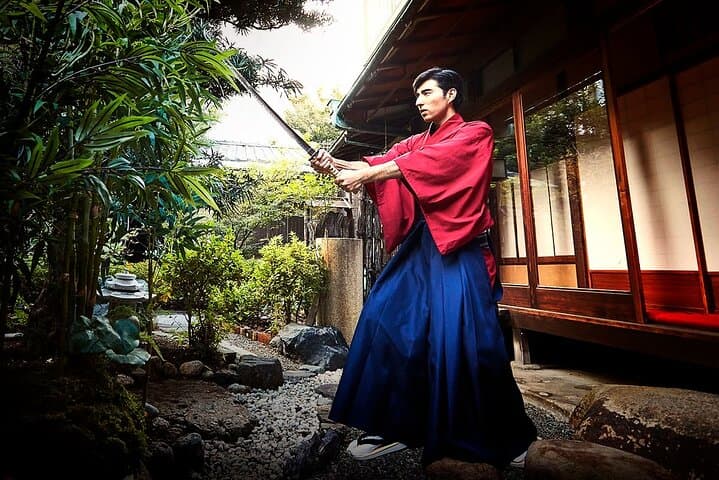
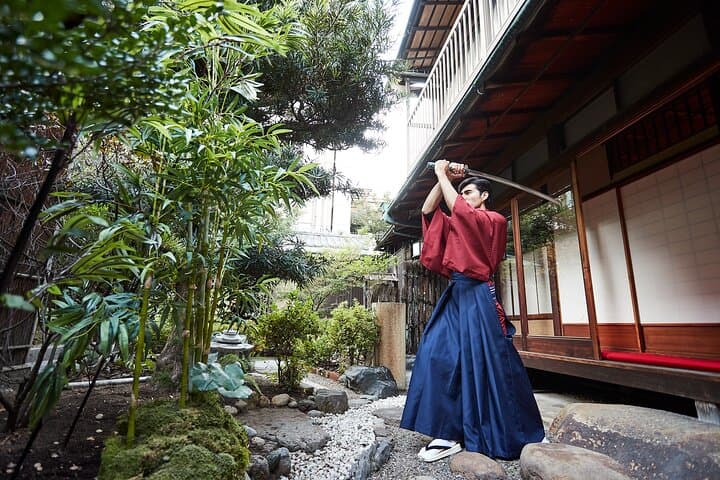
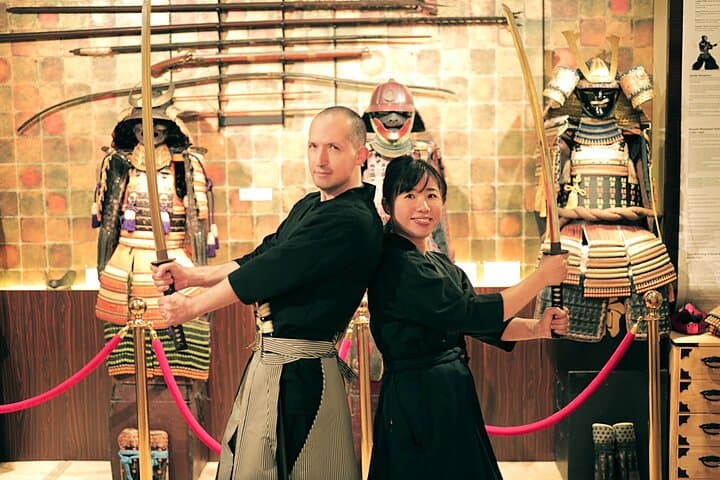
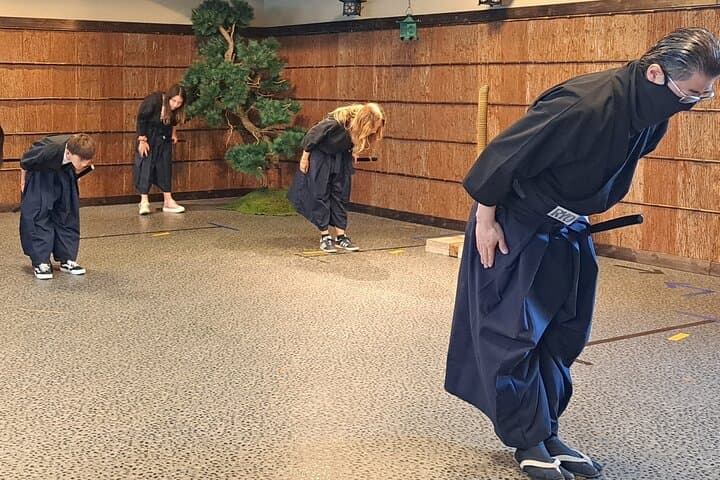
The session begins with hakama—slipping into the traditional trousers shifts posture and mindset. Instructors demonstrate iaido cuts and sheathing motions, then guide you through controlled solo forms before pairing you for a supervised, safe sword drill with blunt replicas. A complementary museum tour frames the practice: displays of armor, swords, and Edo-period context that explain why each movement mattered.
Kyoto’s streets sit on alluvial plains shaped by rivers, but the martial culture here grew in timber towns and castle cities—practical, disciplined, and ceremonial. The museum and dojo reflect that lineage: technique born of battlefield necessity, refined into ritual. Nearby shrines and merchant lanes show the civic life that supported samurai households.
Practical guidance: expect two hours total, part classroom, part movement lab. Wear comfortable, loose clothing you can move in and avoid skirts or restrictive items; shoes are removed for some sections. The experience uses replica weapons only—Japanese law restricts live blades—so the emphasis is on form, timing, and respect rather than cutting power. Sessions can include up to 22 guests, so arrive early to check in and secure your hakama size.
Whether you’re chasing cultural insight or a hands-on history lesson, this is a compact, disciplined encounter with Japan’s martial heritage—direct, tactile, and rooted in local history.
easy.
2 hours.
Suitable for most fitness levels; you should be able to stand and move lightly for the session.
No—Japanese law prohibits facilitating activities with live blades; training uses blunt, safe replicas and focuses on form and technique.
Policies vary by session; the attraction notes some minimum ages for entry—confirm at booking, as younger children may be excluded.
No prior martial arts experience is needed; instructors lead beginners through fundamentals at a measured pace.
Yes—the booking includes a complimentary museum ticket and a short history tour covering samurai armor and cultural context.
The demonstrations and museum pieces trace the transition from battlefield armor to ceremonial forms in the Edo period, where martial skills became linked to status and ritual.
The venue emphasizes preservation of historical artifacts and asks visitors to follow exhibit rules; as an urban site, minimize waste and respect small temple grounds nearby.
Maikoya operates guided outdoor trips and adventures with an emphasis on safety, stewardship, and memorable experiences.
You step into a low-lit dojo a few blocks from Kyoto’s busy shopping streets, the wooden floor cool beneath your shoes and the replica blades gleaming like stories waiting to be told.
You step into a low-lit dojo a few blocks from Kyoto’s busy shopping streets, the wooden floor cool beneath your shoes and the replica blades gleaming like stories waiting to be told.
The session begins with hakama—slipping into the traditional trousers shifts posture and mindset. Instructors demonstrate iaido cuts and sheathing motions, then guide you through controlled solo forms before pairing you for a supervised, safe sword drill with blunt replicas. A complementary museum tour frames the practice: displays of armor, swords, and Edo-period context that explain why each movement mattered.
Kyoto’s streets sit on alluvial plains shaped by rivers, but the martial culture here grew in timber towns and castle cities—practical, disciplined, and ceremonial. The museum and dojo reflect that lineage: technique born of battlefield necessity, refined into ritual. Nearby shrines and merchant lanes show the civic life that supported samurai households.
Practical guidance: expect two hours total, part classroom, part movement lab. Wear comfortable, loose clothing you can move in and avoid skirts or restrictive items; shoes are removed for some sections. The experience uses replica weapons only—Japanese law restricts live blades—so the emphasis is on form, timing, and respect rather than cutting power. Sessions can include up to 22 guests, so arrive early to check in and secure your hakama size.
Whether you’re chasing cultural insight or a hands-on history lesson, this is a compact, disciplined encounter with Japan’s martial heritage—direct, tactile, and rooted in local history.