THE ADVENTURE COLLECTIVE® · Independent discovery and booking for outdoor travel

Ride a traditional rickshaw through Higashiyama’s cobbled lanes with a local English-speaking guide. This private, customizable tour offers short to extended options that highlight temples, wooden townhouses and the chance to spot geisha on historic streets.
Ride a traditional rickshaw through Higashiyama’s cobbled lanes with a local English-speaking guide. This private, customizable tour offers short to extended options that highlight temples, wooden townhouses and the chance to spot geisha on historic streets.
Dusk softens the wooden facades of Higashiyama as the rickshaw's wheels whisper over ancient cobbles. You sit low, the driver’s steady rhythm setting the pace while narrow alleys unfold—stone lanterns, small shrines and the angled roofs of machiya houses passing like frames in a slow film.
Verified experiences and guided adventures in the surrounding area.
Operated by Ebisuya · Kyoto, Kyoto Prefecture
Dusk softens the wooden facades of Higashiyama as the rickshaw's wheels whisper over ancient cobbles. You sit low, the driver’s steady rhythm setting the pace while narrow alleys unfold—stone lanterns, small shrines and the angled roofs of machiya houses passing like frames in a slow film.
Higashiyama is one of Kyoto’s best-preserved historic districts, shaped by centuries of temple building and merchant life. Kōdaiji Temple and nearby Yasaka Shrine anchor the area; their gardens and ponds collect carp and seasonal color. Geology here is subtle—the city sits on alluvial terraces fed by the Kamo River, which guided roads and settlements for a thousand years.
Culturally the quarter retains a visible link to old Kyoto: you may glimpse maiko moving between appointments, shopkeepers polishing brass, and tea houses that keep traditional crafts alive. Local guides add context—explaining alley names, shrine rituals, and why certain gates face the river.
Practicalities are straightforward. Tours run 30–180 minutes from a defined Ichinenzaka meeting point by Kōdaiji; tours are private with an English-speaking guide. Each rickshaw seats two adults (book separately if wider seats are needed). Tours operate rain or shine; late arrivals reduce tour time and last-minute rescheduling is limited.
Bring layered clothing for cool evenings, sun protection in summer, and small-change for any temple fees or on-the-spot refreshments. For first-timers, a 60–90 minute tour balances highlights and pacing—enough time to feel the district's rhythm without rushing the streets that shaped Kyoto’s quieter history.
easy.
30–180 minutes.
Minimal fitness required; suitable for most ages but not recommended for people with spinal issues or late-stage pregnancy.
Each rickshaw comfortably fits up to two adults; if passengers do not both fit comfortably you must book an additional rickshaw.
The operator notes wheelchair accessibility for certain routes—contact the local provider in advance to confirm accessibility and any special arrangements.
Tours run rain or shine; drivers can provide basic cover but bring a rain jacket—the cancellation policy allows refunds for cancellations at least 24 hours prior.
Yes—tours are customizable depending on duration and guide availability; discuss preferences with the operator before your date.
Higashiyama grew around Kyoto’s medieval temple districts and merchant quarters; many surviving machiya reflect Edo-period urban planning and craft economies.
Respect temple grounds and signage—stay on paths, dispose of waste properly, and support local shops to help preserve the neighborhood’s historic fabric.
Ebisuya operates guided outdoor trips and adventures with an emphasis on safety, stewardship, and memorable experiences.
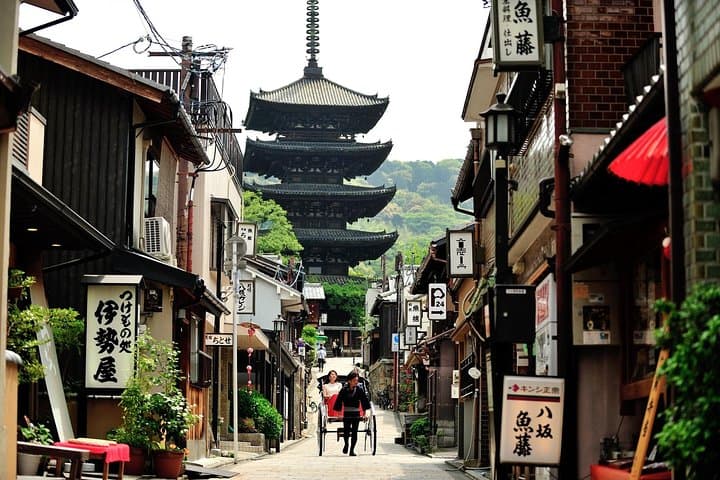
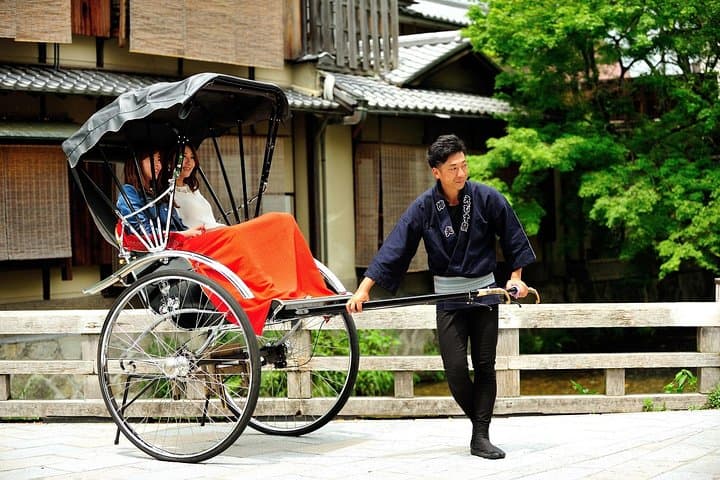
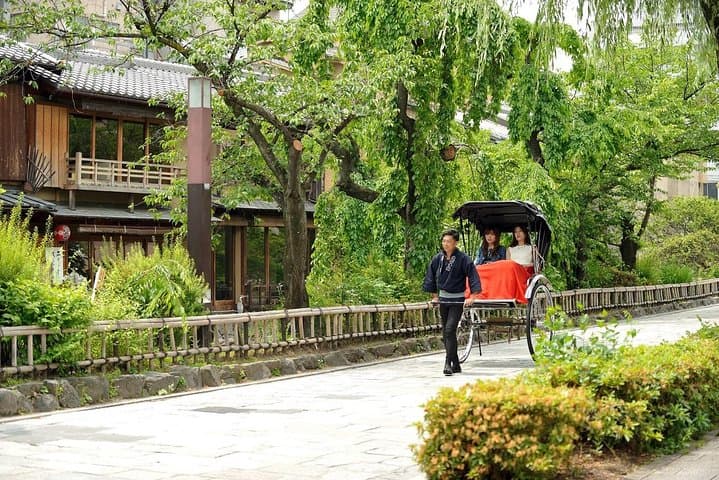
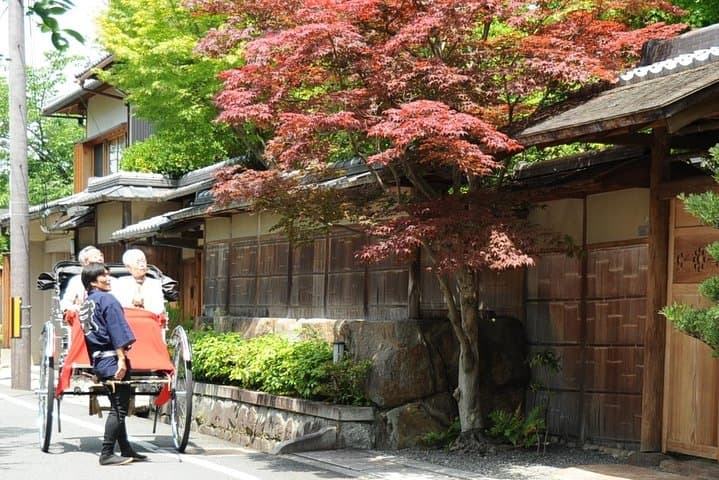
Dusk softens the wooden facades of Higashiyama as the rickshaw's wheels whisper over ancient cobbles. You sit low, the driver’s steady rhythm setting the pace while narrow alleys unfold—stone lanterns, small shrines and the angled roofs of machiya houses passing like frames in a slow film.
Dusk softens the wooden facades of Higashiyama as the rickshaw's wheels whisper over ancient cobbles. You sit low, the driver’s steady rhythm setting the pace while narrow alleys unfold—stone lanterns, small shrines and the angled roofs of machiya houses passing like frames in a slow film.
Higashiyama is one of Kyoto’s best-preserved historic districts, shaped by centuries of temple building and merchant life. Kōdaiji Temple and nearby Yasaka Shrine anchor the area; their gardens and ponds collect carp and seasonal color. Geology here is subtle—the city sits on alluvial terraces fed by the Kamo River, which guided roads and settlements for a thousand years.
Culturally the quarter retains a visible link to old Kyoto: you may glimpse maiko moving between appointments, shopkeepers polishing brass, and tea houses that keep traditional crafts alive. Local guides add context—explaining alley names, shrine rituals, and why certain gates face the river.
Practicalities are straightforward. Tours run 30–180 minutes from a defined Ichinenzaka meeting point by Kōdaiji; tours are private with an English-speaking guide. Each rickshaw seats two adults (book separately if wider seats are needed). Tours operate rain or shine; late arrivals reduce tour time and last-minute rescheduling is limited.
Bring layered clothing for cool evenings, sun protection in summer, and small-change for any temple fees or on-the-spot refreshments. For first-timers, a 60–90 minute tour balances highlights and pacing—enough time to feel the district's rhythm without rushing the streets that shaped Kyoto’s quieter history.