THE ADVENTURE COLLECTIVE® · Independent discovery and booking for outdoor travel

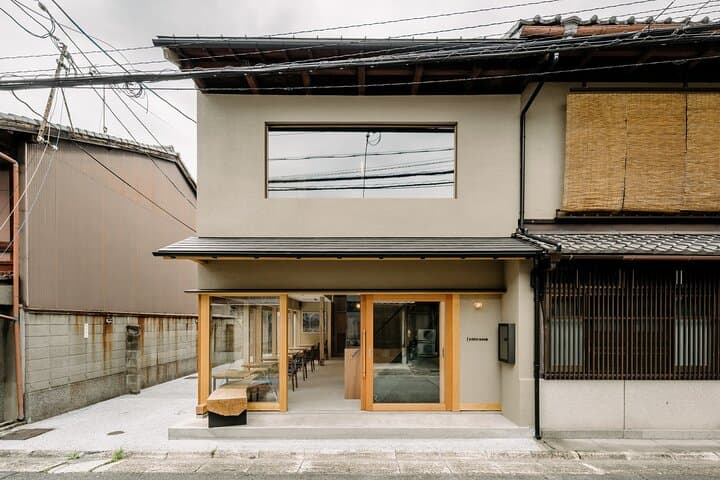
Walk Kyoto’s historic streets with a licensed English guide, explore two or three signature sites, then learn to make nigiri and maki at atelier SUSHI using fresh ingredients from Nishiki Market. This six-hour private tour blends cultural context with hands-on culinary skill.
Walk Kyoto’s historic streets with a licensed English guide, explore two or three signature sites, then learn to make nigiri and maki at atelier SUSHI using fresh ingredients from Nishiki Market. This six-hour private tour blends cultural context with hands-on culinary skill.
You step off a narrow alley into the hum of Kyoto: lacquered shop signs, the sharp tang of pickled radish, and a river that dares you to pause on its stone edge. For six hours an English-speaking licensed guide leads the group through the city’s living history — from vermilion torii that thread up Fushimi Inari to the wooden lanes of Gion — before handing you a knife and rice at atelier SUSHI.
Verified experiences and guided adventures in the surrounding area.
Operated by Japan Guide Agency · Kyoto, Kyoto
You step off a narrow alley into the hum of Kyoto: lacquered shop signs, the sharp tang of pickled radish, and a river that dares you to pause on its stone edge. For six hours an English-speaking licensed guide leads the group through the city’s living history — from vermilion torii that thread up Fushimi Inari to the wooden lanes of Gion — before handing you a knife and rice at atelier SUSHI.
The route threads Japan’s layered past into one day. Fushimi Inari’s foxes hint at agricultural rites and merchant power; Nishiki Market, “Kyoto’s Kitchen,” illustrates centuries of local food craft; Kiyomizu-dera and the Higashiyama lanes show how religious practice shaped urban form. Geology matters too: Kyoto sits on plains fed by mountain rivers, which historically concentrated commerce and shrines along their banks.
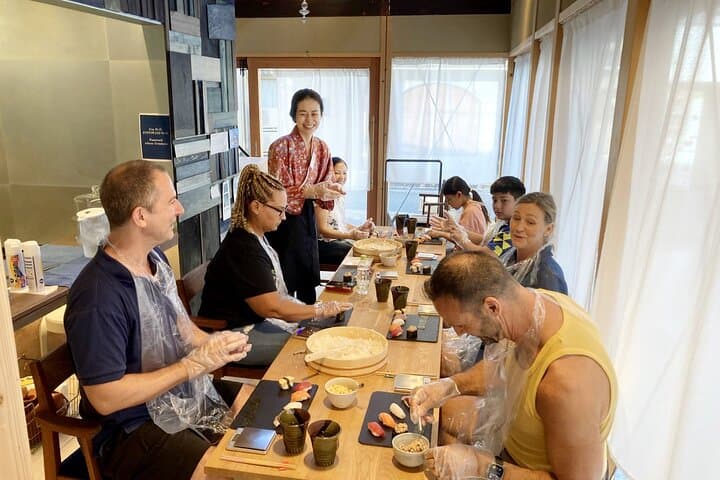
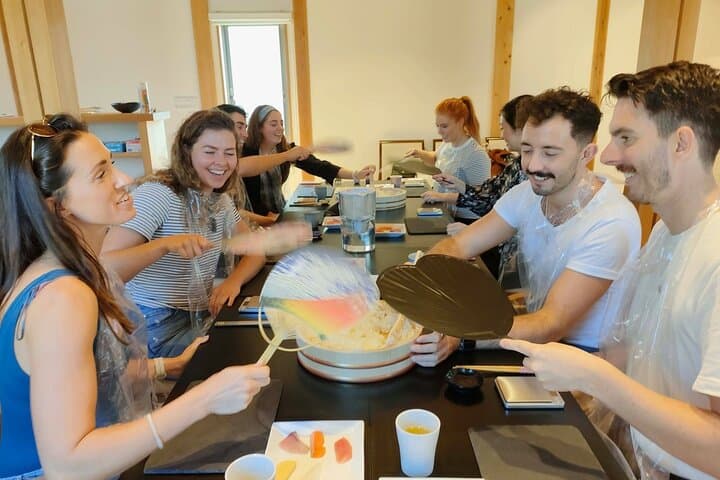
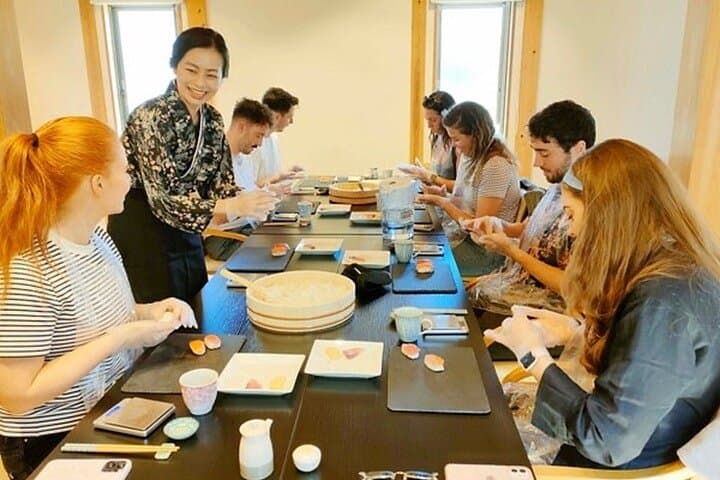
Expect steady walking on paved streets and short temple steps, punctuated by focused, hands-on sushi instruction where you learn nigiri and maki using market-fresh fish. The workshop emphasizes technique: rice temperature, pressing, and the rhythm of a proper roll. Note the tour accepts children 5+, and the guide can tailor two to three sights from the itinerary — common combos include Fushimi Inari + Nishiki Market, or Gion + Kiyomizu-dera.
Practical edge: wear supportive shoes, carry water, and flag any allergies in advance (seafood is central). Start early in hotter months to avoid crowds and use public transit between distant points. The experience marries urban walking with a culinary craft; it’s cultural immersion with clear takeaways: new skills, context, and a plate of your own sushi to prove it.
easy.
6 hours.
Light to moderate walking stamina; suitable for most adults and children 5+ who can walk several city blocks and climb short stair sections.
Meeting is on foot within a designated area of central Kyoto; exact pickup details are provided at booking so confirm the meeting point in advance.
The workshop centers on fresh seafood and is not available for vegetarians or vegans; notify the operator of allergies and special requests before the tour.
Yes—children aged 5 and over can participate in the sushi-making portion; younger children may accompany the walking tour but should be noted at booking.
Full refunds are available if you cancel at least 24 hours before the scheduled departure; tours may be canceled for bad weather.
Kyoto was Japan’s capital for over a millennium until 1868; its urban fabric records imperial, shogunal and merchant influences visible at shrines, markets and teahouses.
Respect temple rules, avoid stepping on moss or garden borders, and minimize single-use plastics by using refillable bottles and bags in markets.
Japan Guide Agency operates guided outdoor trips and adventures with an emphasis on safety, stewardship, and memorable experiences.
You step off a narrow alley into the hum of Kyoto: lacquered shop signs, the sharp tang of pickled radish, and a river that dares you to pause on its stone edge. For six hours an English-speaking licensed guide leads the group through the city’s living history — from vermilion torii that thread up Fushimi Inari to the wooden lanes of Gion — before handing you a knife and rice at atelier SUSHI.
You step off a narrow alley into the hum of Kyoto: lacquered shop signs, the sharp tang of pickled radish, and a river that dares you to pause on its stone edge. For six hours an English-speaking licensed guide leads the group through the city’s living history — from vermilion torii that thread up Fushimi Inari to the wooden lanes of Gion — before handing you a knife and rice at atelier SUSHI.
The route threads Japan’s layered past into one day. Fushimi Inari’s foxes hint at agricultural rites and merchant power; Nishiki Market, “Kyoto’s Kitchen,” illustrates centuries of local food craft; Kiyomizu-dera and the Higashiyama lanes show how religious practice shaped urban form. Geology matters too: Kyoto sits on plains fed by mountain rivers, which historically concentrated commerce and shrines along their banks.
Expect steady walking on paved streets and short temple steps, punctuated by focused, hands-on sushi instruction where you learn nigiri and maki using market-fresh fish. The workshop emphasizes technique: rice temperature, pressing, and the rhythm of a proper roll. Note the tour accepts children 5+, and the guide can tailor two to three sights from the itinerary — common combos include Fushimi Inari + Nishiki Market, or Gion + Kiyomizu-dera.
Practical edge: wear supportive shoes, carry water, and flag any allergies in advance (seafood is central). Start early in hotter months to avoid crowds and use public transit between distant points. The experience marries urban walking with a culinary craft; it’s cultural immersion with clear takeaways: new skills, context, and a plate of your own sushi to prove it.