THE ADVENTURE COLLECTIVE® · Independent discovery and booking for outdoor travel

Walk through Kyoto’s historic districts with a licensed English guide, explore 2–3 iconic sites like Fushimi Inari or Nishiki Market, then learn to make ramen from scratch in a 90-minute hands-on class at Ramen Factory.
Walk through Kyoto’s historic districts with a licensed English guide, explore 2–3 iconic sites like Fushimi Inari or Nishiki Market, then learn to make ramen from scratch in a 90-minute hands-on class at Ramen Factory.
A cool morning air runs down the stone lanes of Higashiyama as the group steps off the map and into Kyoto's lived history. The guide threads stories through vermilion torii at Fushimi Inari, leads toward the bustle of Nishiki Market, and then eases the pace in Gion’s lantern-lit alleys before handing over the day to steam and knife: a 90-minute ramen-making session at Ramen Factory.
Verified experiences and guided adventures in the surrounding area.
Operated by Japan Guide Agency · Kyoto, Kyoto Prefecture
A cool morning air runs down the stone lanes of Higashiyama as the group steps off the map and into Kyoto's lived history. The guide threads stories through vermilion torii at Fushimi Inari, leads toward the bustle of Nishiki Market, and then eases the pace in Gion’s lantern-lit alleys before handing over the day to steam and knife: a 90-minute ramen-making session at Ramen Factory.
Kyoto sits in a shallow basin framed by low mountains; its temple architecture and market culture grew from centuries of imperial and shogunal patronage. The city’s wooden streets and garden layouts reflect Edo- and Heian-era aesthetics, while the foodways—fermented pickles, hand-pulled noodles, slow-simmered broths—tell a practical, regional story.
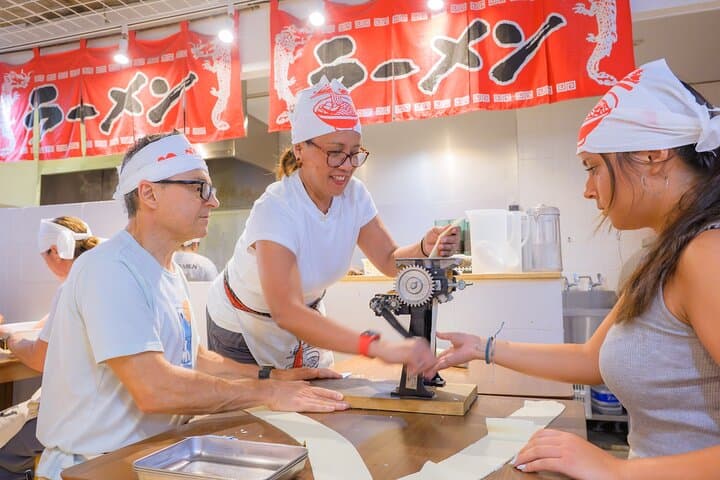
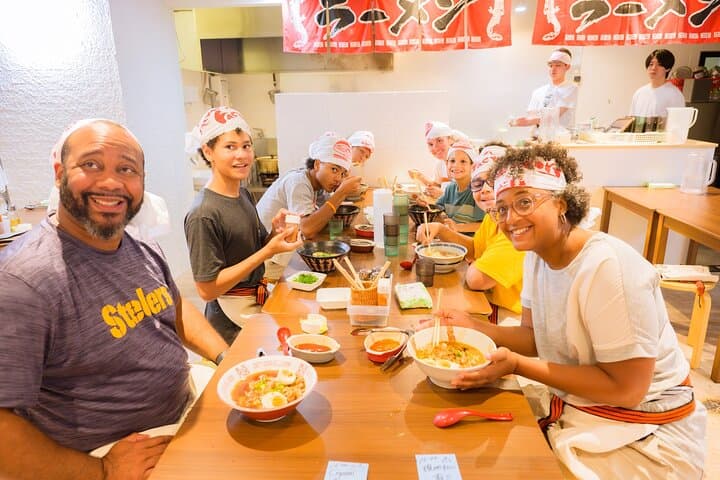
On this private, four-hour walking itinerary guests typically pick two to three stops (examples: Fushimi Inari, Nishiki Market, Gion), then finish at Ramen Factory for hands-on noodle and char siu making under English instruction. Expect cobbled surfaces, short stair sections, and crowded narrow lanes at peak times; admissions may apply at certain temples.
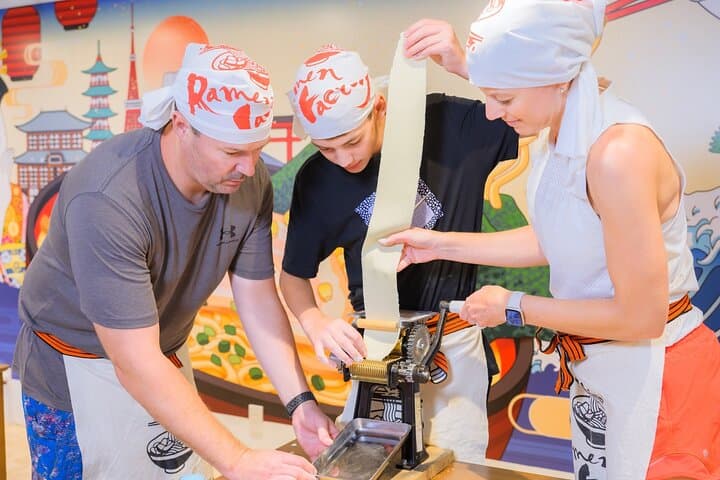
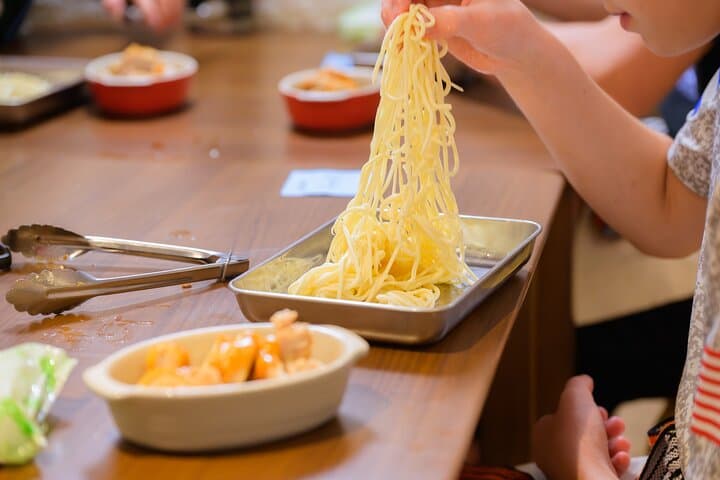
Practical guidance: wear comfortable, grippy shoes and dress for humidity in summer or layered cool in winter. Bring a small daypack, cash for market snacks or temple offerings, and a charged phone for photos and transit. The ramen class covers dough kneading, noodle cutting, and basic broth/meat prep, so participants should be ready to get their hands flour-dusted. This mix of walking and cooking delivers historical context, local flavor, and a tangible souvenir: a bowl you made yourself.
easy.
4 hours.
Light walking ability required—suitable for most fitness levels with frequent stops
No prior experience is required; instructors guide participants through dough, noodle cutting, and char siu techniques step by step.
The operator notes stroller and wheelchair accessibility for many areas, but some historic sites have stairs—check specifics when booking.
Yes—vegetarian, vegan, and Muslim-friendly courses are offered if requested in advance.
Meeting is on foot within a designated area of Kyoto City; after the walking portion the guide drops the group at Ramen Factory for the cooking session.
Kyoto was Japan’s imperial capital for over a millennium; many neighborhoods retain street patterns and garden design principles developed during the Heian and Edo periods.
Respect religious sites by staying on designated paths, avoid single-use plastics at markets, and support local vendors to sustain neighborhood economies.
Japan Guide Agency operates guided outdoor trips and adventures with an emphasis on safety, stewardship, and memorable experiences.
A cool morning air runs down the stone lanes of Higashiyama as the group steps off the map and into Kyoto's lived history. The guide threads stories through vermilion torii at Fushimi Inari, leads toward the bustle of Nishiki Market, and then eases the pace in Gion’s lantern-lit alleys before handing over the day to steam and knife: a 90-minute ramen-making session at Ramen Factory.
A cool morning air runs down the stone lanes of Higashiyama as the group steps off the map and into Kyoto's lived history. The guide threads stories through vermilion torii at Fushimi Inari, leads toward the bustle of Nishiki Market, and then eases the pace in Gion’s lantern-lit alleys before handing over the day to steam and knife: a 90-minute ramen-making session at Ramen Factory.
Kyoto sits in a shallow basin framed by low mountains; its temple architecture and market culture grew from centuries of imperial and shogunal patronage. The city’s wooden streets and garden layouts reflect Edo- and Heian-era aesthetics, while the foodways—fermented pickles, hand-pulled noodles, slow-simmered broths—tell a practical, regional story.
On this private, four-hour walking itinerary guests typically pick two to three stops (examples: Fushimi Inari, Nishiki Market, Gion), then finish at Ramen Factory for hands-on noodle and char siu making under English instruction. Expect cobbled surfaces, short stair sections, and crowded narrow lanes at peak times; admissions may apply at certain temples.
Practical guidance: wear comfortable, grippy shoes and dress for humidity in summer or layered cool in winter. Bring a small daypack, cash for market snacks or temple offerings, and a charged phone for photos and transit. The ramen class covers dough kneading, noodle cutting, and basic broth/meat prep, so participants should be ready to get their hands flour-dusted. This mix of walking and cooking delivers historical context, local flavor, and a tangible souvenir: a bowl you made yourself.