THE ADVENTURE COLLECTIVE® · Independent discovery and booking for outdoor travel

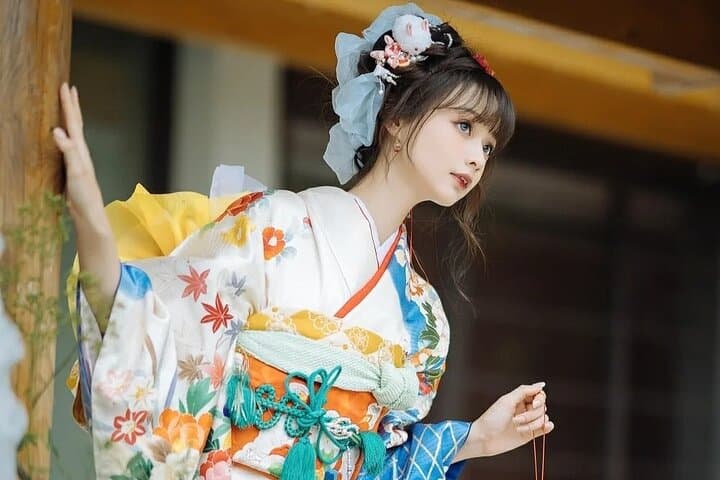
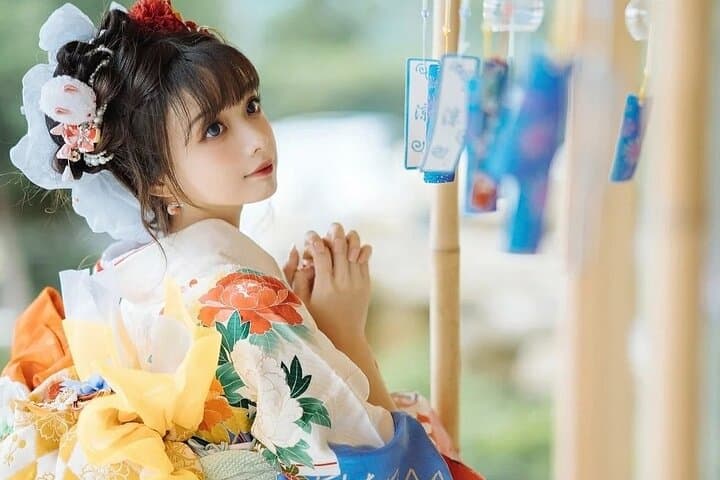
Step into a day of measured gestures: learn to wear traditional kimono and craft wagashi sweets in Kyoto or Osaka. This hands-on workshop combines photo-ready dress, basic hairstyling, and confection-making with practical cultural etiquette.
Step into a day of measured gestures: learn to wear traditional kimono and craft wagashi sweets in Kyoto or Osaka. This hands-on workshop combines photo-ready dress, basic hairstyling, and confection-making with practical cultural etiquette.
A kimono sleeve brushes a wooden floor; steam from a kettle brightens the air as an instructor guides a first careful fold.
Verified experiences and guided adventures in the surrounding area.
Operated by oukakimono · Kyoto, Kyoto Prefecture
A kimono sleeve brushes a wooden floor; steam from a kettle brightens the air as an instructor guides a first careful fold.
This full-day experience pairs the meticulous choreography of kimono dressing with the measured craft of wagashi — Japan’s seasonally themed confections. Set in the urban calm between Kyoto’s low hills and Osaka’s river plains, participants move from fitting rooms to tatami workspaces, pausing at courtyards or temple-adjacent lanes for photographs.
Kimono evolved over centuries from Heian court robes into the Edo-era fashions travelers recognize today; wagashi grew alongside the tea ceremony, refined into shapes and flavors that mark the seasons. The Kyoto Basin’s gentle geology — rivers carving soft terraces and providing clear water — shaped local ingredients and the city’s shrine-and-temple patterning, which often frames photo stops after dressing.
Visitors should expect hands-on instruction: a helper for dressing, basic hairstyling, and a wagashi lesson focused on shaping and anko techniques. Cultural etiquette is part of the learning — quiet movement, care for fabric, and small gestures of thanks.
Practical guidance: reserve size and timing in advance, arrive with minimal layers for easier dressing, bring a small camera and patience for slow, deliberate steps in footwear provided. The activity is largely sit-and-learn; it’s not recommended for pregnant travelers or those with spinal or serious heart conditions. For photographers and culture seekers, this is an intimate day that pairs visual storytelling with tactile craft — a clear window into traditional Japanese dress and sweets that rewards attention to detail.
easy.
4–8 hours.
Low; suitable for most people who can sit on tatami and move carefully in provided footwear
Typical bookings run as a full-day visit with dressing, photos, and a wagashi workshop — most guests spend 4–8 hours depending on photo stops.
Infants must sit on an adult’s lap; check age restrictions and sizing for children when booking as some garments are adult-sized only.
Most packages include rental for the day only; pieces like obi or accessories are usually returned unless a purchase option is offered.
No — instructors regularly work with international guests; basic English is common, and demonstrations are hands-on, but bring a translation app for specific questions.
Kimono silhouette and wearing technique crystallized during the Edo period; wagashi refined alongside the tea ceremony and uses seasonal motifs to mark events and months.
Local studios balance tourism with preservation: treat garments and workspaces gently, avoid single-use plastics in workshops, and favor businesses that source local ingredients.
oukakimono operates guided outdoor trips and adventures with an emphasis on safety, stewardship, and memorable experiences.


A kimono sleeve brushes a wooden floor; steam from a kettle brightens the air as an instructor guides a first careful fold.
A kimono sleeve brushes a wooden floor; steam from a kettle brightens the air as an instructor guides a first careful fold.
This full-day experience pairs the meticulous choreography of kimono dressing with the measured craft of wagashi — Japan’s seasonally themed confections. Set in the urban calm between Kyoto’s low hills and Osaka’s river plains, participants move from fitting rooms to tatami workspaces, pausing at courtyards or temple-adjacent lanes for photographs.
Kimono evolved over centuries from Heian court robes into the Edo-era fashions travelers recognize today; wagashi grew alongside the tea ceremony, refined into shapes and flavors that mark the seasons. The Kyoto Basin’s gentle geology — rivers carving soft terraces and providing clear water — shaped local ingredients and the city’s shrine-and-temple patterning, which often frames photo stops after dressing.
Visitors should expect hands-on instruction: a helper for dressing, basic hairstyling, and a wagashi lesson focused on shaping and anko techniques. Cultural etiquette is part of the learning — quiet movement, care for fabric, and small gestures of thanks.
Practical guidance: reserve size and timing in advance, arrive with minimal layers for easier dressing, bring a small camera and patience for slow, deliberate steps in footwear provided. The activity is largely sit-and-learn; it’s not recommended for pregnant travelers or those with spinal or serious heart conditions. For photographers and culture seekers, this is an intimate day that pairs visual storytelling with tactile craft — a clear window into traditional Japanese dress and sweets that rewards attention to detail.