THE ADVENTURE COLLECTIVE® · Independent discovery and booking for outdoor travel

Learn core ninja techniques and discipline in a focused one-hour dojo session in Kyoto. This entry-level lesson covers meditation, breathing, walking, and weapon basics taught by a Japanese Sensei in English.
Learn core ninja techniques and discipline in a focused one-hour dojo session in Kyoto. This entry-level lesson covers meditation, breathing, walking, and weapon basics taught by a Japanese Sensei in English.
You step over the threshold and the room tightens into focus: heated wood underfoot, a low murmur of instruction, the click of geta in a corridor that leads you to a small dojo in Kyoto. A Sensei in black explains the etiquette, and in the hour that follows the city slips away as you learn to move deliberately, breathe quietly, and aim a shuriken at a wooden target.
Verified experiences and guided adventures in the surrounding area.
Operated by NINJA DOJO and STORE · Kyoto, Kyoto
You step over the threshold and the room tightens into focus: heated wood underfoot, a low murmur of instruction, the click of geta in a corridor that leads you to a small dojo in Kyoto. A Sensei in black explains the etiquette, and in the hour that follows the city slips away as you learn to move deliberately, breathe quietly, and aim a shuriken at a wooden target.
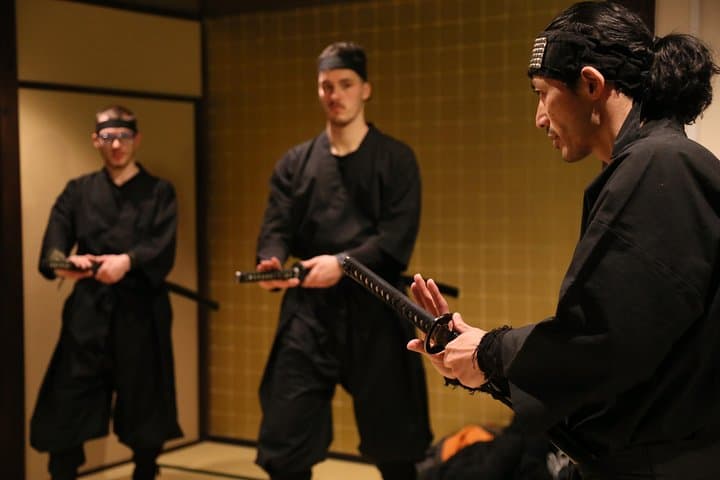
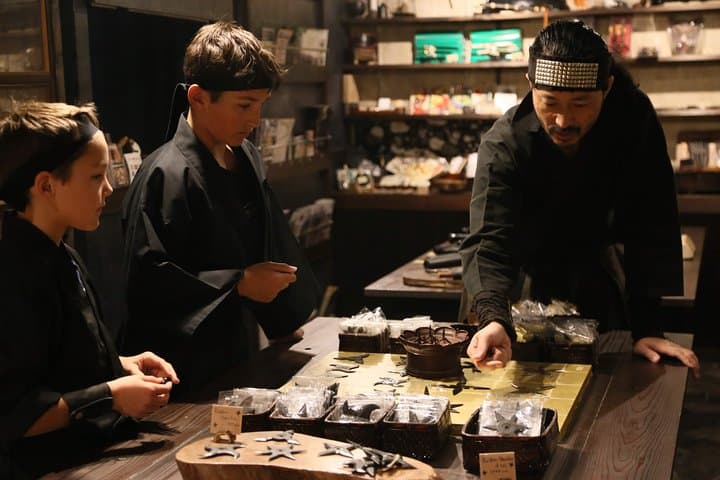
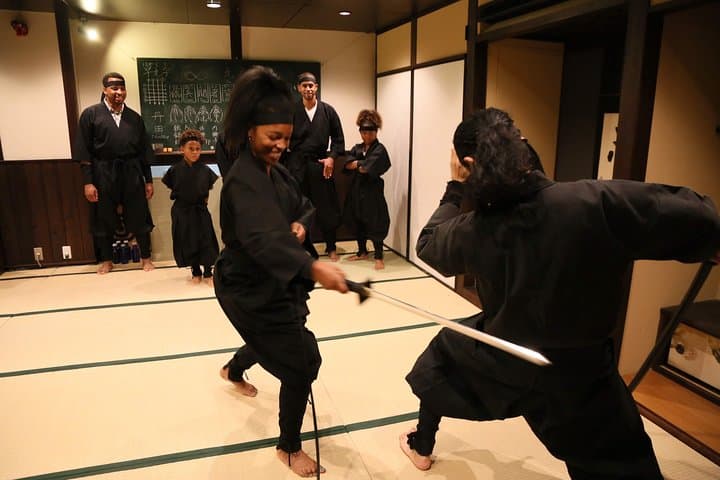
Ninja — or shinobi — are part history, part legend in Japan. Kyoto, a political center during the feudal era, sits amid castle towns and mountain passes where covert scouting and close-quarters skills developed. The class blends cultural practice and physical drills: Kuji-kiri meditation and breath control, basic ninja walking, and hands-on demonstrations of sword practice, kunai and shuriken throwing, and blowgun technique. The training mimics tactical movement more than flashy choreography and includes a short trap-and-gimmick demo common to historical trick-houses.
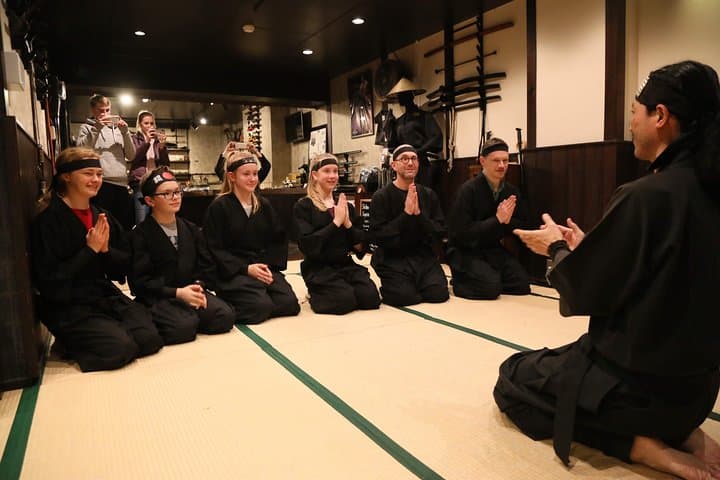
Practically speaking, this is an entry-level, one-hour session taught in English with ninja clothing rental included. Expect small groups, firm but paced instruction, and clearly stated safety rules for weapons practice. Arrive 10–15 minutes early, wear flexible clothing, and come prepared to follow dojo etiquette—bowing, quiet attention, and listening closely to the Sensei. Health notes: avoid if you have serious back, heart, or pregnancy concerns. This lesson is ideal for travelers looking for a compact cultural-physical experience in central Kyoto—engaging, tactile, and rooted in centuries of local practice.
easy.
1 hour.
Suitable for most fitness levels; expect light kneeling, walking drills, and brief exertion during throwing practice.
No. This is an entry-level class designed for beginners and taught in English; instructors cover basics safely.
Instructors use training weapons and strict safety protocols; you will not handle live blades in an unsafe manner.
Most dojos allow photos before and after training but restrict shooting during instruction; follow the Sensei's guidance.
Groups are small (usually up to six) to allow hands-on coaching and safe weapon practice.
Ninja skills evolved in the Sengoku period when espionage and guerrilla tactics were pragmatic necessities; Kyoto's regional routes were strategic for scouts and messengers.
Dojo operations are low-impact, but respect local temples and neighborhoods by minimizing noise and avoiding litter; cultural preservation matters as much as environmental care.
NINJA DOJO and STORE operates guided outdoor trips and adventures with an emphasis on safety, stewardship, and memorable experiences.
You step over the threshold and the room tightens into focus: heated wood underfoot, a low murmur of instruction, the click of geta in a corridor that leads you to a small dojo in Kyoto. A Sensei in black explains the etiquette, and in the hour that follows the city slips away as you learn to move deliberately, breathe quietly, and aim a shuriken at a wooden target.
You step over the threshold and the room tightens into focus: heated wood underfoot, a low murmur of instruction, the click of geta in a corridor that leads you to a small dojo in Kyoto. A Sensei in black explains the etiquette, and in the hour that follows the city slips away as you learn to move deliberately, breathe quietly, and aim a shuriken at a wooden target.
Ninja — or shinobi — are part history, part legend in Japan. Kyoto, a political center during the feudal era, sits amid castle towns and mountain passes where covert scouting and close-quarters skills developed. The class blends cultural practice and physical drills: Kuji-kiri meditation and breath control, basic ninja walking, and hands-on demonstrations of sword practice, kunai and shuriken throwing, and blowgun technique. The training mimics tactical movement more than flashy choreography and includes a short trap-and-gimmick demo common to historical trick-houses.
Practically speaking, this is an entry-level, one-hour session taught in English with ninja clothing rental included. Expect small groups, firm but paced instruction, and clearly stated safety rules for weapons practice. Arrive 10–15 minutes early, wear flexible clothing, and come prepared to follow dojo etiquette—bowing, quiet attention, and listening closely to the Sensei. Health notes: avoid if you have serious back, heart, or pregnancy concerns. This lesson is ideal for travelers looking for a compact cultural-physical experience in central Kyoto—engaging, tactile, and rooted in centuries of local practice.