THE ADVENTURE COLLECTIVE® · Independent discovery and booking for outdoor travel

Learn traditional matcha whisking and make a Kyoto-style matcha latte inside a 100-year-old machiya. This 80-minute small-group session pairs hands-on instruction with seasonal wagashi and a samurai photo opportunity.
Learn traditional matcha whisking and make a Kyoto-style matcha latte inside a 100-year-old machiya. This 80-minute small-group session pairs hands-on instruction with seasonal wagashi and a samurai photo opportunity.
You step through a low-wooden doorway into a 100-year-old machiya; the steam from a freshly whisked bowl of matcha rises like a soft invitation. In the compact, light-filtered room an instructor demonstrates the measured movements of a tea ceremony, and the rhythm of bamboo whisk on porcelain sets the pace.
Verified experiences and guided adventures in the surrounding area.
Operated by Japan food entertainment Ltd · Kyoto, Kyoto Prefecture
You step through a low-wooden doorway into a 100-year-old machiya; the steam from a freshly whisked bowl of matcha rises like a soft invitation. In the compact, light-filtered room an instructor demonstrates the measured movements of a tea ceremony, and the rhythm of bamboo whisk on porcelain sets the pace.
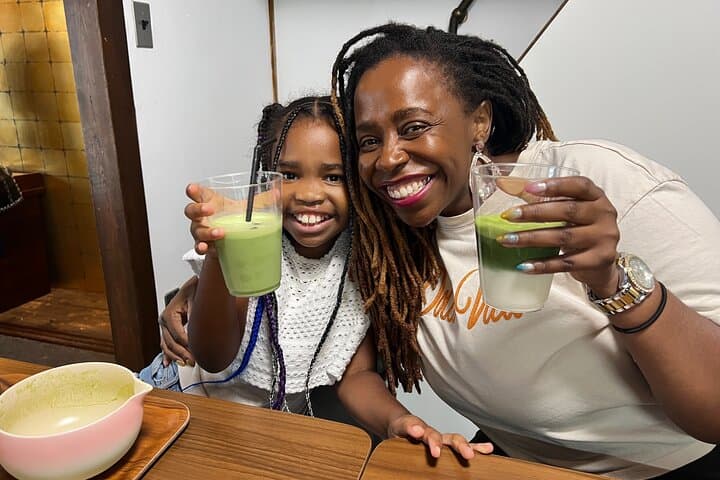
Tea in Kyoto is both craft and conversation. The machiya’s beams recall Edo-period commerce while the matcha itself carries leaves ground from Uji-grown tea, a region famed for its shaded cultivation and bright, vegetal flavor. Seasonal wagashi—sweet confections matched to the tea—balance matcha’s bitterness, and you’ll learn how Kyoto blends ritual with a modern twist: a creamy Kyoto-style matcha latte you prepare yourself.
Practicality guides the experience: the session is short (about 80 minutes), led in English, and designed for beginners. Expect hands-on instruction in whisking, tasting notes on umami and astringency, and a chance to don samurai armor for photos—a playful cultural add-on rather than a historical reenactment.
Tips for planning: arrive on time to respect the small-group format, wear clothes you can sit comfortably in on tatami, and bring a camera for the samurai shoot. The experience suits travelers who want a concise, sensory introduction to Japanese tea culture without committing to a full-day workshop. It’s an accessible, layered encounter with Kyoto’s living traditions—quiet, tactile, and immediate.
easy.
1–1.5 hours.
Minimal physical exertion; able to sit on low seating/tatami for short periods.
No—sessions are designed for beginners and include step-by-step instruction and tasting guidance.
Casual photos are usually allowed, and the samurai photo session is a dedicated, photo-friendly moment; comply with the instructor’s guidance to avoid disrupting ritual portions.
Children may attend, but infants should sit on a lap; the content and pace suit older children who can sit quietly and follow instruction.
Full refunds require cancellation at least 24 hours before the scheduled start time; check your booking confirmation for specifics.
Machiya townhouses are a distinctive Kyoto form—merchant homes and workshops from the Edo period—and matcha culture here traces to Uji tea cultivation and centuries of ceremonial refinement.
Support small local operators who maintain traditional buildings; reduce waste by avoiding single-use plastics and taking public transit to the machiya.
Japan food entertainment Ltd operates guided outdoor trips and adventures with an emphasis on safety, stewardship, and memorable experiences.
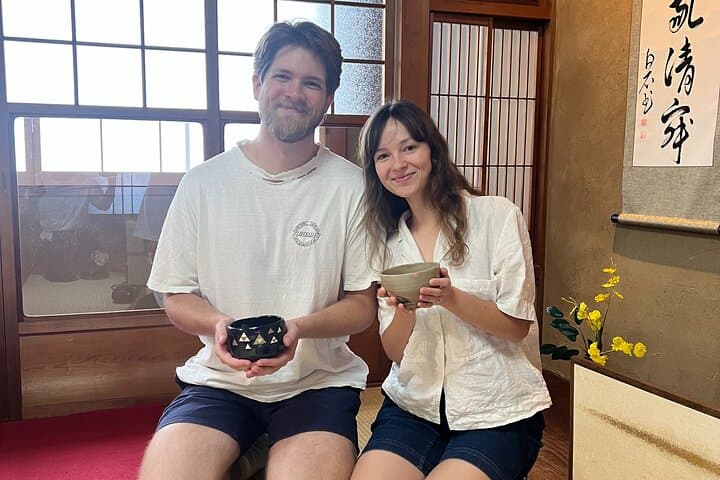
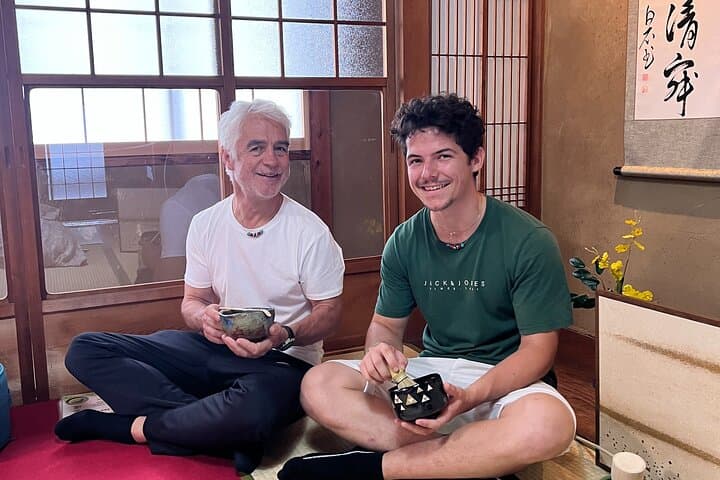
You step through a low-wooden doorway into a 100-year-old machiya; the steam from a freshly whisked bowl of matcha rises like a soft invitation. In the compact, light-filtered room an instructor demonstrates the measured movements of a tea ceremony, and the rhythm of bamboo whisk on porcelain sets the pace.
You step through a low-wooden doorway into a 100-year-old machiya; the steam from a freshly whisked bowl of matcha rises like a soft invitation. In the compact, light-filtered room an instructor demonstrates the measured movements of a tea ceremony, and the rhythm of bamboo whisk on porcelain sets the pace.
Tea in Kyoto is both craft and conversation. The machiya’s beams recall Edo-period commerce while the matcha itself carries leaves ground from Uji-grown tea, a region famed for its shaded cultivation and bright, vegetal flavor. Seasonal wagashi—sweet confections matched to the tea—balance matcha’s bitterness, and you’ll learn how Kyoto blends ritual with a modern twist: a creamy Kyoto-style matcha latte you prepare yourself.
Practicality guides the experience: the session is short (about 80 minutes), led in English, and designed for beginners. Expect hands-on instruction in whisking, tasting notes on umami and astringency, and a chance to don samurai armor for photos—a playful cultural add-on rather than a historical reenactment.
Tips for planning: arrive on time to respect the small-group format, wear clothes you can sit comfortably in on tatami, and bring a camera for the samurai shoot. The experience suits travelers who want a concise, sensory introduction to Japanese tea culture without committing to a full-day workshop. It’s an accessible, layered encounter with Kyoto’s living traditions—quiet, tactile, and immediate.