THE ADVENTURE COLLECTIVE® · Independent discovery and booking for outdoor travel

Transform into a maiko or samurai in Higashiyama and take formal portraits beside Kiyomizu‑dera. This family plan includes kimono dressing, makeup, four printed photos and the full digital set over a 3.5‑hour session.
Transform into a maiko or samurai in Higashiyama and take formal portraits beside Kiyomizu‑dera. This family plan includes kimono dressing, makeup, four printed photos and the full digital set over a 3.5‑hour session.
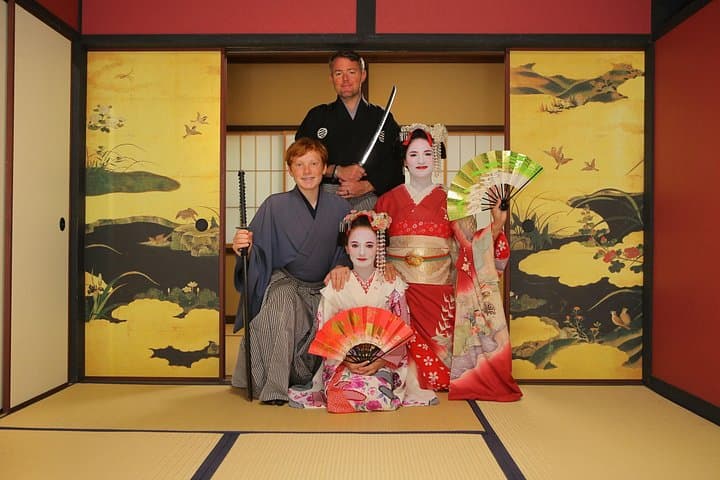
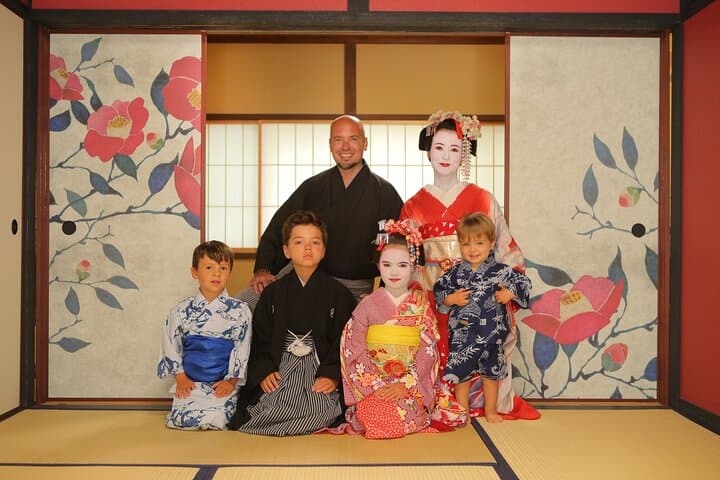
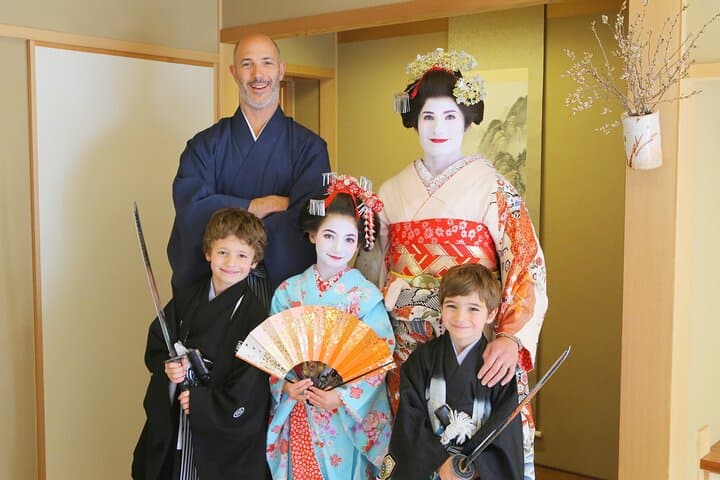
Step off a narrow Higashiyama lane and into a room where time tightens its breath: lacquered floors, sliding screens and the soft rustle of kimono silk. At Shiki Maiko Experience Studio visitors transform—children in small hakama, men in samurai robes, women made up like apprentice geisha—then step into composed portraits or a ten-minute stroll under wooden eaves toward Kiyomizu‑dera.
Verified experiences and guided adventures in the surrounding area.
Operated by 舞妓体験・レンタル着物 スタジオ四季 · Kyoto, Kyoto
Step off a narrow Higashiyama lane and into a room where time tightens its breath: lacquered floors, sliding screens and the soft rustle of kimono silk. At Shiki Maiko Experience Studio visitors transform—children in small hakama, men in samurai robes, women made up like apprentice geisha—then step into composed portraits or a ten-minute stroll under wooden eaves toward Kiyomizu‑dera.
The area around Kiyomizu‑dera dates back to the 8th century; its approach through Sannenzaka and Nene‑no‑michi preserves the merchant-street geometry of Edo and earlier eras. The makeover ties modern craft to an older Kyoto culture of performance and public image: white makeup, layered kimono, and the posture and pace that framed social life for centuries.
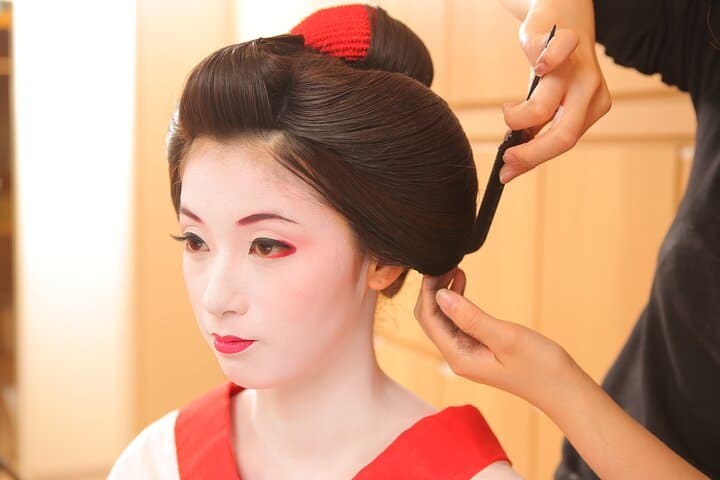
Expect a carefully staged, roughly 3.5‑hour session that includes kimono selection (over 100 options), dressing, makeup and a formal photo shoot—printed photos and digital files are provided. The studio emphasizes authenticity: tabi socks, optional wigs, and tonal make‑up are part of the kit. Photographs are taken against traditional backdrops—Japanese rooms, tea gardens and a gold folding screen—then you receive both prints and the full digital set.
Practical guidance: arrive with minimal jewelry and hair loose; wear easy‑on shoes you can remove quickly; plan this early in your Kyoto day to avoid evening crowds at nearby temples. Respect temple grounds and local residents while photographing; the experience is intimate and best approached with patience and clear communication about poses and comfort levels.
easy.
3–4 hours.
Suitable for all fitness levels; requires ability to stand and sit for dressing and photos.
Yes—this family plan accepts men and children between 110 cm and 145 cm; the package includes children’s kimono and photos.
The experience includes dressing and makeup, four printed photos (203×133 mm) and digital data of all photos; you also get 10 minutes of free time for personal photos.
Not recommended for guests with spinal or serious cardiovascular problems, or for pregnant travelers; the process involves sitting and standing for dressing and photos.
Full refund available if canceled at least 24 hours before the scheduled time; no refund within 24 hours of the booking.
Kiyomizu‑dera sits on a hillside with origins in the late 8th century; Higashiyama preserves streetscapes shaped by centuries of pilgrimage and trade.
Respect historic streets by staying on paths, limiting tripods in busy lanes, and disposing of waste; support small studios that employ local artisans.
舞妓体験・レンタル着物 スタジオ四季 operates guided outdoor trips and adventures with an emphasis on safety, stewardship, and memorable experiences.
Step off a narrow Higashiyama lane and into a room where time tightens its breath: lacquered floors, sliding screens and the soft rustle of kimono silk. At Shiki Maiko Experience Studio visitors transform—children in small hakama, men in samurai robes, women made up like apprentice geisha—then step into composed portraits or a ten-minute stroll under wooden eaves toward Kiyomizu‑dera.
Step off a narrow Higashiyama lane and into a room where time tightens its breath: lacquered floors, sliding screens and the soft rustle of kimono silk. At Shiki Maiko Experience Studio visitors transform—children in small hakama, men in samurai robes, women made up like apprentice geisha—then step into composed portraits or a ten-minute stroll under wooden eaves toward Kiyomizu‑dera.
The area around Kiyomizu‑dera dates back to the 8th century; its approach through Sannenzaka and Nene‑no‑michi preserves the merchant-street geometry of Edo and earlier eras. The makeover ties modern craft to an older Kyoto culture of performance and public image: white makeup, layered kimono, and the posture and pace that framed social life for centuries.
Expect a carefully staged, roughly 3.5‑hour session that includes kimono selection (over 100 options), dressing, makeup and a formal photo shoot—printed photos and digital files are provided. The studio emphasizes authenticity: tabi socks, optional wigs, and tonal make‑up are part of the kit. Photographs are taken against traditional backdrops—Japanese rooms, tea gardens and a gold folding screen—then you receive both prints and the full digital set.
Practical guidance: arrive with minimal jewelry and hair loose; wear easy‑on shoes you can remove quickly; plan this early in your Kyoto day to avoid evening crowds at nearby temples. Respect temple grounds and local residents while photographing; the experience is intimate and best approached with patience and clear communication about poses and comfort levels.