THE ADVENTURE COLLECTIVE® · Independent discovery and booking for outdoor travel

Transform an afternoon in Kyoto by renting a kimono and walking the streets around Kiyomizu-dera. This private, guided rental includes dressing, basic hair styling, and a leisurely stroll through historic lanes.
Transform an afternoon in Kyoto by renting a kimono and walking the streets around Kiyomizu-dera. This private, guided rental includes dressing, basic hair styling, and a leisurely stroll through historic lanes.
You step out of the dressing room onto a narrow stone street; the kimono’s silk settles against your shoulders and the old wooden houses lean in like curious hosts. Gion’s lanterns begin to glow and the air carries the faint sweetness of wagashi as you set off toward Kiyomizu-dera.
Verified experiences and guided adventures in the surrounding area.
Operated by Kyoto Kimono rental Hoippo · Kyoto, Kyoto Prefecture
You step out of the dressing room onto a narrow stone street; the kimono’s silk settles against your shoulders and the old wooden houses lean in like curious hosts. Gion’s lanterns begin to glow and the air carries the faint sweetness of wagashi as you set off toward Kiyomizu-dera.
Kyoto was Japan’s imperial heart for over a millennium, and its streets record that slow history in wooden facades and temple eaves. The Higashiyama hills above the city are composed of ancient sedimentary layers that slope toward the Kamo River, shaping narrow lanes, stairways and temple terraces that encourage slow movement and careful sightlines — perfect for a kimono walk. Wearing traditional dress connects you to Edo- and Heian-era aesthetics still visible here: restrained color palettes, obi knots that suggest social nuance, and hair styles that echo older forms.
Practical guidance: plan for 2–3 hours; steps and uneven paving are constant companions, so allow time between photo stops and expect limited seating. Keep smartphone cameras at low volumes and follow your stylist’s advice on obi tightness — mobility is traded for authenticity. Morning light softens faces and late afternoon casts the wooden façades in warm tones, so time your outing for golden-hour photos.
Local etiquette matters: don’t step on shrine thresholds with the toe of your sandal, avoid blocking narrow lanes for long photos, and tip with gratitude to small shops rather than leaving litter. Hydrate, wear thin layers under the kimono in cooler months, and bring a compact coin purse — many tea houses remain cash-first.
easy.
2–3 hours.
Suitable for most fitness levels; requires ability to walk on uneven stone and climb stairs.
Most bookings run about 2–3 hours total, including dressing and a guided stroll through nearby streets.
This experience is not recommended for pregnant travelers due to tight obi and limited mobility in some kimono styles.
Basic accessories and a simple hair set are included; more elaborate hairstyling is usually available for an extra fee.
Yes — professional stylists handle dressing and adjust fits so beginners can move comfortably for photos and short walks.
Kyoto’s kimono traditions and artisan dyeing techniques flourished during the Edo period; districts like Gion preserved much of the city’s pre-modern street pattern.
Historic neighborhoods are fragile: follow posted rules, avoid stepping on moss or temple thresholds, and support small local businesses to keep traditional crafts viable.
Kyoto Kimono rental Hoippo operates guided outdoor trips and adventures with an emphasis on safety, stewardship, and memorable experiences.
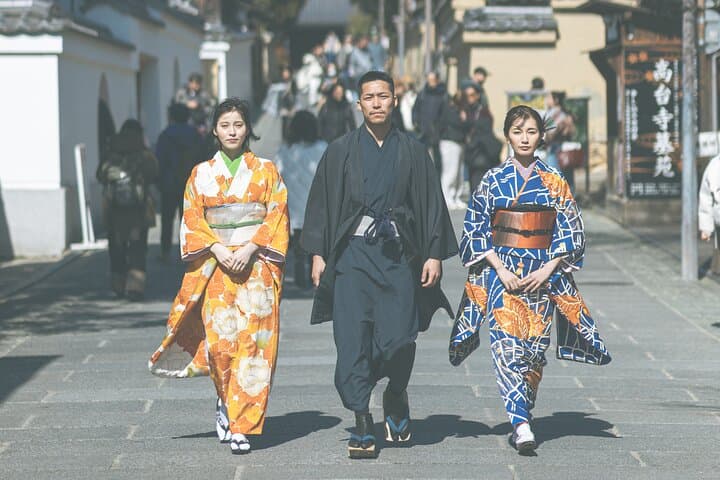
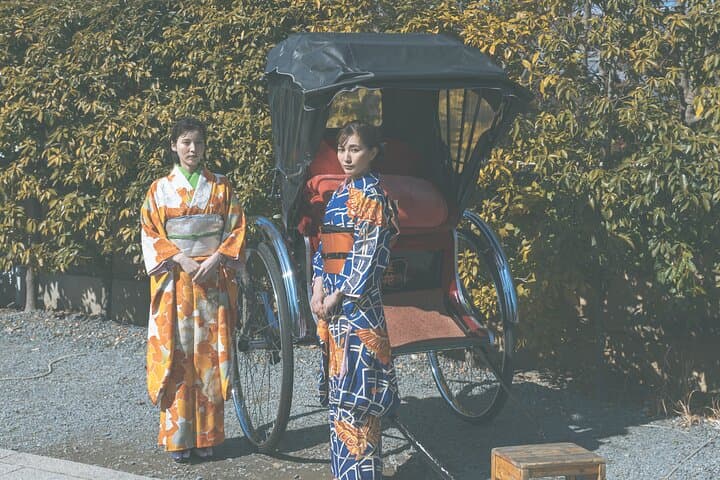
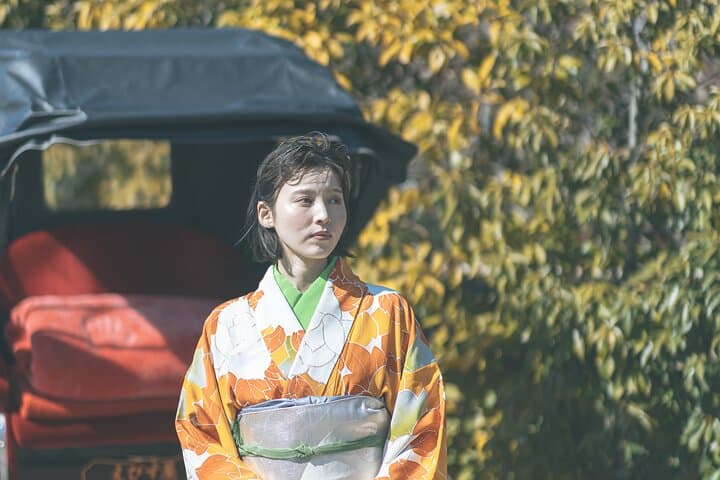
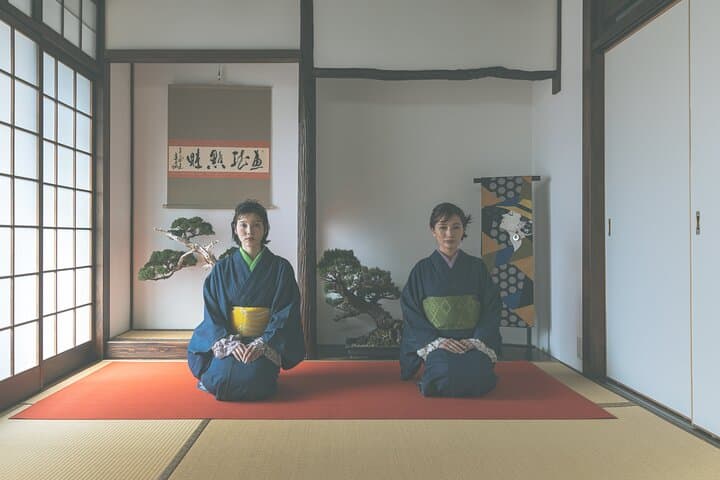
You step out of the dressing room onto a narrow stone street; the kimono’s silk settles against your shoulders and the old wooden houses lean in like curious hosts. Gion’s lanterns begin to glow and the air carries the faint sweetness of wagashi as you set off toward Kiyomizu-dera.
You step out of the dressing room onto a narrow stone street; the kimono’s silk settles against your shoulders and the old wooden houses lean in like curious hosts. Gion’s lanterns begin to glow and the air carries the faint sweetness of wagashi as you set off toward Kiyomizu-dera.
Kyoto was Japan’s imperial heart for over a millennium, and its streets record that slow history in wooden facades and temple eaves. The Higashiyama hills above the city are composed of ancient sedimentary layers that slope toward the Kamo River, shaping narrow lanes, stairways and temple terraces that encourage slow movement and careful sightlines — perfect for a kimono walk. Wearing traditional dress connects you to Edo- and Heian-era aesthetics still visible here: restrained color palettes, obi knots that suggest social nuance, and hair styles that echo older forms.
Practical guidance: plan for 2–3 hours; steps and uneven paving are constant companions, so allow time between photo stops and expect limited seating. Keep smartphone cameras at low volumes and follow your stylist’s advice on obi tightness — mobility is traded for authenticity. Morning light softens faces and late afternoon casts the wooden façades in warm tones, so time your outing for golden-hour photos.
Local etiquette matters: don’t step on shrine thresholds with the toe of your sandal, avoid blocking narrow lanes for long photos, and tip with gratitude to small shops rather than leaving litter. Hydrate, wear thin layers under the kimono in cooler months, and bring a compact coin purse — many tea houses remain cash-first.