THE ADVENTURE COLLECTIVE® · Independent discovery and booking for outdoor travel

Step into Kyoto’s historic streets in a kimono with WARGO—choose classic or contemporary styles, get dressed by experienced staff, and explore Gion or the station area for memorable photos. Quick, family-friendly, and rooted in local tradition.
Step into Kyoto’s historic streets in a kimono with WARGO—choose classic or contemporary styles, get dressed by experienced staff, and explore Gion or the station area for memorable photos. Quick, family-friendly, and rooted in local tradition.
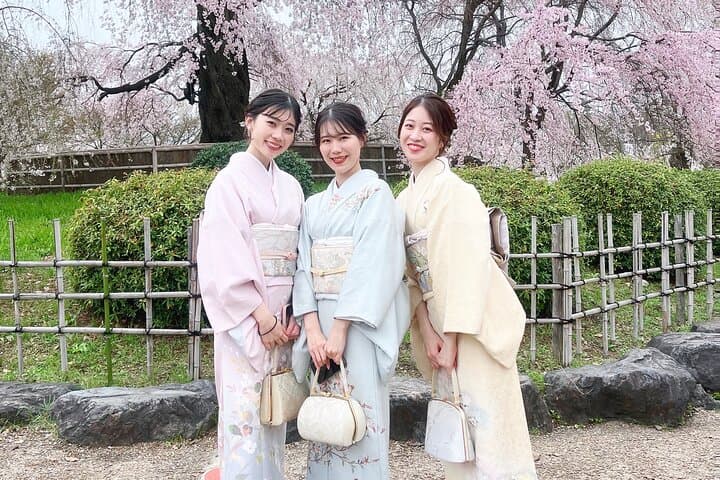
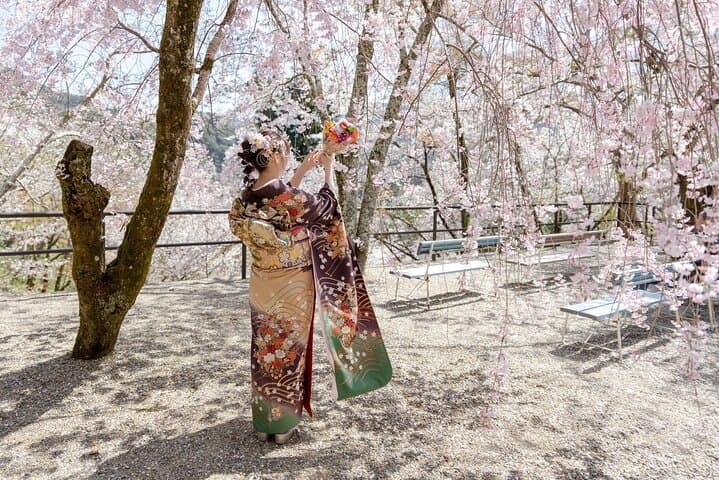
The narrow stone lanes around Gion slow your pace the moment you step out of the shop—zori tapping softly against time-worn flagstones as lantern light leans into the evening. Wearing a kimono here feels functional as well as ceremonial: fabric shapes your posture, the obi holds your spine upright, and the city’s old streets respond with quiet curiosity.
Verified experiences and guided adventures in the surrounding area.
Operated by Kimono Rental Wargo · Kyoto, Kyoto
The narrow stone lanes around Gion slow your pace the moment you step out of the shop—zori tapping softly against time-worn flagstones as lantern light leans into the evening. Wearing a kimono here feels functional as well as ceremonial: fabric shapes your posture, the obi holds your spine upright, and the city’s old streets respond with quiet curiosity.
Kyoto was Japan’s capital for over a thousand years; its streets, shrines and teahouses are living pages of Edo- and Heian-period urban life. The kimono itself evolved over centuries, a practical garment that also signalled status and season. Geologically the city sits in a gentle basin carved by rivers; stone bridges and canals guide water and footsteps alike, concentrating photo-worthy corners within short walking distances.
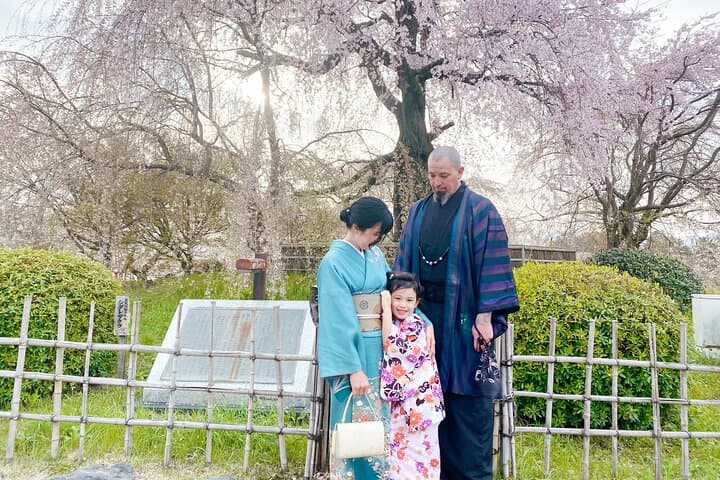
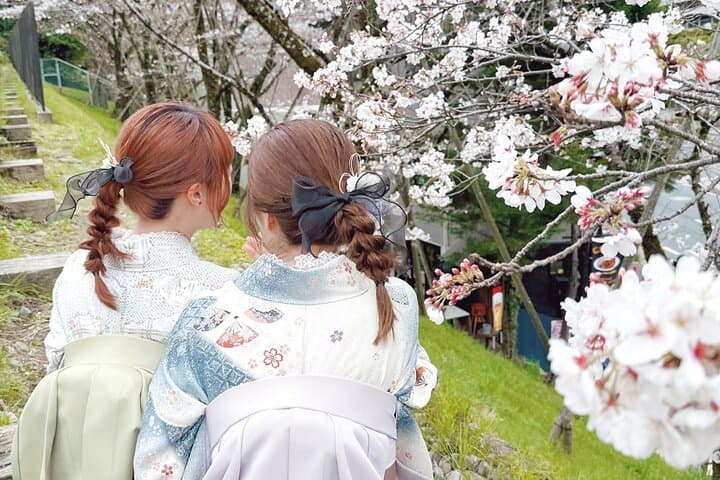
WARGO’s family-friendly rental lets visitors of all ages choose traditional and modern patterns, with staff-assisted dressing and basic hair sets available. Two Kyoto locations put you either steps from Hanamikoji Street and Yasaka Shrine in Gion or minutes from Kyoto Station for wider day-trip access.
Practical guidance: book a time slot to avoid queues, plan 1–4 hours wearing time (return by the shop’s closing), and choose the store that matches your photo plan. Sandals and tabi are provided but aren’t ideal for long hikes—pack a small bag if you expect to change. Be mindful of shrine etiquette and narrow private alleys when photographing; keeping noise and flash low preserves both the garments and local atmosphere.
This experience is accessible to most travelers, straightforward to add onto a day of temple visits, and an immediate way to inhabit Kyoto’s history while moving through its present.
easy.
1–7 hours.
Suitable for all fitness levels; involves standing and gentle walking on uneven stone and stairs.
Yes—WARGO offers family-friendly sizes and plus-size kimonos; notify the shop of special sizing at booking when possible.
Standard bookings run from about one hour up to the shop’s closing time (typically return by 5:30 PM); next-day returns are sometimes available for an extra fee.
A simple hair set is often included in deluxe plans or offered as an add-on; more elaborate styling is available for an additional cost.
Some staff can assist in English and Chinese, and shops may use translation tools for basic communication; check the store’s language support when booking.
Kyoto was Japan’s imperial capital from 794 to 1868; wearing kimono in its historic districts connects directly to centuries of court and merchant culture.
Respecting historic neighborhoods reduces wear on fragile streets and private residences; avoid littering, follow signage, and keep to public paths to help preserve these sites.
Kimono Rental Wargo operates guided outdoor trips and adventures with an emphasis on safety, stewardship, and memorable experiences.
The narrow stone lanes around Gion slow your pace the moment you step out of the shop—zori tapping softly against time-worn flagstones as lantern light leans into the evening. Wearing a kimono here feels functional as well as ceremonial: fabric shapes your posture, the obi holds your spine upright, and the city’s old streets respond with quiet curiosity.
The narrow stone lanes around Gion slow your pace the moment you step out of the shop—zori tapping softly against time-worn flagstones as lantern light leans into the evening. Wearing a kimono here feels functional as well as ceremonial: fabric shapes your posture, the obi holds your spine upright, and the city’s old streets respond with quiet curiosity.
Kyoto was Japan’s capital for over a thousand years; its streets, shrines and teahouses are living pages of Edo- and Heian-period urban life. The kimono itself evolved over centuries, a practical garment that also signalled status and season. Geologically the city sits in a gentle basin carved by rivers; stone bridges and canals guide water and footsteps alike, concentrating photo-worthy corners within short walking distances.
WARGO’s family-friendly rental lets visitors of all ages choose traditional and modern patterns, with staff-assisted dressing and basic hair sets available. Two Kyoto locations put you either steps from Hanamikoji Street and Yasaka Shrine in Gion or minutes from Kyoto Station for wider day-trip access.
Practical guidance: book a time slot to avoid queues, plan 1–4 hours wearing time (return by the shop’s closing), and choose the store that matches your photo plan. Sandals and tabi are provided but aren’t ideal for long hikes—pack a small bag if you expect to change. Be mindful of shrine etiquette and narrow private alleys when photographing; keeping noise and flash low preserves both the garments and local atmosphere.
This experience is accessible to most travelers, straightforward to add onto a day of temple visits, and an immediate way to inhabit Kyoto’s history while moving through its present.