THE ADVENTURE COLLECTIVE® · Independent discovery and booking for outdoor travel

Step into a hakama and take graduation photos on Kyoto’s historic streets. This full-day kimono rental and styling experience blends traditional dress, easy walking, and photo-ready locations—ideal for memorable portraits with practical guidance on timing and etiquette.
Step into a hakama and take graduation photos on Kyoto’s historic streets. This full-day kimono rental and styling experience blends traditional dress, easy walking, and photo-ready locations—ideal for memorable portraits with practical guidance on timing and etiquette.
Morning light slices through Kyoto's narrow lanes and the wooden facades seem to lean in to watch. A wearer steps out in a hakama—pleated trousers over kimono—its fabric moving with purpose as rickshaw bells and bicycle tires mark the city's slow rhythm. Photographs taken here trade staged glamour for streets that remember processions, ceremonies and daily life.
Verified experiences and guided adventures in the surrounding area.
Operated by oukakimono · Kyoto, Kyoto Prefecture
Morning light slices through Kyoto's narrow lanes and the wooden facades seem to lean in to watch. A wearer steps out in a hakama—pleated trousers over kimono—its fabric moving with purpose as rickshaw bells and bicycle tires mark the city's slow rhythm. Photographs taken here trade staged glamour for streets that remember processions, ceremonies and daily life.
Kyoto was Japan’s imperial heart for over a millennium, and kimono styles reflect that layered history: cut, color and obi knots encode season, formality and sometimes school or family ties. Hakama became common for ceremonies and graduations in the Meiji era and now punctuate modern coming-of-age moments against temple gates, stone lanterns and mossed garden walls. The stone and wood of Kyoto’s old neighborhoods—once river and alluvial plain—now frame a living cultural scene.
Practical notes: most rentals include kimono, obi, bag and basic footwear and require returning the outfit by late afternoon (many shops state a 6 p.m. deadline). Budget time for dressing and a simple hairstyle; expect mobility restrictions—short walks and many photo stops rather than long treks. Dress in layers beneath silk or synthetic kimono for warmth in winter and light moisture-wicking layers in summer. Respect temple etiquette: remove hats, avoid loud behavior, and ask before photographing people.
Planning tips: book by height and measurements, allow 60–90 minutes for fitting and photos, carry small cash for temple admissions, and schedule on weekdays to avoid crowds. With a hakama on, the city’s history walks with you; preparation keeps the moment effortless.
easy.
4–8 hours.
Minimal fitness required; expect short walks and standing for photos—suitable for most people.
Most shops rent for a single day and request return by late afternoon—often around 6 p.m.—so confirm pickup and return times when booking.
Simple hairstyling is usually included; for elaborate styles bring photos and allow extra time and sometimes an additional fee.
Yes, but observe site rules: remove hats, avoid leaning on structures, and be mindful of restricted areas and signage.
Shops request height, weight and measurements at booking to prepare appropriate sizes; availability varies, so provide accurate information early.
Kyoto’s kimono culture reflects its role as Japan’s imperial and cultural center; hakama became associated with formal occasions like graduations during the Meiji modernization.
Many rental shops encourage respectful use of historic streets and recommend staying on paths to protect stonework and moss; support local artisans by choosing shops that use and maintain traditional garments.
oukakimono operates guided outdoor trips and adventures with an emphasis on safety, stewardship, and memorable experiences.
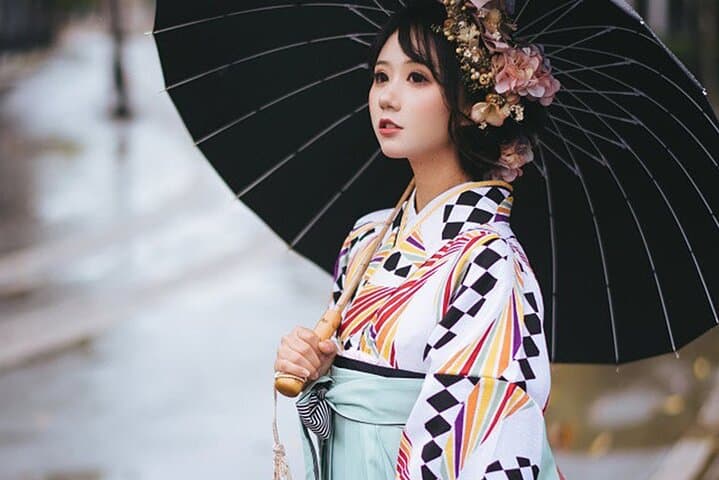
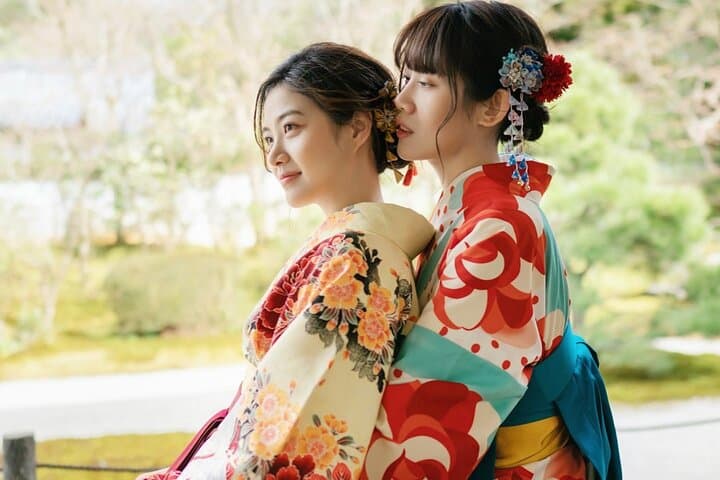

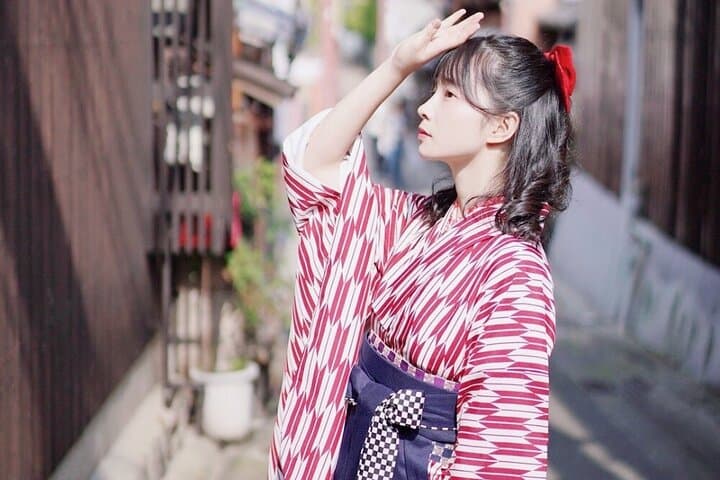
Morning light slices through Kyoto's narrow lanes and the wooden facades seem to lean in to watch. A wearer steps out in a hakama—pleated trousers over kimono—its fabric moving with purpose as rickshaw bells and bicycle tires mark the city's slow rhythm. Photographs taken here trade staged glamour for streets that remember processions, ceremonies and daily life.
Morning light slices through Kyoto's narrow lanes and the wooden facades seem to lean in to watch. A wearer steps out in a hakama—pleated trousers over kimono—its fabric moving with purpose as rickshaw bells and bicycle tires mark the city's slow rhythm. Photographs taken here trade staged glamour for streets that remember processions, ceremonies and daily life.
Kyoto was Japan’s imperial heart for over a millennium, and kimono styles reflect that layered history: cut, color and obi knots encode season, formality and sometimes school or family ties. Hakama became common for ceremonies and graduations in the Meiji era and now punctuate modern coming-of-age moments against temple gates, stone lanterns and mossed garden walls. The stone and wood of Kyoto’s old neighborhoods—once river and alluvial plain—now frame a living cultural scene.
Practical notes: most rentals include kimono, obi, bag and basic footwear and require returning the outfit by late afternoon (many shops state a 6 p.m. deadline). Budget time for dressing and a simple hairstyle; expect mobility restrictions—short walks and many photo stops rather than long treks. Dress in layers beneath silk or synthetic kimono for warmth in winter and light moisture-wicking layers in summer. Respect temple etiquette: remove hats, avoid loud behavior, and ask before photographing people.
Planning tips: book by height and measurements, allow 60–90 minutes for fitting and photos, carry small cash for temple admissions, and schedule on weekdays to avoid crowds. With a hakama on, the city’s history walks with you; preparation keeps the moment effortless.