THE ADVENTURE COLLECTIVE® · Independent discovery and booking for outdoor travel

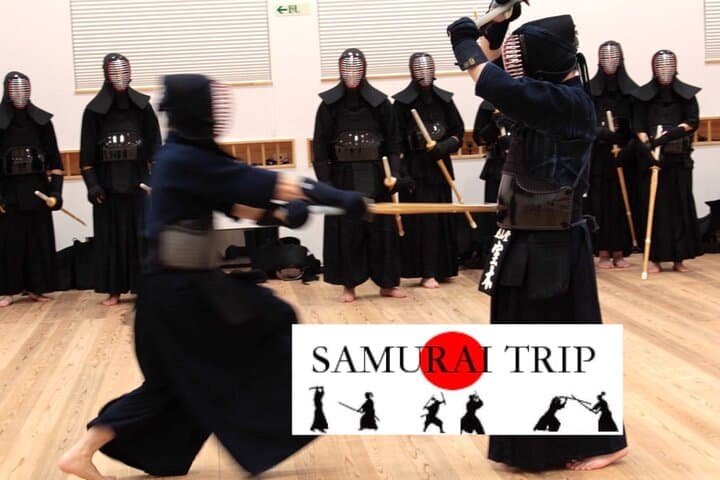
Step into a Kyoto dojo for a two-hour kendo workshop that pairs basic sword etiquette with hands-on drills and friendly sparring. Ideal for first-timers, the experience blends cultural history with practical technique and all equipment is provided.
Step into a Kyoto dojo for a two-hour kendo workshop that pairs basic sword etiquette with hands-on drills and friendly sparring. Ideal for first-timers, the experience blends cultural history with practical technique and all equipment is provided.
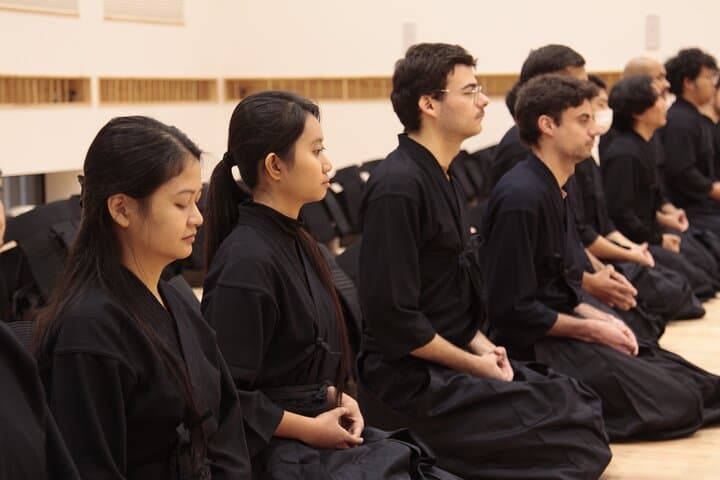
The dojo smells of polished wood and linseed oil; sunlight slices through high windows and dust motes move like quiet witnesses as you bow into place. For two hours in central Kyoto you trade camera clicks for the measured rhythm of footwork and the bamboo thud of shinai meeting target.
Verified experiences and guided adventures in the surrounding area.
Operated by SAMURAI TRIP · Kyoto, Kyoto
The dojo smells of polished wood and linseed oil; sunlight slices through high windows and dust motes move like quiet witnesses as you bow into place. For two hours in central Kyoto you trade camera clicks for the measured rhythm of footwork and the bamboo thud of shinai meeting target.
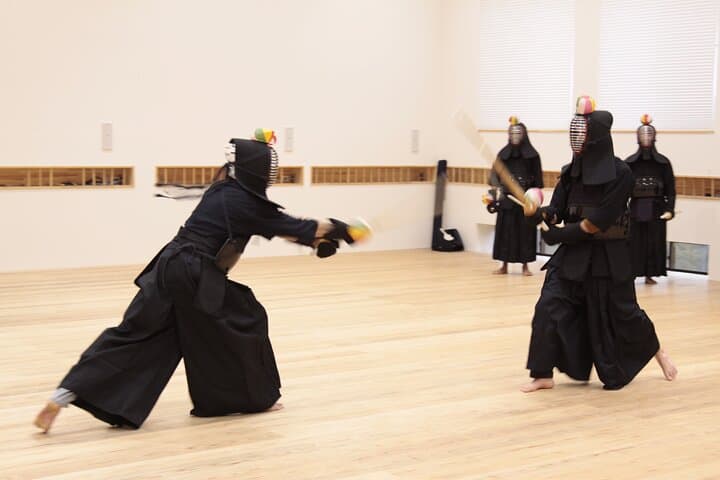
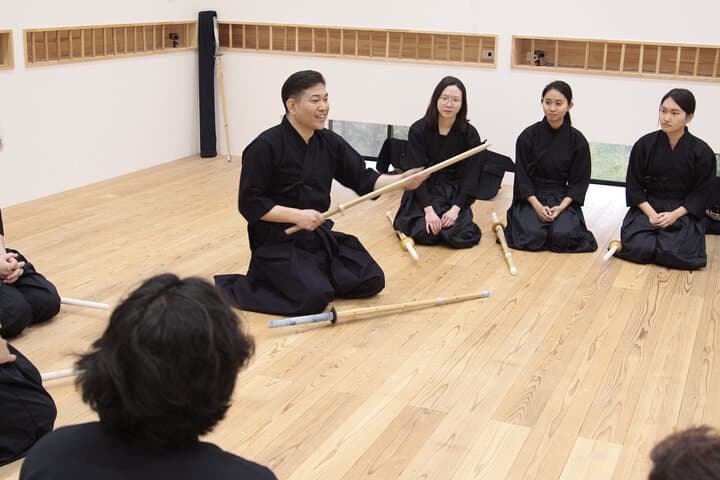
Kendo grew from samurai kenjutsu and was codified into a modern martial art after the Meiji era, blending combat technique with ritualized etiquette. In Kyoto — an old capital hemmed by low hills and crossed by the Kamo River — the practice feels both historical and immediate: teachers explain etiquette, demonstrate strikes, and fit you with bogu and shinai so you can practice strikes, footwork, and timing.
Expect hands-on coaching from English-speaking instructors, a brief history of armor and schooling, and progressive drills from basic posture to controlled sparring. Physically it's rhythmic and fast; the bamboo sword and armor transmit feedback that sharpens balance and awareness.
Practical guidance: arrive 10–15 minutes early for sizing and orientation, wear athletic layers you can move in, and hydrate before the session. The dojo enforces respectful behavior — remove shoes, bow, and follow the teacher. The experience is suitable for first-timers with moderate fitness but not recommended for participants with spinal or serious cardiovascular issues.
Leave with a small towel and photo opportunities of the gear. Whether you come for cultural context or a short, focused workout, this two-hour workshop delivers a clear, disciplined encounter with Japan’s living sword arts.
moderate.
2 hours.
Moderately fit: expect repeated lunges, quick footwork, and short bursts of contact; some stamina and joint mobility required.
No. The workshop is designed for beginners; instructors start with etiquette and basic strikes before moving to guided drills.
Yes. Bogu (armor) and shinai (bamboo sword) are supplied and sized for participants.
Instruction is provided in English by experienced teachers who guide technique and etiquette clearly.
Age and fitness requirements vary; check the operator’s booking questions and mention special requirements—infants are stroller-accessible but the activity requires at least moderate fitness.
Kendo evolved from samurai sword schools and was standardized in the 20th century as both a physical discipline and a character-building practice; many Kyoto instructors hold advanced Dan ranks.
Respect for the dojo and local culture is central: remove shoes, follow waste-reduction practices, and avoid noisy behavior around historic sites to minimize impact.
SAMURAI TRIP operates guided outdoor trips and adventures with an emphasis on safety, stewardship, and memorable experiences.
The dojo smells of polished wood and linseed oil; sunlight slices through high windows and dust motes move like quiet witnesses as you bow into place. For two hours in central Kyoto you trade camera clicks for the measured rhythm of footwork and the bamboo thud of shinai meeting target.
The dojo smells of polished wood and linseed oil; sunlight slices through high windows and dust motes move like quiet witnesses as you bow into place. For two hours in central Kyoto you trade camera clicks for the measured rhythm of footwork and the bamboo thud of shinai meeting target.
Kendo grew from samurai kenjutsu and was codified into a modern martial art after the Meiji era, blending combat technique with ritualized etiquette. In Kyoto — an old capital hemmed by low hills and crossed by the Kamo River — the practice feels both historical and immediate: teachers explain etiquette, demonstrate strikes, and fit you with bogu and shinai so you can practice strikes, footwork, and timing.
Expect hands-on coaching from English-speaking instructors, a brief history of armor and schooling, and progressive drills from basic posture to controlled sparring. Physically it's rhythmic and fast; the bamboo sword and armor transmit feedback that sharpens balance and awareness.
Practical guidance: arrive 10–15 minutes early for sizing and orientation, wear athletic layers you can move in, and hydrate before the session. The dojo enforces respectful behavior — remove shoes, bow, and follow the teacher. The experience is suitable for first-timers with moderate fitness but not recommended for participants with spinal or serious cardiovascular issues.
Leave with a small towel and photo opportunities of the gear. Whether you come for cultural context or a short, focused workout, this two-hour workshop delivers a clear, disciplined encounter with Japan’s living sword arts.