THE ADVENTURE COLLECTIVE® · Independent discovery and booking for outdoor travel

Walk Kyoto’s eastern streets as if you’re the star of a drama—an app-led, GPS-enabled scavenger hunt that strings together Ginkaku-ji, the Philosopher’s Path, hidden shrines and rooftop vistas. Ideal for independent travelers who want structured storytelling with the freedom to wander.
Walk Kyoto’s eastern streets as if you’re the star of a drama—an app-led, GPS-enabled scavenger hunt that strings together Ginkaku-ji, the Philosopher’s Path, hidden shrines and rooftop vistas. Ideal for independent travelers who want structured storytelling with the freedom to wander.
You start at the Silver Pavilion as early light slips through tall pines and the moss underfoot seems to remember every bow and footfall. The app announces your first scene; stone lanterns, willow-lined canals and the narrow Philosopher’s Path unfold like a stage and the canal dares you to slow down and look for small, scripted details.
Verified experiences and guided adventures in the surrounding area.
Operated by Leplace - interactive self-guided app tours · Kyoto, Kyoto Prefecture
You start at the Silver Pavilion as early light slips through tall pines and the moss underfoot seems to remember every bow and footfall. The app announces your first scene; stone lanterns, willow-lined canals and the narrow Philosopher’s Path unfold like a stage and the canal dares you to slow down and look for small, scripted details.
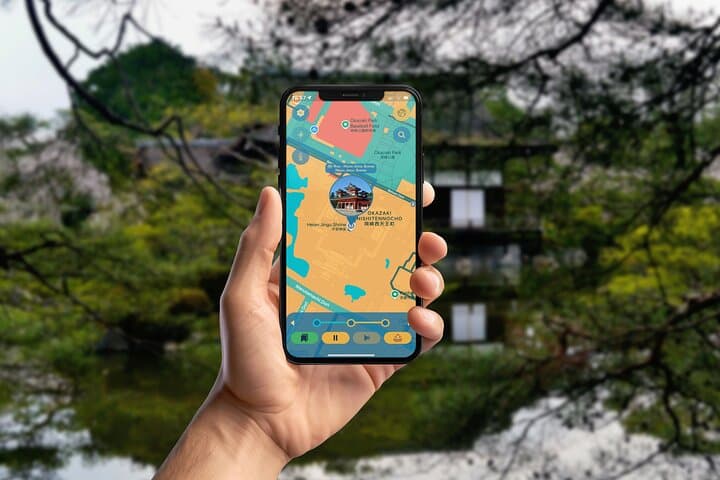
This route threads through Higashiyama, a district shaped by centuries of court culture and Buddhist practice. Ginkaku-ji (the Silver Pavilion) is a 15th-century Zen complex whose gardens reflect Muromachi-period aesthetics; Heian Jingu replays the scale of Kyoto’s ancient courts with its bright torii. Geologically the valley is a low terrace carved by tributaries of the Kamo River, and the walk’s gentle grades follow old watercourses that shaped neighborhood streets.
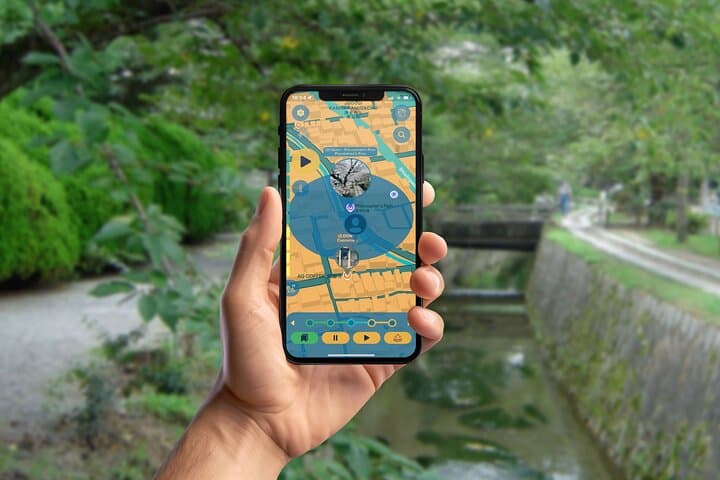
Culture here is tactile: temple stone, wooden eaves, and specialty cafés where wagashi and coffee form a modern ritual. The app turns stops into puzzles—finding stone mice at Otoyo Shrine or a carved symbol on the Philosopher’s Path—so solo travelers get a narrative spine without a guide.
Practical guidance: plan 1–2 hours, bring a charged smartphone and portable battery, and wear grippy shoes for mossy stone and occasional wet pavement. Expect narrow sidewalks and local foot traffic; respect temple etiquette and cash for small purchases. Start early or late afternoon to avoid the busiest windows, and allow extra time to linger at coffee shops and viewpoints like Shogunzuka for a sunset finish.
easy.
1–2 hours.
Suitable for most fitness levels; you should be able to walk 2–4 km with occasional steps and gentle slopes.
Yes—install the mobile app as instructed in your confirmation email and allow location permissions for GPS guidance.
Yes—it's family-friendly, though some puzzles may be better for older children and strollers may be difficult on narrow sections.
No—this self-guided tour points out attractions but individual temple admissions, if any, are paid separately.
Yes—your booking provides flexible start times; plan around opening hours of specific temples if you intend to enter them.
The Philosopher’s Path follows a canal that inspired Kyoto thinkers in the early 20th century and connects numerous Heian- and Muromachi-era sites reflecting the city’s courtly heritage.
Stay on designated paths, avoid stepping on moss or garden edges, and follow local rules about photography and quiet in temple precincts to minimize impact.
Leplace - interactive self-guided app tours operates guided outdoor trips and adventures with an emphasis on safety, stewardship, and memorable experiences.

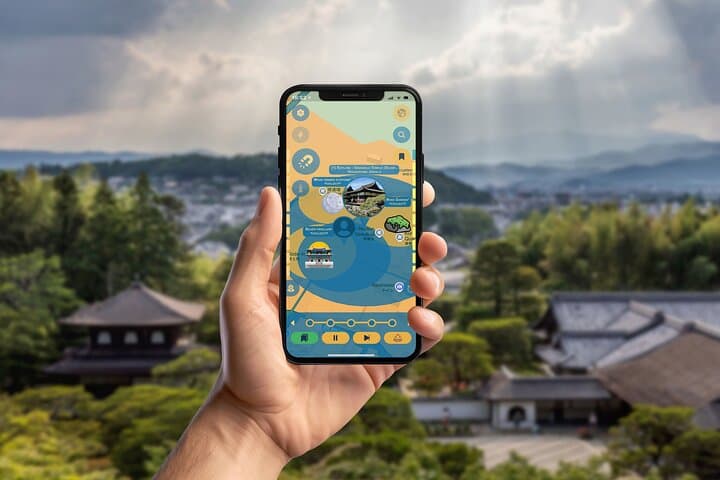
You start at the Silver Pavilion as early light slips through tall pines and the moss underfoot seems to remember every bow and footfall. The app announces your first scene; stone lanterns, willow-lined canals and the narrow Philosopher’s Path unfold like a stage and the canal dares you to slow down and look for small, scripted details.
You start at the Silver Pavilion as early light slips through tall pines and the moss underfoot seems to remember every bow and footfall. The app announces your first scene; stone lanterns, willow-lined canals and the narrow Philosopher’s Path unfold like a stage and the canal dares you to slow down and look for small, scripted details.
This route threads through Higashiyama, a district shaped by centuries of court culture and Buddhist practice. Ginkaku-ji (the Silver Pavilion) is a 15th-century Zen complex whose gardens reflect Muromachi-period aesthetics; Heian Jingu replays the scale of Kyoto’s ancient courts with its bright torii. Geologically the valley is a low terrace carved by tributaries of the Kamo River, and the walk’s gentle grades follow old watercourses that shaped neighborhood streets.
Culture here is tactile: temple stone, wooden eaves, and specialty cafés where wagashi and coffee form a modern ritual. The app turns stops into puzzles—finding stone mice at Otoyo Shrine or a carved symbol on the Philosopher’s Path—so solo travelers get a narrative spine without a guide.
Practical guidance: plan 1–2 hours, bring a charged smartphone and portable battery, and wear grippy shoes for mossy stone and occasional wet pavement. Expect narrow sidewalks and local foot traffic; respect temple etiquette and cash for small purchases. Start early or late afternoon to avoid the busiest windows, and allow extra time to linger at coffee shops and viewpoints like Shogunzuka for a sunset finish.