THE ADVENTURE COLLECTIVE® · Independent discovery and booking for outdoor travel

Walk through Kyoto’s most considered garden spaces with a government‑licensed guide who tailors a six‑hour private itinerary. Expect moss courts, pond reflections, Zen rock gardens and practical tips on timing and etiquette.
Walk through Kyoto’s most considered garden spaces with a government‑licensed guide who tailors a six‑hour private itinerary. Expect moss courts, pond reflections, Zen rock gardens and practical tips on timing and etiquette.
Morning light threads between cedar and maple as a licensed guide leads a small group through Kyoto’s garden rooms—pond edges, moss courts and clipped pines arranged with quiet deliberation. The city’s gardens are experienced at walking pace: each gate offers a new composition, each stone suggests a story.
Verified experiences and guided adventures in the surrounding area.
Operated by Japan Guide Agency · Kyoto, Kyoto Prefecture
Morning light threads between cedar and maple as a licensed guide leads a small group through Kyoto’s garden rooms—pond edges, moss courts and clipped pines arranged with quiet deliberation. The city’s gardens are experienced at walking pace: each gate offers a new composition, each stone suggests a story.
These gardens were shaped over centuries by religion, aristocratic taste and the practice of Zen. From the gold-reflecting pond at Kinkakuji to the spare raked beds at Ryōanji, the layouts record shifts in aesthetics from the Ashikaga shogunate through tea‑ceremony culture and Edo-era imperial retreats. Geologically, Kyoto sits on a flat basin ringed by low mountains; many temples intentionally use local stone, water from mountain streams, and microclimates that encourage moss and maples.
Cultural etiquette is part of the experience: remove hats in shrines, speak softly, and follow temple photography rules. Guides with National Government Licensed Guide Interpreter certification provide historical context and can customize an itinerary of 3–4 sites to match seasonal highlights.
Practical guidance: this is a six-hour walking tour across city neighborhoods—expect paved paths, temple steps and short transfers on foot or public transit. Wear supportive shoes, carry a slim rain layer and a refillable water bottle. Start early to avoid crowds at flagship sites like Kinkakuji and Arashiyama’s bamboo grove, and reserve extra time if you plan to join special-entry tours (for example, Katsura Imperial Villa). For a calm, informative day, aim for off-peak hours, follow the guide’s pacing, and respect garden and temple rules to keep these landscapes intact for future visitors.
easy.
6 hours.
Light walking stamina is required; suitable for most fitness levels who can manage several hours on foot.
Admissions depend on the sites you choose—this private tour can visit 3–4 locations, but entry fees are usually not included unless specified.
Meeting is on foot within a designated area of Kyoto; your licensed guide confirms a convenient central meeting point when you book.
Many garden paths and temple grounds are wheelchair accessible, but some historic sites include steps; notify the guide of mobility needs so they can tailor the route.
Yes—pick must‑see gardens from the provided list and the guide will build a private walking route to match your interests and pace.
Kyoto’s gardens reflect centuries of imperial and samurai patronage and the Higashiyama cultural flowering that refined tea, flower arranging and garden aesthetics.
Visitors should stay on marked paths, avoid touching vegetation and follow temple rules to reduce erosion and preserve delicate moss and plantings.
Japan Guide Agency operates guided outdoor trips and adventures with an emphasis on safety, stewardship, and memorable experiences.
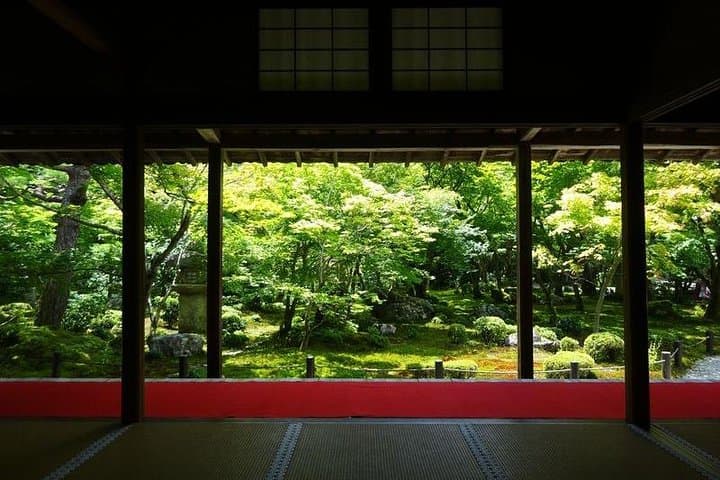
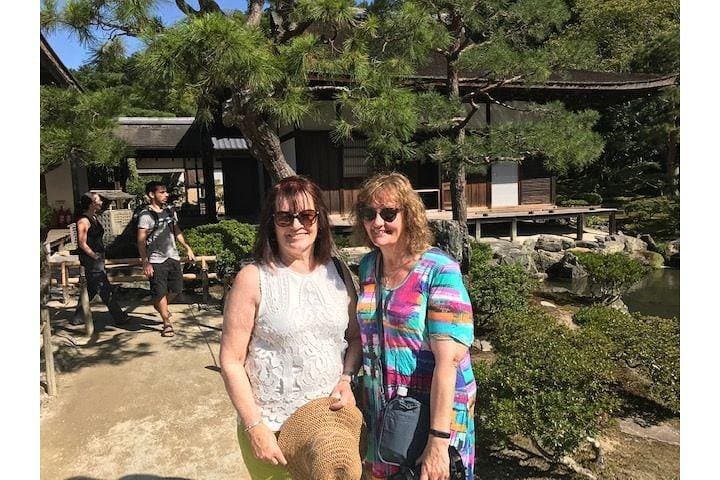
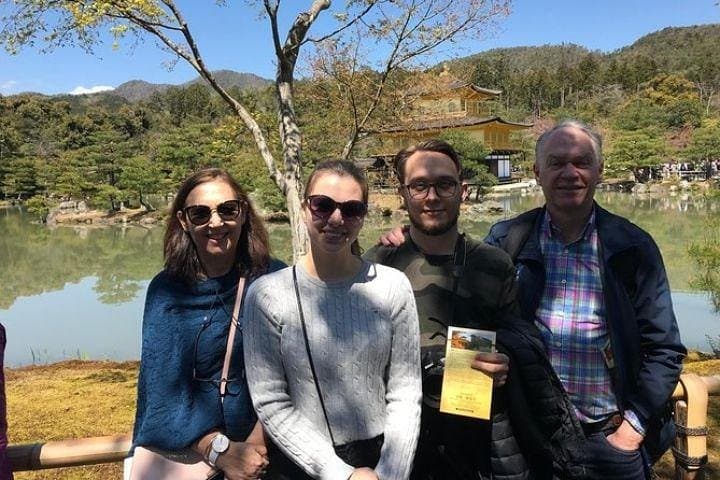
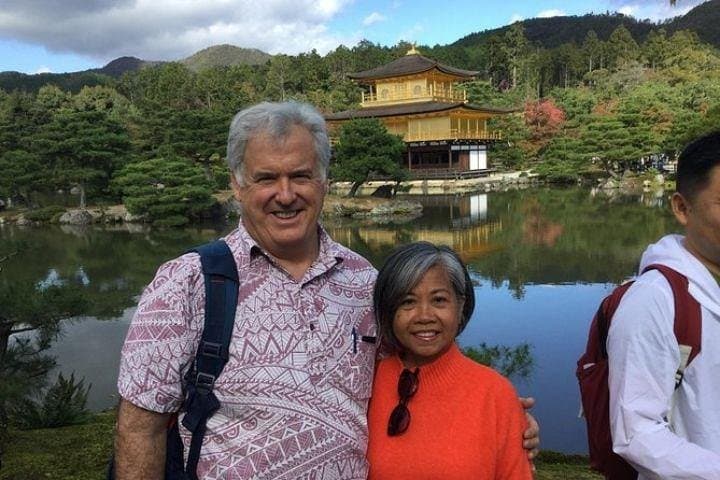
Morning light threads between cedar and maple as a licensed guide leads a small group through Kyoto’s garden rooms—pond edges, moss courts and clipped pines arranged with quiet deliberation. The city’s gardens are experienced at walking pace: each gate offers a new composition, each stone suggests a story.
Morning light threads between cedar and maple as a licensed guide leads a small group through Kyoto’s garden rooms—pond edges, moss courts and clipped pines arranged with quiet deliberation. The city’s gardens are experienced at walking pace: each gate offers a new composition, each stone suggests a story.
These gardens were shaped over centuries by religion, aristocratic taste and the practice of Zen. From the gold-reflecting pond at Kinkakuji to the spare raked beds at Ryōanji, the layouts record shifts in aesthetics from the Ashikaga shogunate through tea‑ceremony culture and Edo-era imperial retreats. Geologically, Kyoto sits on a flat basin ringed by low mountains; many temples intentionally use local stone, water from mountain streams, and microclimates that encourage moss and maples.
Cultural etiquette is part of the experience: remove hats in shrines, speak softly, and follow temple photography rules. Guides with National Government Licensed Guide Interpreter certification provide historical context and can customize an itinerary of 3–4 sites to match seasonal highlights.
Practical guidance: this is a six-hour walking tour across city neighborhoods—expect paved paths, temple steps and short transfers on foot or public transit. Wear supportive shoes, carry a slim rain layer and a refillable water bottle. Start early to avoid crowds at flagship sites like Kinkakuji and Arashiyama’s bamboo grove, and reserve extra time if you plan to join special-entry tours (for example, Katsura Imperial Villa). For a calm, informative day, aim for off-peak hours, follow the guide’s pacing, and respect garden and temple rules to keep these landscapes intact for future visitors.