THE ADVENTURE COLLECTIVE® · Independent discovery and booking for outdoor travel

See Kyoto’s top ten landmarks in a single, well-paced private day: Fushimi Inari, Golden Pavilion, Kiyomizu-dera, Arashiyama and more. A local guide, short walks and 3–4 taxi hops make a packed day efficient and rich with local stories.
See Kyoto’s top ten landmarks in a single, well-paced private day: Fushimi Inari, Golden Pavilion, Kiyomizu-dera, Arashiyama and more. A local guide, short walks and 3–4 taxi hops make a packed day efficient and rich with local stories.
You step out of Kita-oji station into cool morning air and the day stretches like a map of stories — from the thousand torii of Fushimi Inari to the reflective face of the Golden Pavilion. A local guide leads the rhythm: short walks, a few taxi hops and moments where streets narrow into alleys only residents use.
Verified experiences and guided adventures in the surrounding area.
Operated by EE tour · Kyoto, Kyoto Prefecture
You step out of Kita-oji station into cool morning air and the day stretches like a map of stories — from the thousand torii of Fushimi Inari to the reflective face of the Golden Pavilion. A local guide leads the rhythm: short walks, a few taxi hops and moments where streets narrow into alleys only residents use.
Kyoto was Japan’s imperial heart for a millennium; its temples and gardens reflect layers of political power, Buddhist practice and refined gardening techniques that shaped both culture and landscape. The city sits on an inland plain ringed by low mountains whose rivers once guided trade and settlement — their seasonal moods still shape how Kyoto feels through the year.
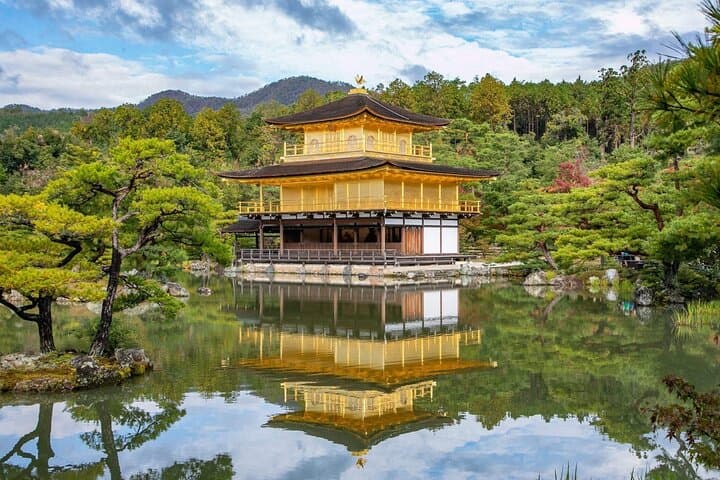
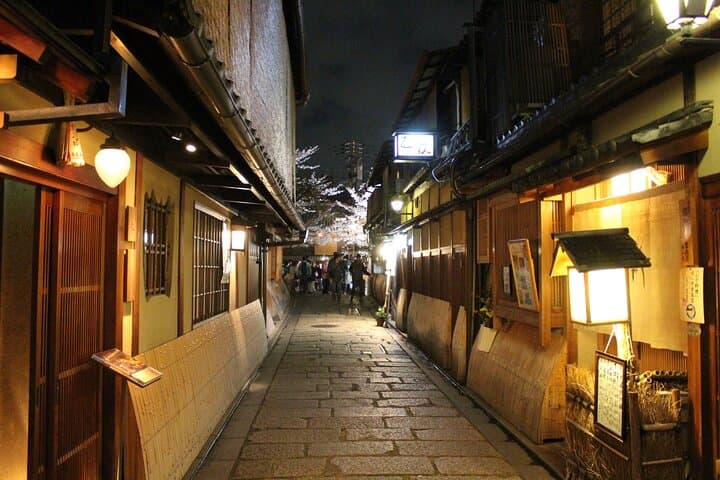
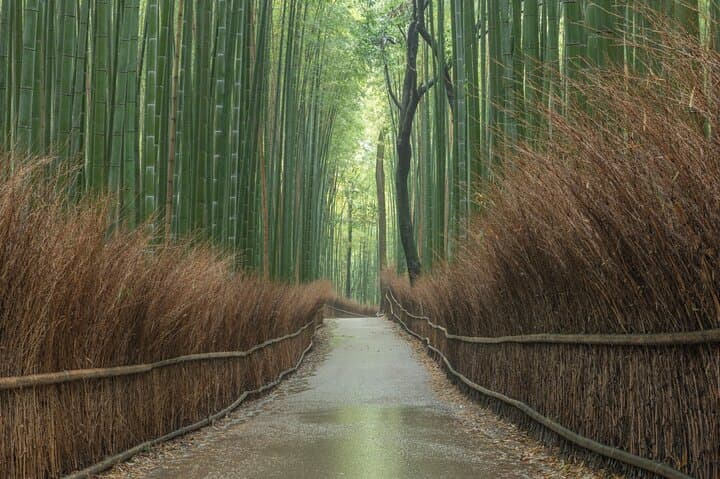
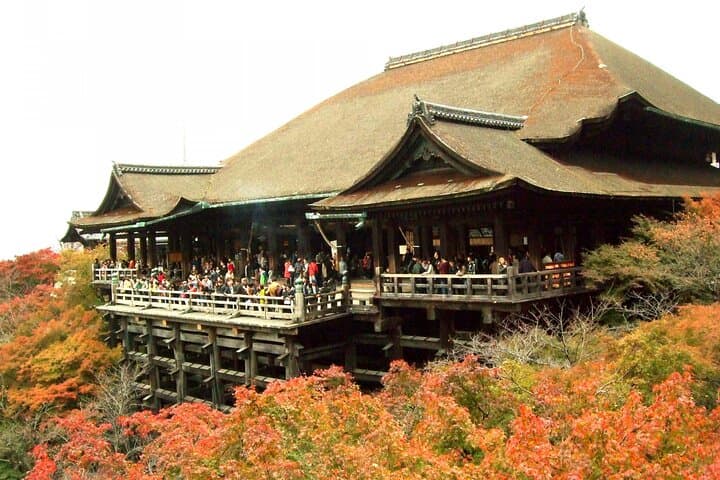
On this private, full-day route you’ll pass UNESCO sites (Kinkaku-ji, Kiyomizu-dera, Tenryu-ji), ply the hush of Arashiyama’s bamboo, and thread Gion’s geisha quarters. The bamboo grove seems to lean and murmur while the torii at Fushimi Inari push you up the mountain in a corridor of vermilion.
Practical edge: expect roughly eight hours with several short walks and stairs; taxis are used 3–4 times to conserve time and energy, and many shrines still prefer cash for small fees. Start early to outpace tour buses, wear grippy shoes for temple steps and keep a light rain layer in summer.
This itinerary compresses Kyoto’s cultural essentials into one efficient, narrated loop — ideal if you want depth of story and breadth of sites in a single, well-paced day.
moderate.
8 hours.
Light to moderate fitness; comfortable walking and several flights of stairs throughout the day.
Meet at the south ticket gate of Kita-oji station on the Kyoto City Subway Karasuma Line (station K04).
Strollers are usable in many areas, but several temples and slopes have stairs; it’s not fully wheelchair accessible.
The full-day schedule is tight and not adjustable; inform the operator of dietary restrictions when booking so they can advise on lunch options.
Tipping is not customary in Japan; a polite thank-you or small gift is appreciated but not expected.
Kyoto served as Japan’s imperial capital for over a thousand years; many shrines and temples preserve architectural styles and garden design from the Heian to Edo periods.
Many sites are fragile: stay on designated paths, avoid flash photography where posted, and respect temple rules about noise and offerings to help preserve these cultural landscapes.
EE tour operates guided outdoor trips and adventures with an emphasis on safety, stewardship, and memorable experiences.
You step out of Kita-oji station into cool morning air and the day stretches like a map of stories — from the thousand torii of Fushimi Inari to the reflective face of the Golden Pavilion. A local guide leads the rhythm: short walks, a few taxi hops and moments where streets narrow into alleys only residents use.
You step out of Kita-oji station into cool morning air and the day stretches like a map of stories — from the thousand torii of Fushimi Inari to the reflective face of the Golden Pavilion. A local guide leads the rhythm: short walks, a few taxi hops and moments where streets narrow into alleys only residents use.
Kyoto was Japan’s imperial heart for a millennium; its temples and gardens reflect layers of political power, Buddhist practice and refined gardening techniques that shaped both culture and landscape. The city sits on an inland plain ringed by low mountains whose rivers once guided trade and settlement — their seasonal moods still shape how Kyoto feels through the year.
On this private, full-day route you’ll pass UNESCO sites (Kinkaku-ji, Kiyomizu-dera, Tenryu-ji), ply the hush of Arashiyama’s bamboo, and thread Gion’s geisha quarters. The bamboo grove seems to lean and murmur while the torii at Fushimi Inari push you up the mountain in a corridor of vermilion.
Practical edge: expect roughly eight hours with several short walks and stairs; taxis are used 3–4 times to conserve time and energy, and many shrines still prefer cash for small fees. Start early to outpace tour buses, wear grippy shoes for temple steps and keep a light rain layer in summer.
This itinerary compresses Kyoto’s cultural essentials into one efficient, narrated loop — ideal if you want depth of story and breadth of sites in a single, well-paced day.