THE ADVENTURE COLLECTIVE® · Independent discovery and booking for outdoor travel

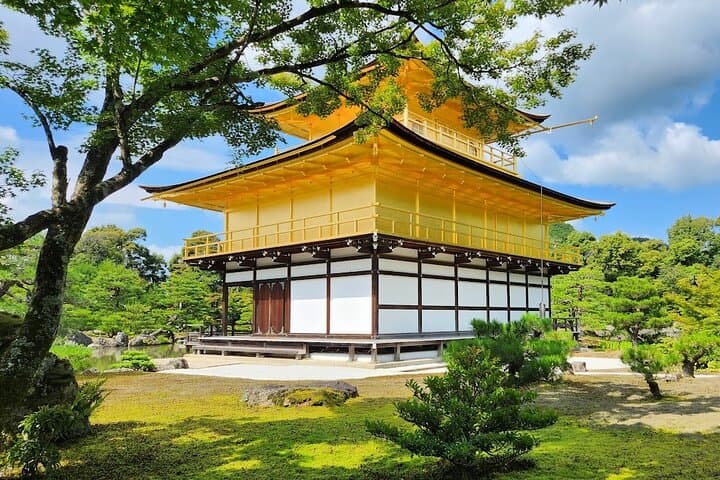
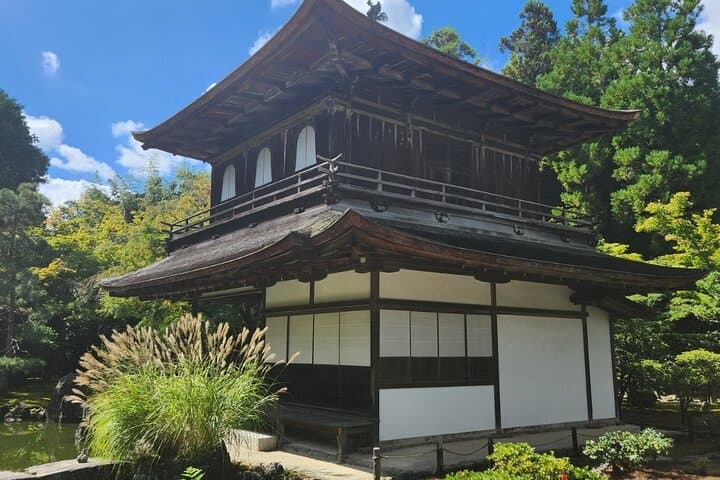
See Kyoto’s essentials in a single, efficient loop: thousand torii at Fushimi Inari, the gilded reflection of Kinkaku-ji, Ginkaku-ji’s quiet gardens, and Arashiyama’s bamboo columns. This private six-hour car tour pairs local context with flexible stops and hotel pickup to maximize time on-site.
See Kyoto’s essentials in a single, efficient loop: thousand torii at Fushimi Inari, the gilded reflection of Kinkaku-ji, Ginkaku-ji’s quiet gardens, and Arashiyama’s bamboo columns. This private six-hour car tour pairs local context with flexible stops and hotel pickup to maximize time on-site.
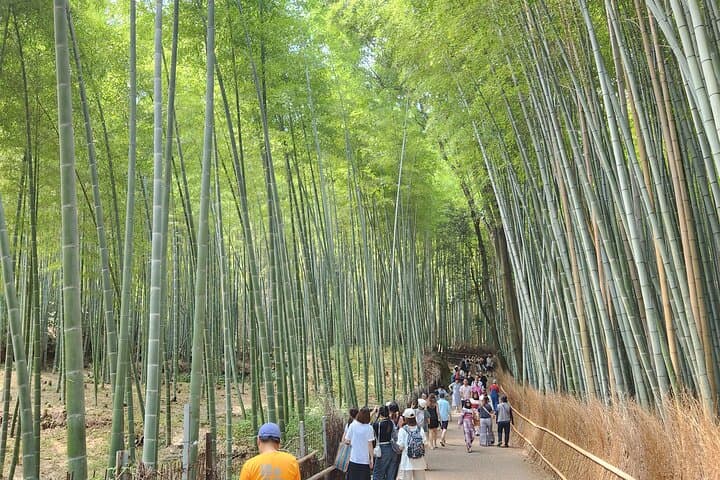
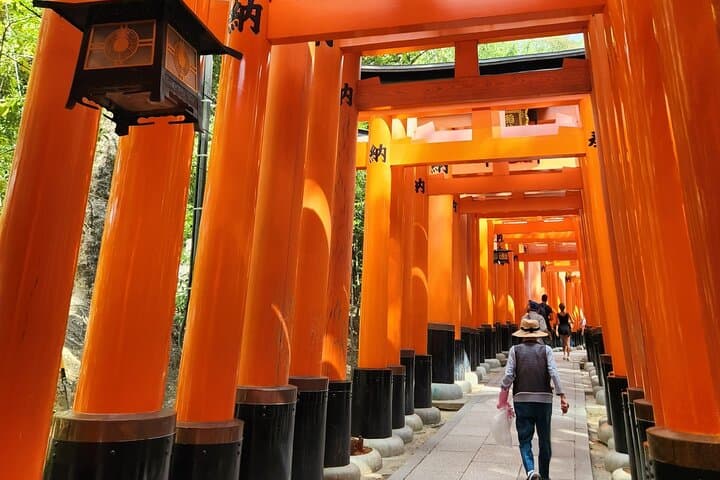
You step out of an air-conditioned car and the city breathes differently: torii gates crowd the path at Fushimi Inari, bamboo columns in Arashiyama lean like tall sentries, and the river under Togetsukyo hums as if urging you to keep moving.
Verified experiences and guided adventures in the surrounding area.
Operated by ホプテラス · Kyoto, Kyoto Prefecture
You step out of an air-conditioned car and the city breathes differently: torii gates crowd the path at Fushimi Inari, bamboo columns in Arashiyama lean like tall sentries, and the river under Togetsukyo hums as if urging you to keep moving.
This six-hour loop stitches together Kyoto’s layered history — from the Heian-era rise of the imperial court to the Zen gardens that shaped Japanese aesthetics. The city sits on an alluvial plain framed by low mountains; volcanic soils and river terraces helped shape temple placement and garden design. Cultural threads are visible at Kinkaku-ji’s gilded pavilion, Ginkaku-ji’s understated moss gardens, and Gion’s preserved wooden machiya where tea houses quietly guard old rituals.
Local insights: arrive early at tori-lined trails to avoid peak crowds, and save Arashiyama for softer late-afternoon light. The bamboo grove responds to wind like a chorus, and the Kamo River often draws cyclists and locals on riverbank walks — both make for human-scale scenes between photo stops.
Practical guidance: this private car format is efficient—expect short walks at each stop rather than long hikes. Bring comfortable walking shoes for temple steps and uneven paths, a light jacket for shaded areas, and a portable charger for photos. Respect shrine etiquette (bow, cleanse hands) and watch for restricted areas around preservation sites. If you want deeper context, ask your English-speaking driver-guide for historical background and seasonal highlights; they can tailor timing to light, crowds, and your interests.
easy.
6 hours.
Light walking with short uphill sections; suitable for most travelers comfortable on their feet for 1–3 miles total.
Yes — you can choose up to five destinations and the driver-guide will adjust the route based on traffic, season, and interests.
Admission fees are generally not included; many sites charge separate entry, so bring cash or check in advance.
Yes, this tour provides an English-speaking driver-guide who offers historical and cultural context at each stop.
Yes — hotel and station pickup and drop-off are included for a seamless door-to-door experience.
Kyoto served as Japan’s imperial capital from 794 until 1868; many temples and shrines on this route reflect centuries of court, Zen, and local religious development.
Temples manage large visitor flows with restricted routes and seasonal limits—follow posted signs, stay on paths, and avoid feeding wildlife to reduce impact.
ホプテラス operates guided outdoor trips and adventures with an emphasis on safety, stewardship, and memorable experiences.
You step out of an air-conditioned car and the city breathes differently: torii gates crowd the path at Fushimi Inari, bamboo columns in Arashiyama lean like tall sentries, and the river under Togetsukyo hums as if urging you to keep moving.
You step out of an air-conditioned car and the city breathes differently: torii gates crowd the path at Fushimi Inari, bamboo columns in Arashiyama lean like tall sentries, and the river under Togetsukyo hums as if urging you to keep moving.
This six-hour loop stitches together Kyoto’s layered history — from the Heian-era rise of the imperial court to the Zen gardens that shaped Japanese aesthetics. The city sits on an alluvial plain framed by low mountains; volcanic soils and river terraces helped shape temple placement and garden design. Cultural threads are visible at Kinkaku-ji’s gilded pavilion, Ginkaku-ji’s understated moss gardens, and Gion’s preserved wooden machiya where tea houses quietly guard old rituals.
Local insights: arrive early at tori-lined trails to avoid peak crowds, and save Arashiyama for softer late-afternoon light. The bamboo grove responds to wind like a chorus, and the Kamo River often draws cyclists and locals on riverbank walks — both make for human-scale scenes between photo stops.
Practical guidance: this private car format is efficient—expect short walks at each stop rather than long hikes. Bring comfortable walking shoes for temple steps and uneven paths, a light jacket for shaded areas, and a portable charger for photos. Respect shrine etiquette (bow, cleanse hands) and watch for restricted areas around preservation sites. If you want deeper context, ask your English-speaking driver-guide for historical background and seasonal highlights; they can tailor timing to light, crowds, and your interests.