THE ADVENTURE COLLECTIVE® · Independent discovery and booking for outdoor travel

Walk from Fushimi Inari’s thousand torii through Nishiki Market and Gion to the hilltop Kiyomizu-dera in a single day. This guided route blends living culture, temple history, and practical logistics for an immersive day in eastern Kyoto.
Walk from Fushimi Inari’s thousand torii through Nishiki Market and Gion to the hilltop Kiyomizu-dera in a single day. This guided route blends living culture, temple history, and practical logistics for an immersive day in eastern Kyoto.
Morning light cuts through the gaps between vermilion torii as the guide leads the group toward Inari’s upper trails. The scent of incense and soy-sauce vendors drifts from narrow lanes while urban railway hums remind you this is a living city, not a museum.
Verified experiences and guided adventures in the surrounding area.
Operated by Snow Monkey Resorts Tours (Machinovate Japan Ltd.) · Kyoto, Kyoto Prefecture
Morning light cuts through the gaps between vermilion torii as the guide leads the group toward Inari’s upper trails. The scent of incense and soy-sauce vendors drifts from narrow lanes while urban railway hums remind you this is a living city, not a museum.
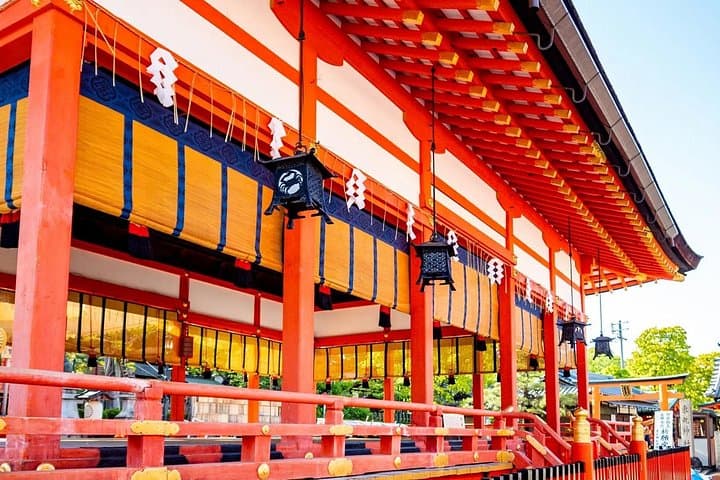
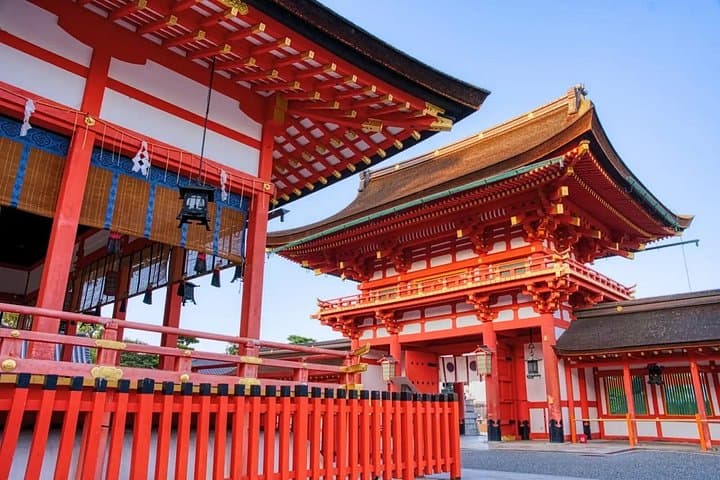
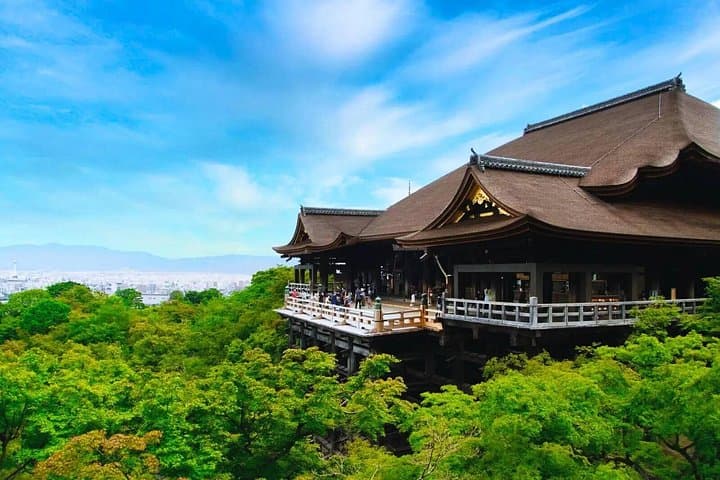
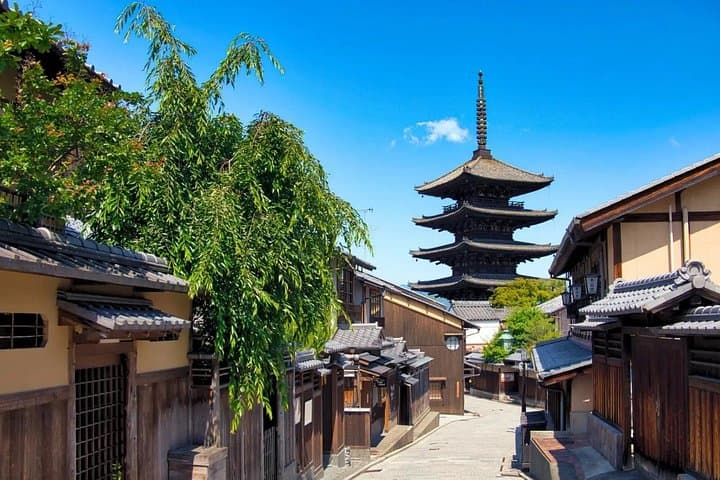
This full-day walking loop threads Eastern Kyoto’s layered history: Fushimi Inari’s Shinto stairways and fox statues that mark centuries of pilgrimage; Nishiki Market’s working food stalls that have supplied Kyoto for generations; Gion’s preserved entertainment quarter where wooden machiya fronts recall Edo-era streets; and Kiyomizu-dera, a hilltop Buddhist complex founded in 778 with timber stages that frame sweeping city views.
Geology is modest but readable—granite ridges and shale outcrops give way to terraced shrine platforms and carved stone lanterns, while drainage gullies and stepped streets shape the pedestrian flow. Culturally, this route stitches Shinto and Buddhist sites with merchant culture: expect prayer rituals, temple bells, and seasonal festivals.
Practical guidance: the day involves mostly paved and cobbled walking with some short stair climbs—plan for 6–8 hours door-to-door including train hops. Wear supportive shoes, bring a compact umbrella or light rain shell, and keep small change or an IC transit card for trains and temple offerings. Lunch is independent; allow time for Nishiki Market sampling. Start early to beat crowds at Fushimi Inari and aim to finish Kiyomizu-dera by late afternoon light. Stay mindful of temple etiquette—speak softly, remove hats in some areas, and follow posted rules. The route rewards steady pacing: move deliberately, taste the city, then pause for views when they present themselves.
easy.
6–8 hours.
Suitable for most fitness levels; expect steady walking with short stair climbs and some standing time
The meeting point is Starbucks Kyoto Tower Sando on the north side of Kyoto Station; the tour also ends there unless otherwise arranged.
Entrance fees and train fares are required but not included; the guide will indicate when to purchase tickets or where to board trains.
No—there is free time at Nishiki Market to buy lunch; plan for about 30–60 minutes depending on your choices.
Yes—rated physically easy, but expect several hours of walking and short stair climbs; inform the operator of mobility concerns when booking.
The route links sites spanning over a millennium: Fushimi Inari’s shrine complex predates many modern districts, while Kiyomizu-dera’s current buildings date largely to 1633 under Tokugawa patronage.
High visitor numbers strain small lanes and temple precincts—stick to paved paths, avoid flash photography where prohibited, and support local businesses to help maintain historic areas.
Snow Monkey Resorts Tours (Machinovate Japan Ltd.) operates guided outdoor trips and adventures with an emphasis on safety, stewardship, and memorable experiences.
Morning light cuts through the gaps between vermilion torii as the guide leads the group toward Inari’s upper trails. The scent of incense and soy-sauce vendors drifts from narrow lanes while urban railway hums remind you this is a living city, not a museum.
Morning light cuts through the gaps between vermilion torii as the guide leads the group toward Inari’s upper trails. The scent of incense and soy-sauce vendors drifts from narrow lanes while urban railway hums remind you this is a living city, not a museum.
This full-day walking loop threads Eastern Kyoto’s layered history: Fushimi Inari’s Shinto stairways and fox statues that mark centuries of pilgrimage; Nishiki Market’s working food stalls that have supplied Kyoto for generations; Gion’s preserved entertainment quarter where wooden machiya fronts recall Edo-era streets; and Kiyomizu-dera, a hilltop Buddhist complex founded in 778 with timber stages that frame sweeping city views.
Geology is modest but readable—granite ridges and shale outcrops give way to terraced shrine platforms and carved stone lanterns, while drainage gullies and stepped streets shape the pedestrian flow. Culturally, this route stitches Shinto and Buddhist sites with merchant culture: expect prayer rituals, temple bells, and seasonal festivals.
Practical guidance: the day involves mostly paved and cobbled walking with some short stair climbs—plan for 6–8 hours door-to-door including train hops. Wear supportive shoes, bring a compact umbrella or light rain shell, and keep small change or an IC transit card for trains and temple offerings. Lunch is independent; allow time for Nishiki Market sampling. Start early to beat crowds at Fushimi Inari and aim to finish Kiyomizu-dera by late afternoon light. Stay mindful of temple etiquette—speak softly, remove hats in some areas, and follow posted rules. The route rewards steady pacing: move deliberately, taste the city, then pause for views when they present themselves.